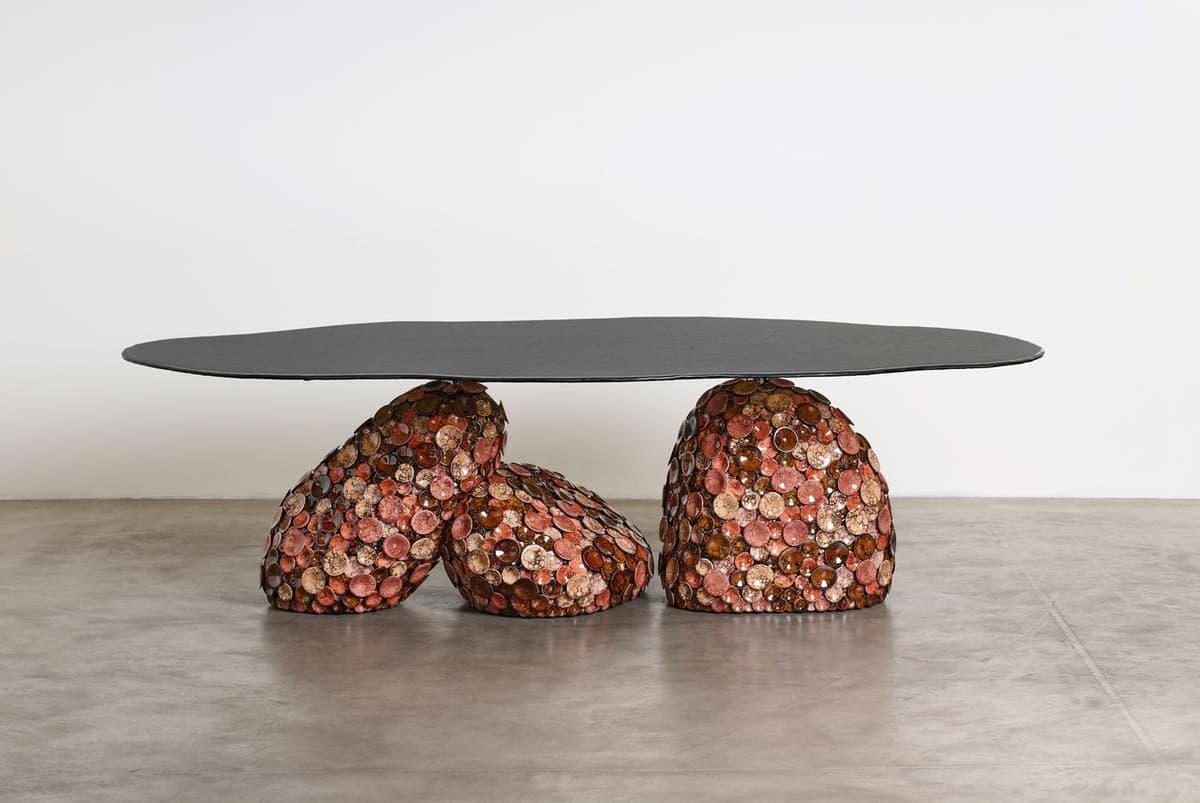
As Salone Raritas Prepares to Make Its Debut, We Reflect on the Momentous Rise of the Collectible Design Fair
Why It Matters
The shift underscores a broader industry transition from mass‑produced furniture fairs to collectible‑design experiences that command higher margins and stronger brand storytelling. It signals new growth avenues for designers, manufacturers, and investors targeting affluent, experience‑driven consumers.
Key Takeaways
- •Salone Raritas launches at Milan with 25 international exhibitors
- •Industrial design fairs like IMM Cologne are canceling; collectible fairs gaining momentum
- •Curator Annalisa Rosso frames collectible design as identity expression
- •Exhibitors see Raritas as platform to amplify niche, immersive experiences
- •Salone del Mobile sees collectible design as mainstream, complementing industrial pieces
Pulse Analysis
The debut of Salone Raritas at the world’s premier design expo highlights a seismic shift in how the industry curates and monetizes creativity. While traditional industrial fairs such as IMM Cologne have shuttered and the Stockholm Furniture Fair is moving to a biennial cadence, collectible‑design showcases are flourishing. By dedicating three pavilions to 25 curated exhibitors, Salone del Mobile is betting that scarcity‑driven pieces can generate higher price points and deeper audience engagement than volume‑based production. This pivot reflects a broader consumer appetite for objects that convey personal narrative rather than pure function.
For brands, the Raritas platform offers a rare convergence of institutional legitimacy and cultural cachet. Curator Annalisa Rosso, an anthropologist, frames collectible design as a vehicle for identity, allowing designers like Nilufar’s Nina Yashar to position limited‑edition furniture alongside historic artifacts. The fair’s Instagram‑friendly layout and celebrity footfall amplify reach, turning each exhibit into a content engine that fuels social media buzz and drives sales through aspirational storytelling. Exhibitors report that the immersive environment—talks, historic house tours, curated food experiences—creates a richer brand experience that resonates with a younger, more diverse audience.
Looking ahead, Salone Raritas could redefine the future of design exhibitions. If the collectible model proves profitable, we may see more hybrid events that blend industrial production with one‑off artistry, blurring the line between furniture and fine art. This evolution may push manufacturers to adopt limited‑run strategies, invest in craftsmanship, and leverage data‑driven personalization. Ultimately, the rise of collectible design fairs signals a market where emotional resonance and exclusivity outweigh sheer scale, reshaping supply chains, marketing tactics, and the very definition of what constitutes ‘design’ in the 21st‑century marketplace.
As Salone Raritas prepares to make its debut, we reflect on the momentous rise of the collectible design fair
Comments
Want to join the conversation?
Loading comments...