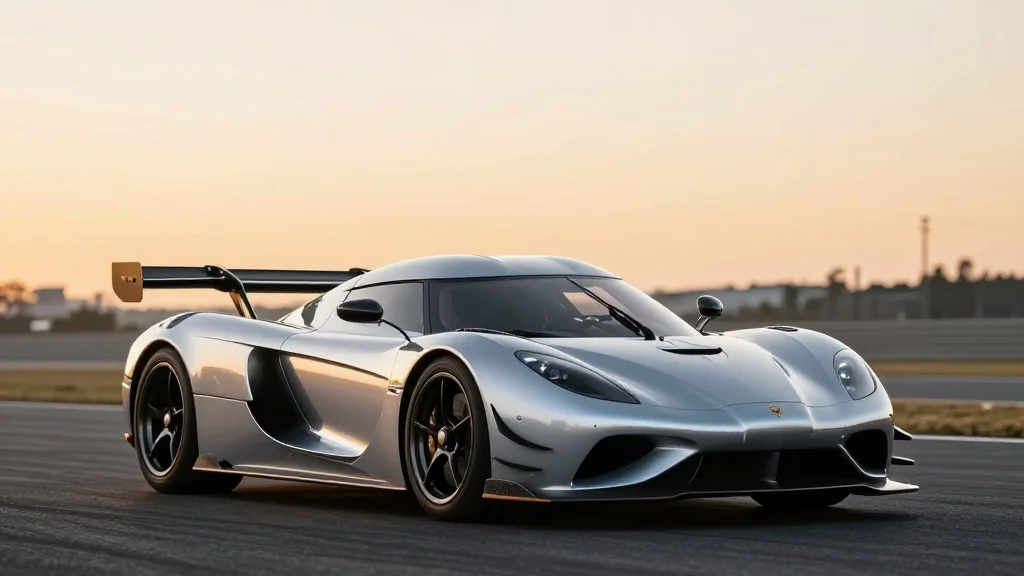
Aston Martin Caught Testing An Insane-Looking Prototype. But What Is It?
Why It Matters
If confirmed, the prototype signals Aston Martin’s intent to push the boundaries of high‑performance engineering and could reshape the ultra‑luxury hypercar market. It also demonstrates the company’s strategy of transferring Formula 1 technology into its flagship offerings.
Key Takeaways
- •Single‑seat prototype merges F1 Halo with Valkyrie aesthetics
- •Likely powered by hybrid 6.5 L V12, ~1,160 hp
- •Push‑rod front suspension mirrors Valkyrie’s race‑car architecture
- •Could become Aston’s next track‑focused hypercar successor
Pulse Analysis
Aston Martin’s recent prototype leak underscores the brand’s aggressive push into the next generation of hypercars. By borrowing the Halo cockpit protection system and push‑rod suspension from its Formula 1 program, the automaker is blurring the line between track‑only machinery and road‑legal performance. The visual cues—wide front splitter, bladed bumper, and a shark‑fin spine—mirror the design language of the Valkyrie, reinforcing a cohesive aesthetic across its extreme portfolio. This approach not only showcases engineering prowess but also builds a narrative of continuity for enthusiasts who follow the marque’s racing heritage.
Technically, the prototype appears to be powered by the same 6.5‑liter Cosworth‑developed hybrid V12 that fuels the Valkyrie, delivering an estimated 1,160 hp and revving to 11,000 rpm. The integration of a hybrid system suggests a focus on both raw power and efficiency, a balance increasingly demanded by high‑performance buyers. Aerodynamically, the car’s massive rear wing and centre‑exit exhaust hint at downforce levels that could rival or exceed the Valkyrie's 4,000 pounds, potentially unlocking lateral g‑forces above 3.3 g. Such specifications would place the prototype at the apex of track performance, while the single‑seat layout signals a purpose‑built, driver‑centric experience.
From a market perspective, the emergence of this prototype could intensify competition among boutique manufacturers like Koenigsegg, Pagani and Rimac, all vying for the ultra‑wealthy clientele seeking exclusive, track‑focused machines. Aston Martin’s ability to leverage Formula 1 technology may give it a differentiation edge, especially as emissions regulations tighten and hybrid powertrains become a necessity even in the hypercar segment. If the vehicle moves toward limited production, it could serve as a halo model, elevating the brand’s overall perception and justifying premium pricing across its broader lineup. The prototype thus represents both a technical showcase and a strategic statement about Aston Martin’s future direction.
Aston Martin Caught Testing An Insane-Looking Prototype. But What Is It?
Comments
Want to join the conversation?
Loading comments...