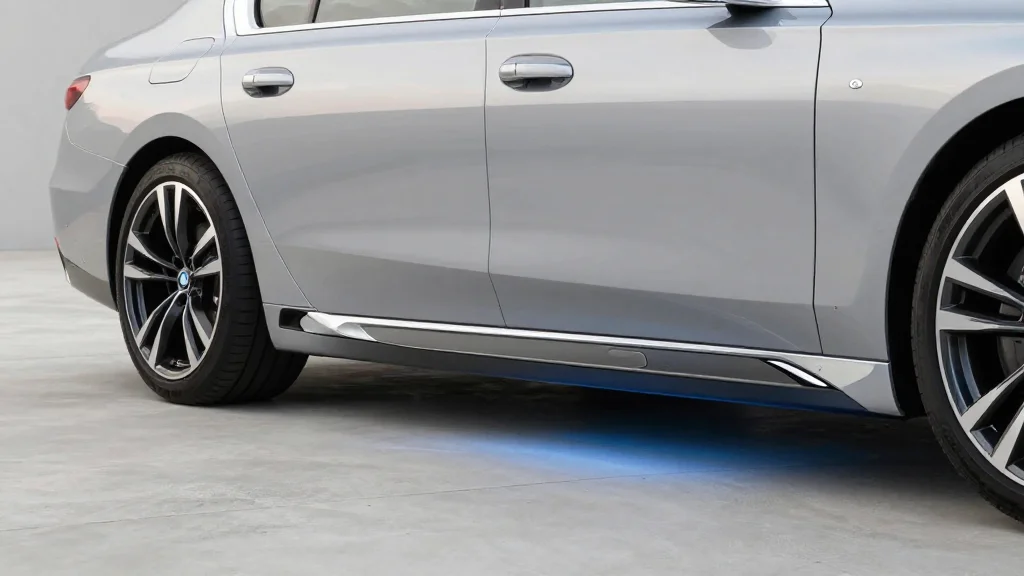
BMW to Unveil 2027 I7 Facelift with Rimac Battery Boost at Auto China

Companies Mentioned
Why It Matters
The i7’s battery upgrade represents a tangible step toward closing the performance gap between luxury EVs and their internal‑combustion predecessors. By adopting Rimac’s high‑density cylindrical cells, BMW can offer longer trips and shorter charging stops, addressing two of the most common consumer concerns about electric mobility. The partnership also showcases a European alternative to the Asian‑dominated battery supply chain, potentially reshaping sourcing strategies for other premium brands. For the luxury market, the enhanced i7 could reinforce BMW’s image as a technology leader, attracting affluent buyers who prioritize both performance and sustainability. The move may also pressure rivals to accelerate their own battery collaborations, intensifying competition in a segment that is rapidly expanding as wealthier consumers shift toward electrified vehicles.
Key Takeaways
- •BMW will reveal the 2027 i7 facelift at Auto China on April 22, 2026.
- •New battery uses Rimac’s Gen6 cylindrical cells, offering ~20% higher energy density.
- •Projected WLTP range exceeds the current 624 km figure; charging power rises above 195 kW.
- •Battery cells assembled in Croatia, then shipped to BMW’s Dingolfing plant.
- •Facelift includes larger kidney grilles and a pillar‑to‑pillar Panoramic Vision display.
Pulse Analysis
BMW’s collaboration with Rimac reflects a strategic pivot toward modular battery sourcing, a model that could become standard among luxury manufacturers seeking rapid innovation cycles. Historically, premium brands have relied on in‑house battery development, a costly and time‑intensive approach. By tapping Rimac’s specialized expertise, BMW accelerates its EV roadmap while mitigating R&D risk. This mirrors a broader industry shift where automakers partner with niche technology firms to stay ahead of performance benchmarks.
The i7’s anticipated range boost and faster charging address the two primary friction points for luxury EV buyers: range anxiety and inconvenience. If the real‑world figures match the projected gains, BMW may set a new performance baseline that forces competitors like Mercedes‑EQ and Lucid to either secure similar battery partnerships or invest heavily in their own cell programs. The European angle also adds geopolitical nuance, as manufacturers diversify away from Chinese and Korean suppliers amid supply‑chain volatility.
Looking ahead, the success of the i7’s battery rollout will hinge on production scalability and cost management. Rimac’s limited‑run facilities must meet BMW’s volume demands without inflating the i7’s price tag, a delicate balance that will determine whether the technology can be extended to other models in the BMW lineup. The upcoming Auto China reveal will be a litmus test for market reception, especially in China’s affluent consumer segment, where performance and prestige drive purchasing decisions.
BMW to Unveil 2027 i7 Facelift with Rimac Battery Boost at Auto China
Comments
Want to join the conversation?
Loading comments...