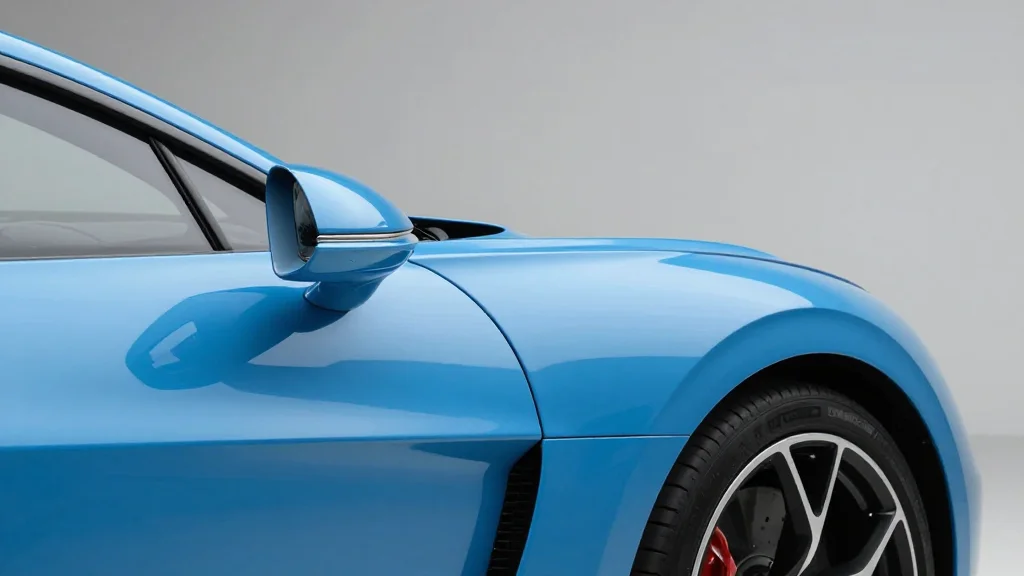
Bugatti Finishes Its Nature‑inspired W16 Mistral ‘Fly Bug’ Bespoke Commission

Why It Matters
The ‘Fly Bug’ illustrates how luxury automotive brands are redefining personalization, moving from simple color swaps to fully integrated artistic narratives. By mastering complex paint chemistries and interior material engineering, Bugatti demonstrates that ultra‑high‑net‑worth clients now expect a seamless blend of art, technology and heritage. This raises the bar for competitors, prompting a wave of investment in bespoke capabilities that could reshape the economics of limited‑run hypercars. Moreover, the project underscores the strategic importance of the Sur Mesure programme as a revenue engine beyond standard production models. As wealth concentration grows, the demand for one‑off, story‑driven vehicles is likely to increase, making such bespoke commissions a critical differentiator for brands seeking to capture the top tier of the luxury market.
Key Takeaways
- •Bugatti completes the final W16 Mistral ‘Fly Bug’, concluding a four‑car nature‑inspired bespoke series.
- •New ‘Dragonfly Blue’ paint shifts between deep blue and turquoise, achieved through unprecedented coating precision.
- •Ellipse graphic pattern spans exterior, interior door panels and armrests, marking the first full‑car visual integration for Bugatti.
- •First-time integration of the Bugatti Macaron emblem into the flowing pattern required micrometre‑level engineering.
- •Project showcases the expanding scope of Bugatti’s Sur Mesure programme and sets a new benchmark for hyper‑luxury customization.
Pulse Analysis
Bugatti’s ‘Fly Bug’ is more than a spectacular one‑off; it is a strategic signal that the hyper‑luxury segment is entering an era where storytelling, material science and brand heritage converge in a single product. Historically, bespoke commissions were limited to paint choices or minor interior trims. By engineering a chromatic paint system, a multi‑layered leather‑Alcantara composite and a seamless graphic that incorporates the iconic Macaron, Bugatti has effectively created a mobile art piece that commands a premium beyond traditional performance metrics.
The move also reflects a broader shift among ultra‑wealthy consumers who view automobiles as extensions of personal identity rather than mere transportation. As wealth becomes increasingly concentrated, manufacturers that can deliver a narrative‑driven, technically flawless experience will capture disproportionate share of the high‑end market. Bugatti’s ability to marshal its Berlin Design Studio, engineering teams and heritage branding into a cohesive whole demonstrates an internal capability that rivals can only emulate through significant investment.
Looking forward, the ‘Fly Bug’ may act as a prototype for a new class of hyper‑custom vehicles that blend sustainability—through advanced, low‑VOC coatings—and artistic expression. If Bugatti leverages this expertise into limited‑edition runs that retain bespoke DNA, it could unlock a scalable revenue stream while preserving exclusivity. Competitors will need to answer the question: can they match Bugatti’s integration of art, technology and heritage at a price point that satisfies the most discerning collectors? The answer will shape the next decade of luxury automotive innovation.
Bugatti finishes its nature‑inspired W16 Mistral ‘Fly Bug’ bespoke commission
Comments
Want to join the conversation?
Loading comments...