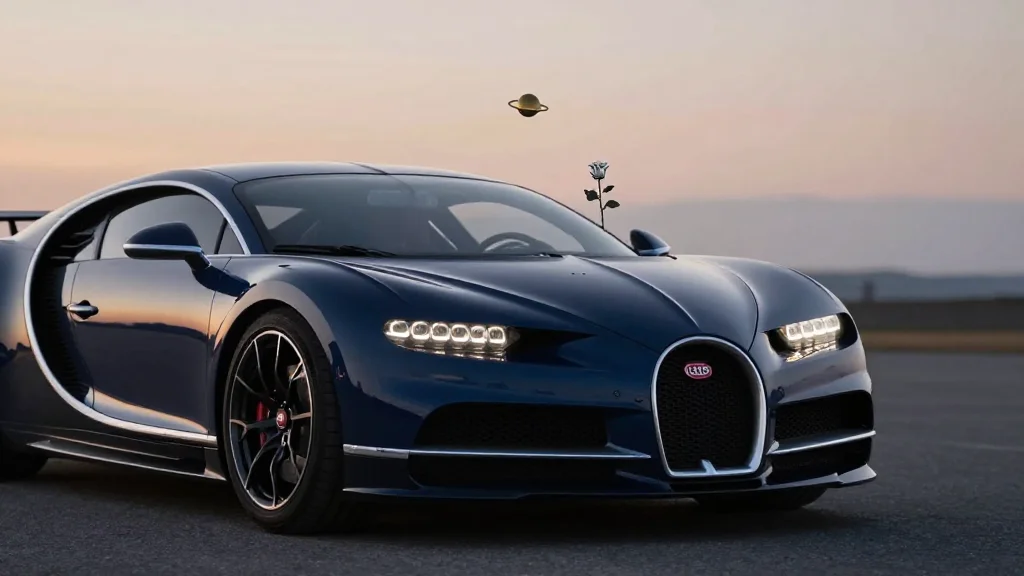
Bugatti Unveils 1,600‑HP ‘Le Retour Du Jeune Prince’ Hypercar Inspired by The Little Prince

Companies Mentioned

Rolls‑Royce
Ferrari
RACE
Why It Matters
The hypercar illustrates how luxury brands are leveraging narrative and craftsmanship to create ultra‑exclusive experiences that go beyond performance metrics. By embedding a beloved literary story into every surface, Bugatti is redefining what a hypercar can represent—shifting from pure speed to a collectible work of art that tells a personal story. This approach could reshape client expectations across the luxury automotive sector, prompting rivals to explore similarly immersive, story‑driven commissions. Moreover, the project marks the final chapter for Bugatti’s iconic W16 engine, a powerplant that has been synonymous with the brand’s identity for over two decades. As the industry pivots toward electrification, the car serves both as a tribute to a bygone era and a test case for how heritage can be preserved within new, sustainable platforms. The success—or lack thereof—of such narrative‑centric projects will influence how other luxury manufacturers balance heritage, performance, and emotional storytelling in the coming years.
Key Takeaways
- •Bugatti unveiled a one‑off 1,600‑hp hypercar called “Le Retour du Jeune Prince.”
- •The car is built on the final W16 engine, marking the end of Bugatti’s V16 era.
- •Design integrates copper‑bronze paint, hand‑painted stars, and a hidden rear‑wing scene from The Little Prince.
- •Commissioned by a longtime Bugatti collector who is also a writer, with design led by Jascha Straub and Sabine Consolini.
- •The project highlights a shift toward narrative‑driven bespoke luxury in the hypercar market.
Pulse Analysis
Bugatti’s decision to fuse a classic children’s tale with its most powerful engine is a strategic move that transcends conventional product launches. By turning a hypercar into a narrative artifact, the brand taps into a deeper emotional currency that resonates with ultra‑high‑net‑worth individuals who view their possessions as extensions of personal identity. This aligns with a broader luxury trend where storytelling—whether through heritage, art collaborations, or bespoke experiences—has become a key differentiator.
Historically, hypercars have been judged primarily on performance benchmarks: top speed, acceleration, and engineering novelty. “Le Retour du Jeune Prince” flips that script, positioning the vehicle as a museum‑grade piece that will likely appreciate in value as a cultural object. The move could encourage other manufacturers to explore similar collaborations with authors, artists, or even film franchises, expanding the hypercar market from a niche of speed enthusiasts to a broader collector base that values rarity and narrative depth.
Looking ahead, Bugatti faces the challenge of translating this narrative‑centric philosophy into its upcoming electric platform. The brand must preserve the emotional gravitas that made the W16 era iconic while delivering a sustainable powertrain that meets future regulatory and consumer expectations. If Bugatti can successfully embed storytelling into its electric future, it may set a template for how legacy performance houses evolve without losing the soul that made them legends.
Bugatti Unveils 1,600‑HP ‘Le Retour du Jeune Prince’ Hypercar Inspired by The Little Prince
Comments
Want to join the conversation?
Loading comments...