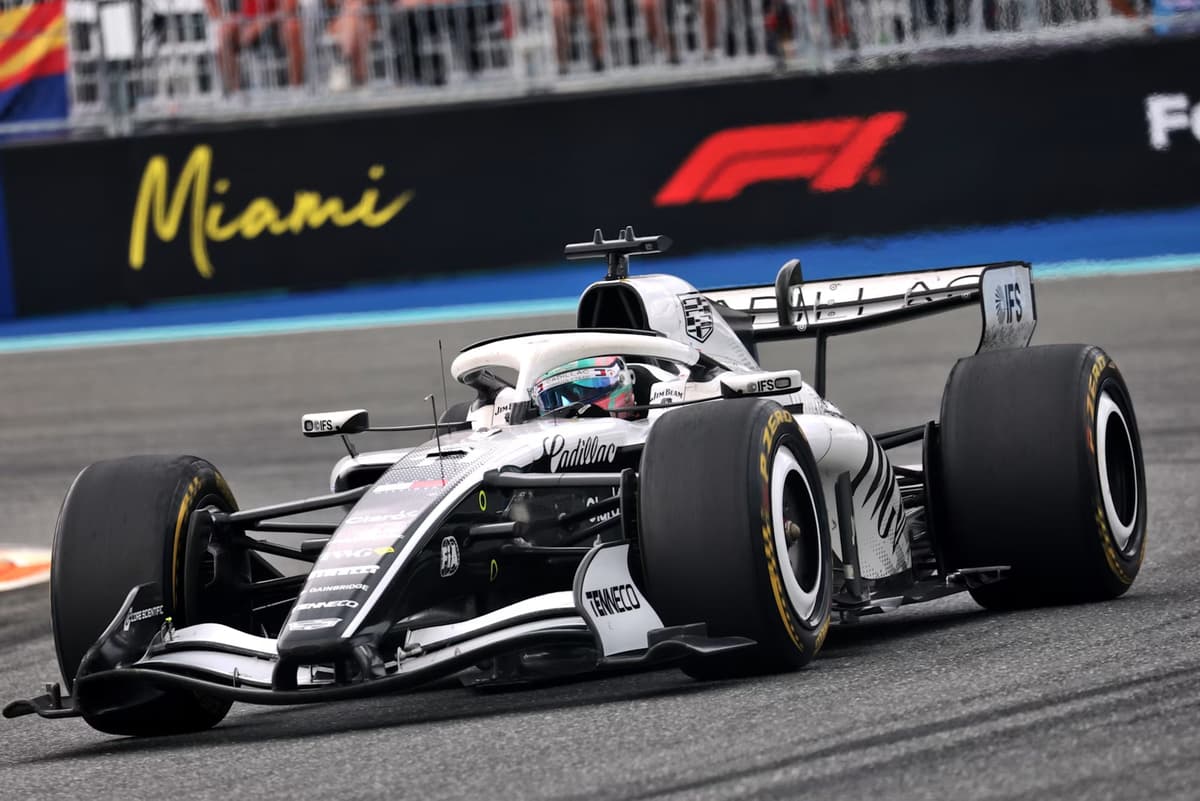
Cadillac Already Has a Running Formula 1 Engine of Its Own Hidden in North Carolina
Companies Mentioned
Why It Matters
The move positions the United States as a home for F1 engine development, giving GM strategic control over future power‑train technology and deepening its motorsport footprint.
Key Takeaways
- •Cadillac ran its first turbocharged V‑6 F1 engine in Charlotte
- •GM aims to field a proprietary power unit by 2029
- •Ferrari supplies powertrains for Cadillac through 2028
- •Charlotte center adds additive manufacturing and NASCAR talent
- •Possible V‑8 rule change pushes dual‑track engine development
Pulse Analysis
General Motors’ entry into Formula 1 marks a rare convergence of American automotive engineering and the sport’s high‑tech hybrid era. By partnering with Ferrari for the 2026‑2028 seasons, Cadillac secures immediate track presence while its in‑house team refines a bespoke turbocharged V‑6. This dual‑track strategy mirrors the approach of legacy manufacturers that balance customer‑supplied power units with long‑term proprietary development, allowing GM to gather data, validate components, and protect intellectual property before the 2029 launch.
The Charlotte technical center is a strategic asset that leverages the region’s deep NASCAR heritage. Equipped with state‑of‑the‑art additive‑manufacturing, rapid prototyping, and a talent pool of aerodynamicists, chassis engineers, and control‑system specialists, the facility accelerates design cycles that would otherwise span years. By cross‑pollinating expertise from stock‑car racing, GM can iterate aerodynamic packages, thermal management solutions, and hybrid integration faster than competitors confined to traditional European hubs. This localized ecosystem also reduces supply‑chain latency and fosters a distinctly American engineering culture within the global F1 arena.
Looking ahead, the potential shift to V‑8 engines in 2030‑31 adds a layer of complexity. GM’s commitment to dual‑track development ensures it can pivot without sacrificing the 2029 power unit timeline. If the FIA adopts V‑8s, Cadillac could transition its existing V‑6 architecture into a hybrid V‑8 platform, leveraging the same additive‑manufacturing processes and talent base. This flexibility not only safeguards GM’s investment but also positions the brand as a versatile power‑train supplier, potentially opening doors to other manufacturers seeking American‑engineered solutions in a sport increasingly focused on sustainability and performance.
Cadillac Already Has a Running Formula 1 Engine of Its Own Hidden in North Carolina
Comments
Want to join the conversation?
Loading comments...