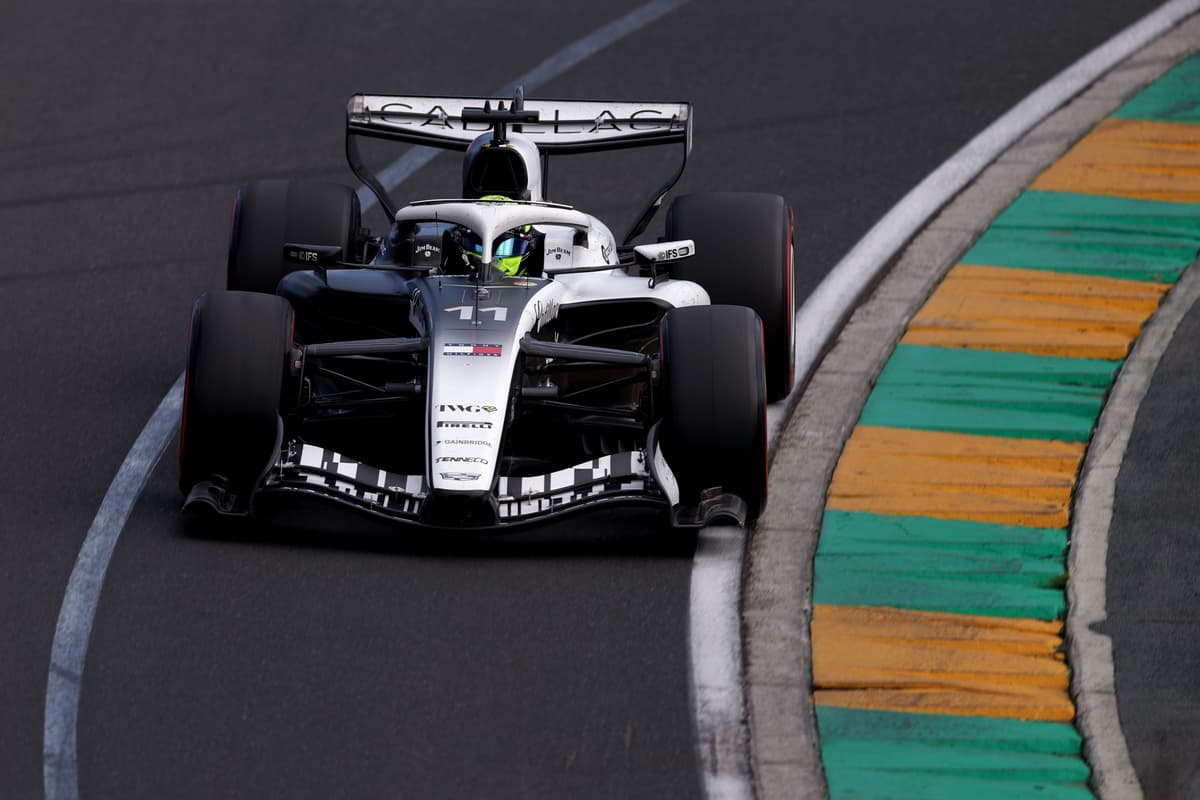
Cadillac F1 Proved It Deserves a Place on the Grid. Now, It Has to Find Performance
•March 10, 2026
0
Why It Matters
The debut proves Cadillac can field a functional F1 operation, a prerequisite for building brand credibility and attracting sponsors in a capital‑intensive sport.
Key Takeaways
- •First Cadillac car finished race, marking debut milestone
- •Team completed first live pit stop, no tire change
- •Bottas retired after steering wheel failure, fuel pressure issue
- •Perez finished P16, three laps behind winner
- •Gap to fastest Ferrari‑powered Haas was 1.9 seconds in Q1
Pulse Analysis
Cadillac’s entry into Formula 1 at the Australian Grand Prix was as much a test of logistics as of speed. Running two cars for the first time forced the team to manage a far more complex data flow and pit‑lane choreography than during single‑car testing. The successful execution of a live pit stop – albeit without a tyre change – demonstrated that the crew could translate simulation‑derived procedures into real‑world actions, a critical step for any newcomer aiming to compete in a sport where seconds count.
Behind the scenes, Cadillac leaned heavily on virtual race rehearsals and the experience of veteran consultant Pat Symonds. By recreating an entire Grand Prix weekend in a digital environment, engineers could pre‑empt many of the mechanical and strategic challenges that later emerged on track. The team’s ability to diagnose and react to Bottas’s steering‑wheel failure, as well as manage Perez’s tyre strategy, underscored the value of that preparation. Such a data‑centric approach aligns with the broader industry shift toward simulation‑driven development, reducing costly on‑track trial and error.
Performance-wise, the Cadillac cars lagged significantly, with a 1.9‑second gap to the fastest Ferrari‑powered Haas in qualifying and a finish three laps down. While the raw pace deficit highlights the steep development curve ahead, it also provides a clear benchmark for the engineering team. With a solid operational base and a clear roadmap for aerodynamic and power‑unit upgrades, Cadillac can now focus on closing the gap. Success in upcoming races will not only improve on‑track results but also bolster the brand’s credibility, attracting sponsors and reinforcing its commitment to high‑technology motorsport.
Cadillac F1 Proved It Deserves a Place on the Grid. Now, It Has to Find Performance
0
Comments
Want to join the conversation?
Loading comments...