Can Gucci Turn Attention Into Sales?
Why It Matters
Turning the hype around Gucci into measurable sales could restore Kering’s margins and provide a playbook for luxury houses seeking relevance in a crowded market.
Key Takeaways
- •Kering targets double profitability through Gucci’s creative overhaul
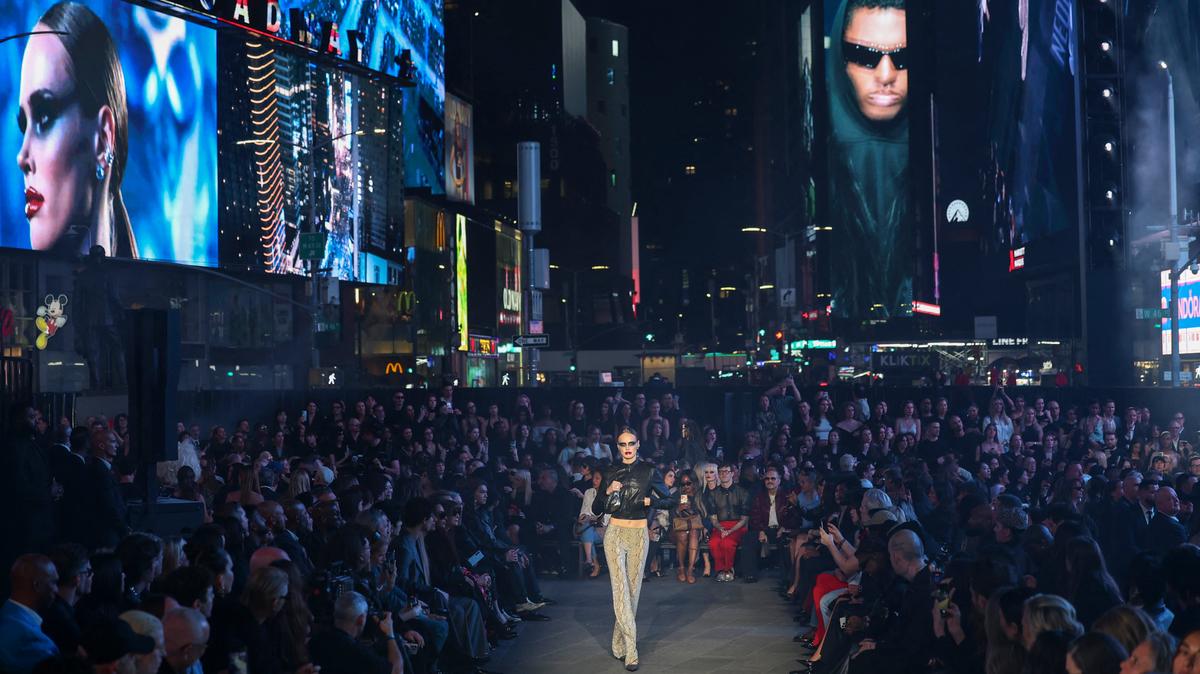
- •Demna’s Times Square show sparked heightened consumer attention
- •Early shareholder feedback calls the revamp “very encouraging”
- •Reorganisation aligns marketing, product, and digital functions
- •Success could reshape luxury’s up‑market growth strategy
Pulse Analysis
Kering’s latest strategic push comes at a critical juncture for the luxury conglomerate. After several years of flat growth, the French group announced a restructuring that places Gucci, its flagship label, at the heart of a profit‑doubling ambition. The move mirrors a wider industry shift where heritage brands are re‑engineering their operating models—centralising digital, streamlining supply chains, and tightening marketing—to capture higher margins. By consolidating functions under Luca de Meo’s leadership, Kering hopes to accelerate decision‑making and better align product development with evolving consumer expectations.
The creative overhaul of Gucci, led by Demna Gvasalia, leans heavily on cultural relevance and spectacle. The recent Times Square runway, a rare fashion‑in‑the‑public‑space event, generated millions of social impressions and positioned the brand as a cultural provocateur rather than a traditional luxury house. Demna’s aesthetic—mixing streetwear sensibilities with high‑fashion craftsmanship—appeals to younger, affluent shoppers who value authenticity and narrative. Early sales data, though not yet disclosed, have been described by de Meo as “very encouraging,” indicating that the buzz may be translating into purchase intent, a crucial metric for a label that has struggled with inventory excess and waning desirability.
If Gucci can convert attention into sustained revenue, the ripple effect could reshape luxury’s growth playbook. Analysts will watch whether Kering’s profitability targets materialise, as success would validate a model that blends heritage with disruptive branding and agile organisational structures. Competitors may follow suit, investing in high‑visibility experiences and tighter cross‑functional alignment to capture scarce consumer dollars. Ultimately, Gucci’s performance will signal whether the luxury sector can thrive by marrying scarcity with cultural immersion, a formula that could define the next decade of premium retail.
Can Gucci Turn Attention Into Sales?
Comments
Want to join the conversation?
Loading comments...