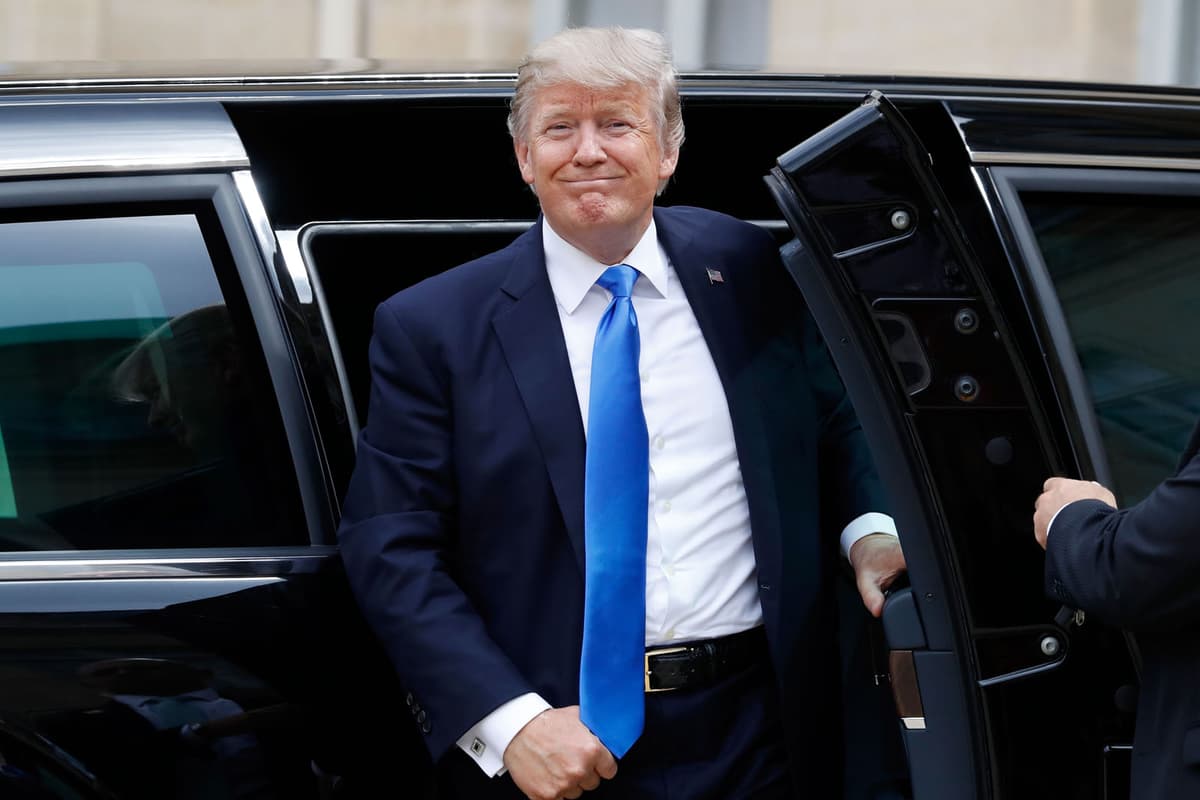
Can We Rely on King Charles' Charm, or Should We Build Trump a Limo?
Why It Matters
Reducing the automotive tariff could unlock hundreds of millions of dollars for Britain’s luxury car sector and strengthen UK‑US trade ties amid geopolitical friction. The proposal highlights how symbolic gestures can intersect with hard‑nosed economic negotiations.
Key Takeaways
- •First royal US visit since 2007
- •UK aims to halve 10% auto tariff
- •Potential £250 million ($315 million) boost for British carmakers
- •Proposed bespoke Trump limo from Bentley, Rolls‑Royce
- •Risks: political backlash and brand misattribution
Pulse Analysis
The upcoming state visit by King Charles marks a rare diplomatic moment; it is the first time a reigning British monarch has set foot on American soil since 2007. With President Trump publicly criticizing the United Kingdom over its stance on Iran, the trip carries weight beyond ceremonial duties. Analysts see the monarch’s soft power as a potential counterbalance, especially in the context of the 10% tariff that currently applies to British‑made automobiles entering the U.S. market, a levy that threatens to erode the competitive edge of UK luxury brands.
British automakers are exploring creative ways to protect their export pipeline, and one tongue‑in‑cheek suggestion is to present Trump with a custom‑built limousine. By pooling the engineering prowess of Bentley, Rolls‑Royce, Aston Martin and Range Rover, the UK could craft a vehicle that showcases British craftsmanship while serving as a tangible incentive for Washington to lower the tariff to 5%. Financial models estimate that such a reduction would translate into roughly £250 million (about $315 million) of additional revenue for the sector, a figure that could offset the cost of developing a one‑off model and stimulate broader investment in the industry.
However, the strategy is not without pitfalls. A high‑profile gift risks political backlash, especially given Trump’s mixed record on environmental issues and the public’s sensitivity to V12‑powered, fuel‑intensive vehicles. Moreover, there is a chance the president might attribute the car to an American brand, diluting the intended diplomatic signal. Ultimately, the episode underscores how cultural symbols—like a bespoke luxury car—can become bargaining chips in trade negotiations, but they must be weighed against reputational risks and the broader goal of sustaining a resilient UK‑US economic partnership.
Can we rely on King Charles' charm, or should we build Trump a limo?
Comments
Want to join the conversation?
Loading comments...