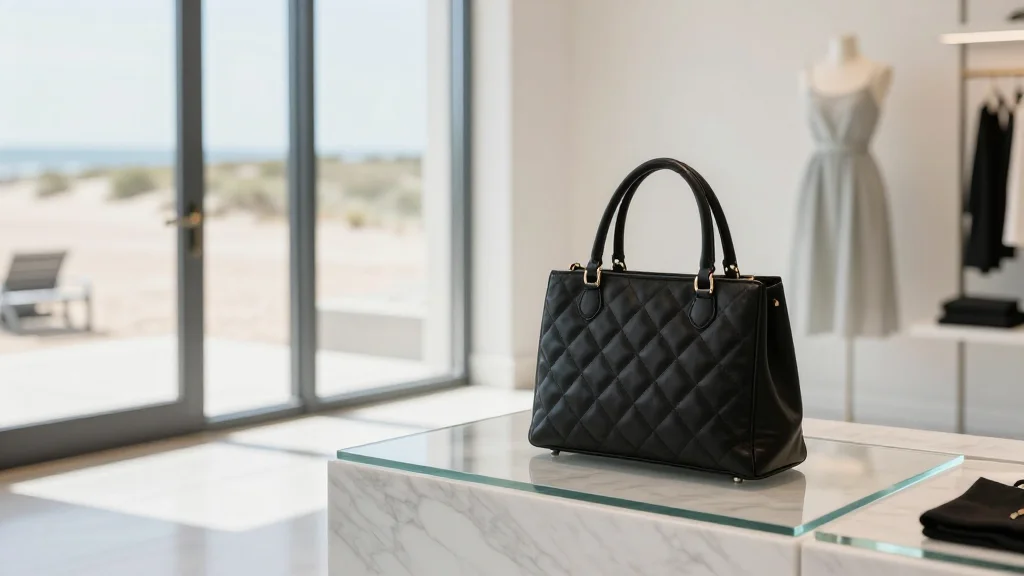
Chanel Opens Two‑Floor East Hampton Boutique, Showcasing New Coco Beach Collection

Companies Mentioned

Why It Matters
Chanel’s East Hampton boutique signals a shift in luxury retail toward high‑value, location‑specific experiences that cater to affluent consumers outside major metropolitan hubs. By embedding a seasonal capsule within a resort‑town setting, Chanel not only expands its geographic reach but also experiments with product‑centric storytelling that resonates with vacation‑mode shoppers. The move could reshape how luxury houses allocate resources, prompting more brands to pursue boutique concepts in elite leisure destinations where spending power concentrates during limited windows. The opening also intensifies competition among luxury retailers vying for the Hamptons’ limited retail real estate. As Chanel, Louis Vuitton, and Rolex each stake claim on Newton Lane, the street is poised to become a micro‑cosm of the broader luxury market, where brand differentiation hinges on experiential design, exclusive collections, and the ability to attract high‑spending tourists. The outcome will likely influence future decisions about where and how luxury brands invest in brick‑and‑mortar locations across the United States.
Key Takeaways
- •Chanel opened a two‑floor boutique on Newton Lane in East Hampton on May 22.
- •The ground floor is dedicated to the new Coco Beach summer capsule, the first designed by Matthieu Blazy.
- •The boutique joins other luxury tenants like Louis Vuitton, Rolex, and Brunello Cucinelli on the Hamptons’ premier shopping street.
- •Chanel’s move reflects a broader strategy to target affluent seasonal markets and test product concepts outside major cities.
- •Success could lead to similar resort‑town openings in Palm Beach, Aspen, and other high‑spending locales.
Pulse Analysis
Chanel’s East Hampton launch is more than a retail addition; it’s a strategic experiment in hyper‑localized luxury. Historically, the brand has relied on flagship stores in global capitals to anchor its image. By planting a boutique in a seasonal enclave, Chanel is testing a model where scarcity and context drive desirability. The Coco Beach capsule, with its beach‑themed accessories, is a perfect fit for the locale, turning the store into a destination rather than a mere point of sale.
From a competitive standpoint, the Hamptons have become a litmus test for luxury brands seeking to capture high‑net‑worth consumers during their summer migration. The concentration of wealth, combined with a cultural cachet that blends art, fashion, and leisure, creates a fertile ground for experiential retail. Chanel’s entry raises the bar for experiential design, forcing rivals to elevate their own store concepts or risk being perceived as less attuned to the local vibe.
Looking forward, the boutique’s performance metrics will likely inform Chanel’s broader U.S. rollout strategy. If foot traffic and sales meet expectations, we can anticipate a cascade of similar satellite stores in other resort markets, each paired with a capsule collection that mirrors the destination’s character. This could herald a new era where luxury houses operate a network of niche, experience‑driven boutiques that complement their flagship stores, diversifying revenue streams and deepening brand engagement with a mobile, affluent clientele.
Chanel Opens Two‑Floor East Hampton Boutique, Showcasing New Coco Beach Collection
Comments
Want to join the conversation?
Loading comments...