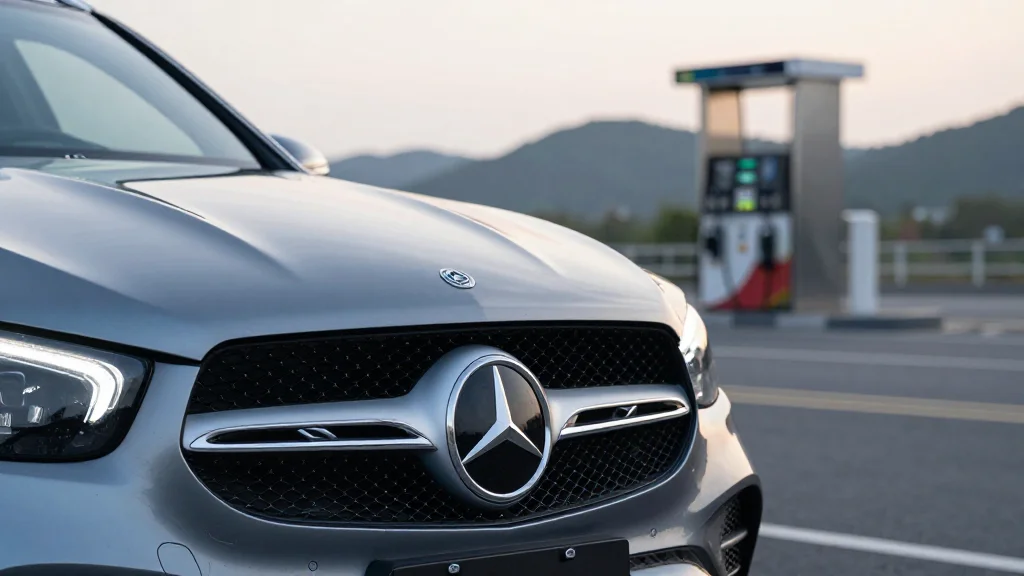
Dealers Convinced Mercedes To Put Gas Engines In The Baby G-Class
Why It Matters
Adding an ICE variant broadens the Little G's market appeal, especially in regions where charging networks lag, and positions Mercedes to capture additional revenue from a high‑margin, entry‑level luxury SUV segment.
Key Takeaways
- •US dealers pushed Mercedes to add ICE to Little G.
- •Mixed global EV adoption drives demand for gasoline option.
- •Little G will retain ladder‑frame off‑road architecture.
- •Launch slated for next year, EV may precede ICE.
- •Smaller G‑Class could become a high‑margin revenue stream.
Pulse Analysis
Mercedes’ decision to resurrect a gasoline powertrain for the upcoming "Little G" underscores how dealer feedback can reshape product strategy in the luxury SUV market. The G‑Class, an iconic off‑roader since the 1970s, has enjoyed a resurgence with record sales, prompting the brand to explore a more compact, affordable sibling. While the industry pushes toward electrification, the German automaker’s U.S. dealer network argued that a pure‑EV offering would limit sales in markets still grappling with sparse charging infrastructure. By accommodating both powertrains, Mercedes hedges against regional adoption disparities and mitigates range‑anxiety concerns that could deter potential buyers.
The broader automotive landscape reveals a patchwork of EV readiness: Europe and China accelerate charging rollouts, whereas many U.S. regions lag behind, especially outside major metros. For a vehicle positioned as a rugged, lifestyle‑oriented SUV, the ability to refuel at any station remains a compelling selling point. Mercedes’ approach mirrors a pragmatic hybrid strategy, delivering an electric variant for early adopters while preserving a conventional engine for markets where infrastructure investment remains uncertain. This dual‑track plan also aligns with the brand’s heritage of off‑road capability, ensuring the Little G retains its ladder‑frame chassis and rear‑mounted spare wheel—features prized by enthusiasts.
Financially, the Little G could become a lucrative addition to Mercedes’ portfolio. A lower price point combined with the brand’s premium cachet promises higher volume sales, while the ICE version is likely to carry a modest price premium over the EV due to existing powertrain economies. Analysts anticipate that the model will generate strong margins, echoing the profitability of the full‑size G‑Class. Moreover, the flexibility to launch the EV first and introduce the gasoline variant later offers a staggered revenue stream, keeping the model relevant across diverse regulatory environments and consumer preferences. As the luxury SUV segment intensifies, Mercedes’ adaptive strategy may set a benchmark for balancing electrification goals with market realities.
Dealers Convinced Mercedes To Put Gas Engines In The Baby G-Class
Comments
Want to join the conversation?
Loading comments...