
Companies Mentioned
Why It Matters
The sale illustrates a growing convergence between luxury horology and music‑industry memorabilia, where provenance can eclipse material value. As collectors increasingly seek items that tell a story, brands may explore limited‑edition collaborations that embed cultural symbols directly into their products. For the luxury watch sector, the $500,000 listing signals that rarity combined with pop‑culture relevance can command premiums far beyond traditional market benchmarks. This could encourage manufacturers to create more artist‑centric pieces or to re‑issue historic models with contemporary cultural twists, reshaping how scarcity is engineered and marketed.
Key Takeaways
- •Wind Vintage lists the Drake‑worn Rolex GMT‑Master II for $500,000
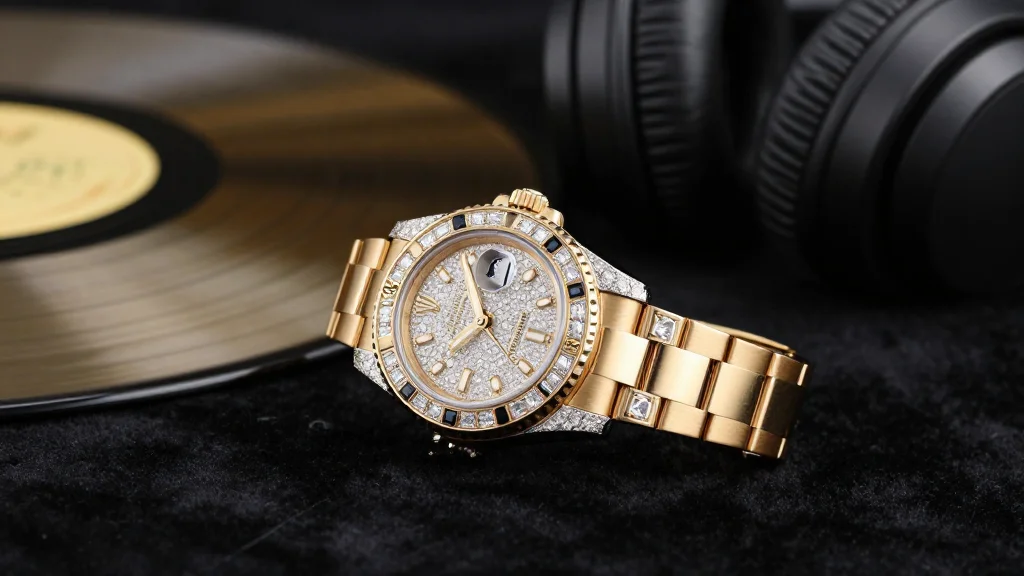
- •Watch features OVO owl engraving, 36 baguette diamonds, 12 black sapphires
- •Only a few hundred off‑catalog GMT‑Master II models were produced (2006‑2012)
- •Cultural provenance accounts for roughly $400,000 of the valuation
- •Sale includes gold owl statue, backstage passes, OVO jackets, and Club Paradise tour apparel
Pulse Analysis
The Drake‑themed Rolex sale is more than a headline‑grabbing transaction; it is a case study in how narrative capital is reshaping luxury markets. Historically, high‑end watches derived value from mechanical innovation, brand heritage, and material scarcity. Today, the story attached to a piece—its appearance on an iconic album cover, its cameo in a music video, and its association with a globally recognized artist—adds a layer of intangible worth that can dwarf the intrinsic value of the watch itself. This shift mirrors the broader "experience economy," where consumers are willing to pay a premium for items that grant access to a cultural moment.
From a market perspective, the $500,000 price point could set a precedent for future music‑linked luxury offerings. Brands like Rolex may see an incentive to partner with artists for limited runs that embed signature motifs, while auction houses could curate dedicated sales of celebrity‑owned timepieces, leveraging the same cultural premium. However, the sustainability of such premiums depends on the longevity of the artist’s relevance and the scarcity of the item. If the market becomes saturated with celebrity‑branded watches, the novelty factor—and thus the price premium—could erode.
Looking ahead, the outcome of this sale will likely inform pricing strategies for similar cross‑industry collaborations. Should Drake or another high‑profile collector acquire the piece, it would reinforce the notion that cultural provenance can justify half‑million‑dollar price tags, encouraging more luxury houses to embed pop‑culture narratives into their product pipelines. Conversely, a lack of buyer interest could signal a ceiling to how far cultural hype can push luxury valuations, prompting brands to balance storytelling with traditional markers of craftsmanship.
Drake‑Featured Rolex GMT‑Master II Listed for $500,000
Comments
Want to join the conversation?
Loading comments...