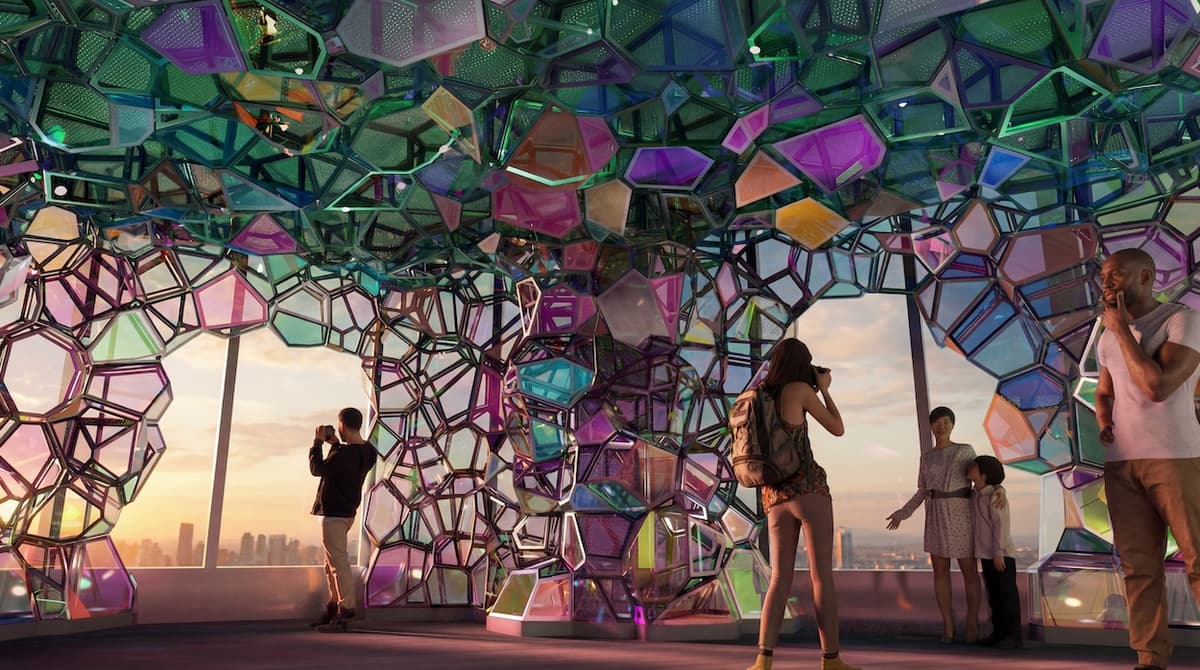
Edge at Hudson Yards Will Introduce Multi-Sensory Installations, and Other News.
Companies Mentioned
Why It Matters
The Edge transformation elevates New York’s tourism appeal by blending culture and commerce, while the museum acquisitions and sustainable design collaborations signal a broader industry shift toward experiential, eco‑conscious experiences.
Key Takeaways
- •Edge adds multi‑sensory art, attracting higher visitor spend.
- •Rockwell painting enriches Chicago museum’s American art narrative.
- •Cork furniture showcases renewable materials in high‑end design.
- •Indian scroll illustrates colonial art trade, broadening Yale’s exhibition scope.
- •AIA award spotlights emerging talent shaping future built environment.
Pulse Analysis
New York’s skyline is becoming a canvas for immersive storytelling as Edge at Hudson Yards invests heavily in multi‑sensory installations. By integrating light, sound, and reflective surfaces, the venue moves beyond passive observation toward an active, revenue‑generating experience that aligns with the city’s push for experiential tourism. Early data from similar attractions suggest longer dwell times and higher per‑guest spend, positioning Edge as a catalyst for the Midtown economy this summer.
Cultural institutions are also leveraging high‑profile acquisitions and sustainable design to deepen audience engagement. The Art Institute of Chicago’s addition of Norman Rockwell’s *The Dugout* enriches its narrative of 20th‑century American life, while Herzog & de Meuron’s cork‑leather furniture line for UniFor showcases how renewable materials can meet luxury expectations. Yale’s debut of a 37‑foot Indian scroll further underscores museums’ role in contextualizing global trade histories, offering visitors a rare glimpse into the artistic hybridity of the East India Company era.
Meanwhile, the AIA’s 2026 Young Architects Award highlights the next generation shaping the built environment. Recognizing architects from firms ranging from Gensler to local collectives signals industry confidence in fresh perspectives on sustainability, technology, and community‑centric design. As these emerging professionals take the helm, their projects are likely to echo the immersive, eco‑aware trends seen at Edge and in museum collaborations, driving a more interactive and responsible architectural landscape.
Edge at Hudson Yards Will Introduce Multi-Sensory Installations, and Other News.
Comments
Want to join the conversation?
Loading comments...