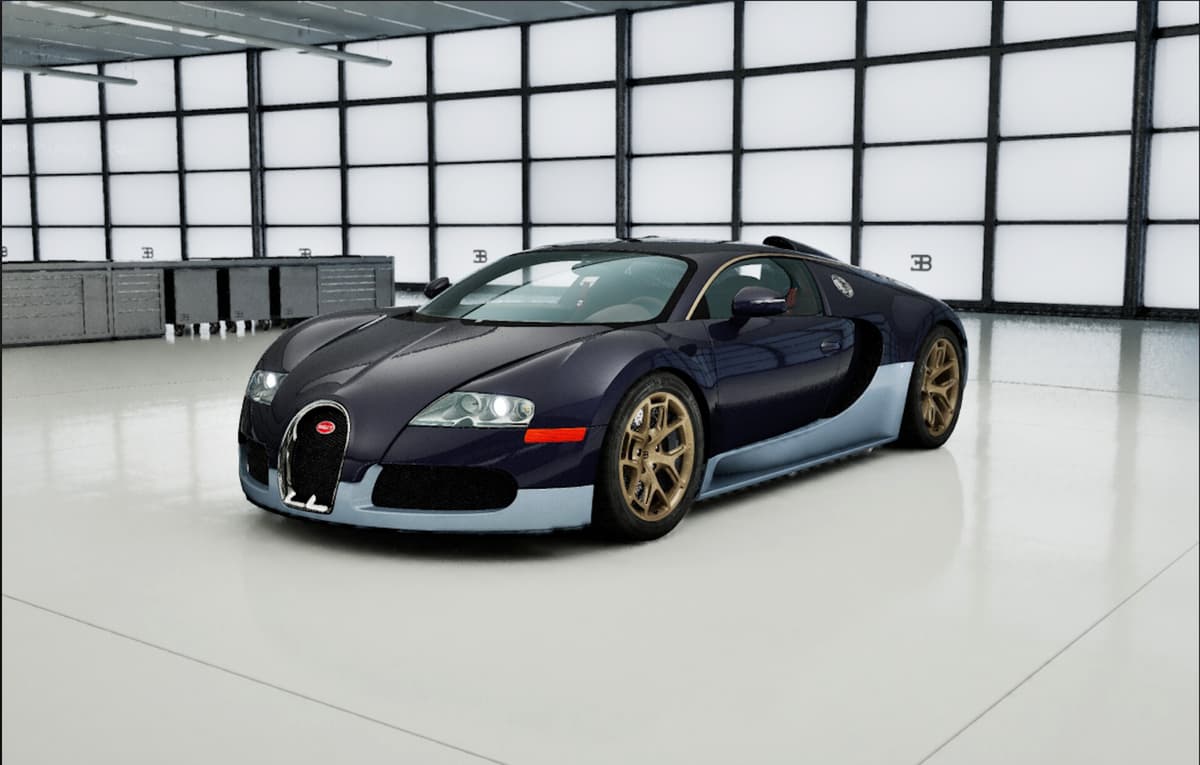
Elana Scherr Designed Her Perfect Bugatti Veyron with New Configurator
Companies Mentioned
Why It Matters
The configurator creates a fresh revenue stream for Bugatti and deepens brand loyalty among ultra‑wealthy owners, who value personalization even on legacy models. It also signals a shift toward digital, post‑sale customization in the hyper‑luxury automotive segment.
Key Takeaways
- •Bugatti launches Veyron configurator for post‑sale color and trim changes
- •Tool offers 18 sections, over 200 customization options for owners
- •Configurator targets ultra‑high‑net‑worth buyers, enhancing resale value
- •Pricing varies; full panel swaps can cost six‑figures
Pulse Analysis
Luxury automakers have long relied on limited production runs to preserve exclusivity, but the aftermarket is emerging as a lucrative growth frontier. Bugatti’s new Veyron configurator exemplifies this trend, allowing owners of a two‑decade‑old hypercar to refresh its aesthetic and interior without purchasing a brand‑new model. By digitizing the bespoke process—complete with a concierge sales manager and design director oversight—the brand turns a traditionally labor‑intensive service into a scalable, online experience. This not only extends the vehicle’s lifecycle but also opens a high‑margin revenue channel that taps into the spending power of the 1‑percent.
The configurator’s depth is striking: 18 primary sections covering paint, carbon‑fiber finishes, metal trims, and even the color of the emergency flasher button, plus personalized embossing options. While a simple paint swap may be relatively affordable, more extensive modifications like carbon‑panel replacements can easily climb into six‑figure territory. Such pricing reflects the bespoke nature of the work and the scarcity of original Veyron parts, reinforcing the car’s status as a collectible asset. For owners, the tool offers a way to differentiate a vehicle that only 450 were ever built, potentially boosting resale appeal in a market where uniqueness commands premium prices.
Beyond Bugatti, the move signals a broader shift among low‑volume supercar manufacturers toward digital customization platforms. As affluent consumers increasingly expect instant, online personalization, brands that integrate configurators into their post‑sale services can capture additional spend and strengthen owner relationships. This approach may also influence future model launches, where manufacturers design vehicles with modular components that can be upgraded over decades, blurring the line between new production and aftermarket enhancement. In an industry where every dollar of profit matters, the Veyron configurator could become a blueprint for monetizing heritage models across the luxury automotive landscape.
Elana Scherr Designed Her Perfect Bugatti Veyron with New Configurator
Comments
Want to join the conversation?
Loading comments...