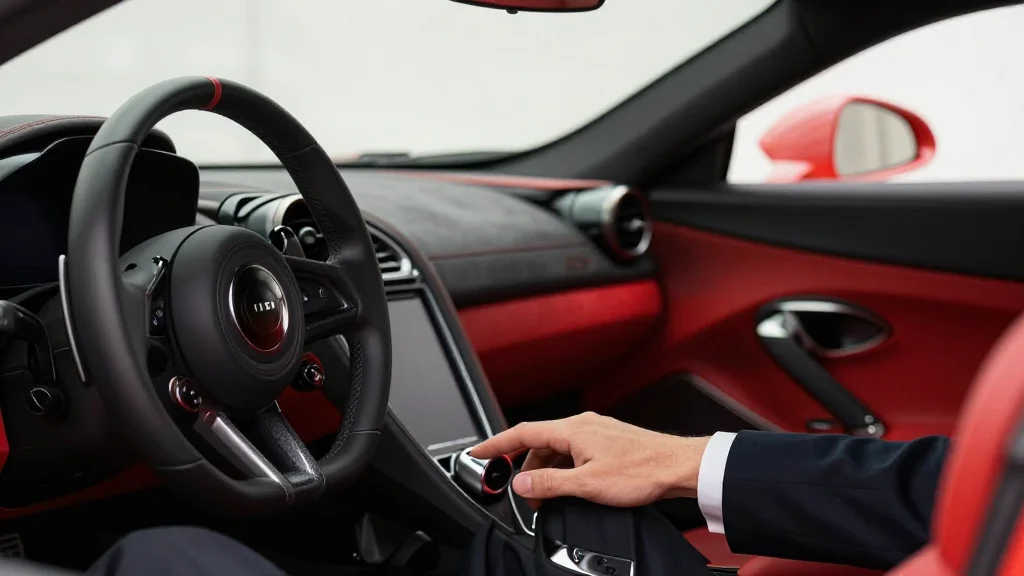
Ferrari Rejects Self-Driving Cars: 'We Want People To Have Fun, Not The Computer Chips'
Companies Mentioned
Why It Matters
By refusing full autonomy, Ferrari preserves its premium, experience‑driven value proposition, differentiating itself from mass‑market EV makers. The decision also signals to affluent buyers that the brand will continue to prioritize performance and driver engagement over technology trends.
Key Takeaways
- •Ferrari will launch 20 new models from 2026‑2030.
- •CEO Benedetto Vigna rules out Level 3+ autonomous Ferrari.
- •Human driver will always control future Ferraris, steering wheel mandatory.
- •Advanced driver‑assist features will improve, but full self‑drive excluded.
- •Manual gearbox may return, reinforcing Ferrari’s analog driving ethos.
Pulse Analysis
While the automotive industry races toward Level 4 and Level 5 autonomy, the luxury performance segment remains an outlier. Brands such as Tesla and Mercedes‑Benz are investing heavily in self‑driving software, yet Ferrari’s heritage is built on the visceral connection between driver and machine. In a recent interview with *Drive*, CEO Benedetto Vigna emphasized that a Ferrari without a steering wheel would betray the marque’s DNA, which has long celebrated high‑rev engines, precise handling, and the emotional reward of manual control. This philosophical divide underscores the tension between technology adoption and brand authenticity.
Ferrari’s product roadmap reflects this stance, with a commitment to launch twenty new models between 2026 and 2030. Each vehicle will incorporate advanced driver‑assist systems—such as adaptive cruise control and lane‑keeping—while deliberately stopping short of Level 3 autonomy. Industry analysts note that the incremental tech upgrades can enhance safety without diluting the driving experience that affluent customers seek. Moreover, rumors of a revived manual gearbox suggest Ferrari is doubling down on analog engagement, a move that could attract purists and reinforce the brand’s premium pricing power.
The decision also carries strategic implications for Ferrari’s market positioning. By eschewing full autonomy, the marque sidesteps the massive software development costs that dominate the capital budgets of mainstream OEMs, preserving its focus on powertrain excellence and bespoke craftsmanship. For investors, this clarity reduces the risk of brand dilution and aligns with the expectations of a niche clientele that values exclusivity over convenience. As autonomous features become standard in mass‑produced vehicles, Ferrari’s refusal may become a differentiator, reinforcing its status as the ultimate driver‑centric supercar.
Ferrari Rejects Self-Driving Cars: 'We Want People To Have Fun, Not The Computer Chips'
Comments
Want to join the conversation?
Loading comments...