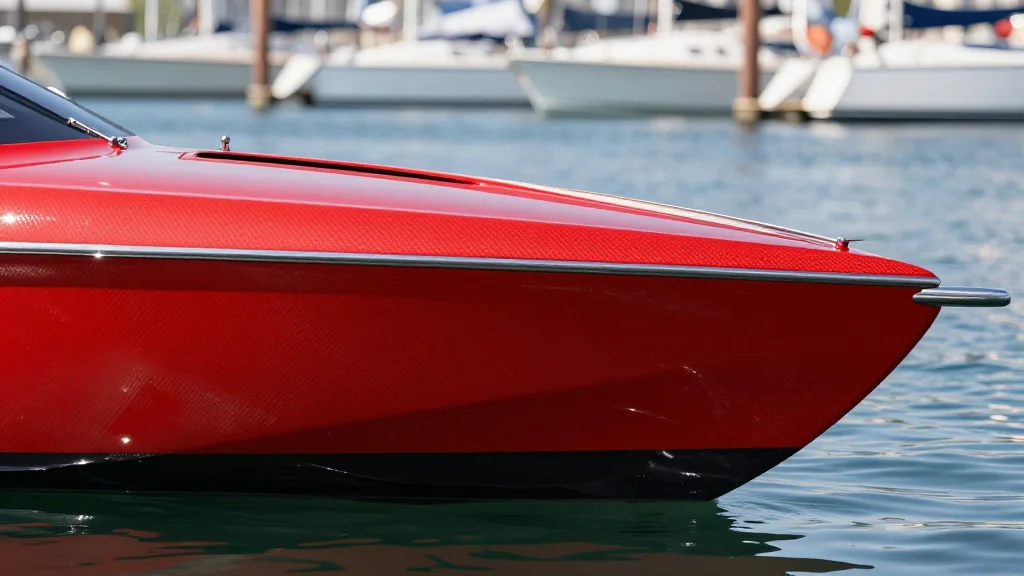
Ferrari Reveals Hull of 30‑Metre Hypersail Racing Yacht

Companies Mentioned
Why It Matters
Ferrari’s Hypersail yacht marks a pivotal moment where a storied automotive brand leverages its engineering pedigree to disrupt the ultra‑luxury marine market. By delivering a self‑sufficient, foiling super‑yacht, Ferrari not only expands its product portfolio but also raises the bar for sustainability in a segment traditionally dominated by fuel‑intensive vessels. The project signals to other luxury manufacturers that cross‑industry innovation—particularly in materials and renewable energy—can create new revenue streams and reinforce brand prestige among high‑net‑worth clients. The yacht also serves as a testbed for technologies that could trickle down to Ferrari’s road cars, such as advanced carbon‑fiber construction and energy‑recovery systems. This bidirectional flow of innovation strengthens the brand’s overall engineering ecosystem, potentially accelerating the adoption of greener performance solutions across both automotive and marine domains.
Key Takeaways
- •Ferrari unveiled the demoulded hull of its 30‑metre Hypersail racing yacht in Pisa.
- •The carbon‑fiber hull combines foam, honeycomb and laminate layers for optimal lightness and strength.
- •Design draws on Ferrari Monza SP1/SP2 and 499P Hypercar aesthetics, with a signature yellow livery.
- •Hypersail will be self‑sufficient, powered by solar, wind and kinetic energy sources.
- •Sea trials are planned for late 2026, with delivery expected in early 2027.
Pulse Analysis
Ferrari’s foray into the super‑yacht arena reflects a strategic diversification that leverages its core competency—high‑performance engineering—into a market where brand cachet translates directly into multimillion‑dollar sales. Historically, luxury automakers such as Rolls‑Royce and Bentley have dabbled in marine projects, but few have committed to a purpose‑built, foiling vessel that prioritises renewable power. By doing so, Ferrari differentiates itself from traditional yacht builders who rely on conventional propulsion, positioning the Hypersail as a flagship of sustainable luxury.
The collaboration with naval architect Guillaume Verdier and the integration of Ferrari’s design studio signal a deeper convergence of automotive and marine design philosophies. This cross‑pollination could accelerate the adoption of carbon‑fiber monocoque structures in yachting, reducing weight and enhancing speed while maintaining structural integrity. Moreover, the renewable‑energy focus aligns with a growing consumer expectation for eco‑responsibility among the ultra‑wealthy, potentially reshaping purchasing criteria in the sector.
Looking ahead, the Hypersail may act as a catalyst for a new class of performance‑oriented, green super‑yachts. Competitors will likely respond with their own tech‑heavy offerings, intensifying R&D investment in lightweight composites and alternative propulsion. For Ferrari, success will hinge on translating the yacht’s technical achievements into a compelling ownership experience that mirrors the emotional appeal of its cars. If the Hypersail delivers on its promises, it could open a lucrative pipeline of bespoke marine projects, reinforcing Ferrari’s status as a pioneer at the intersection of speed, style, and sustainability.
Ferrari Reveals Hull of 30‑Metre Hypersail Racing Yacht
Comments
Want to join the conversation?
Loading comments...