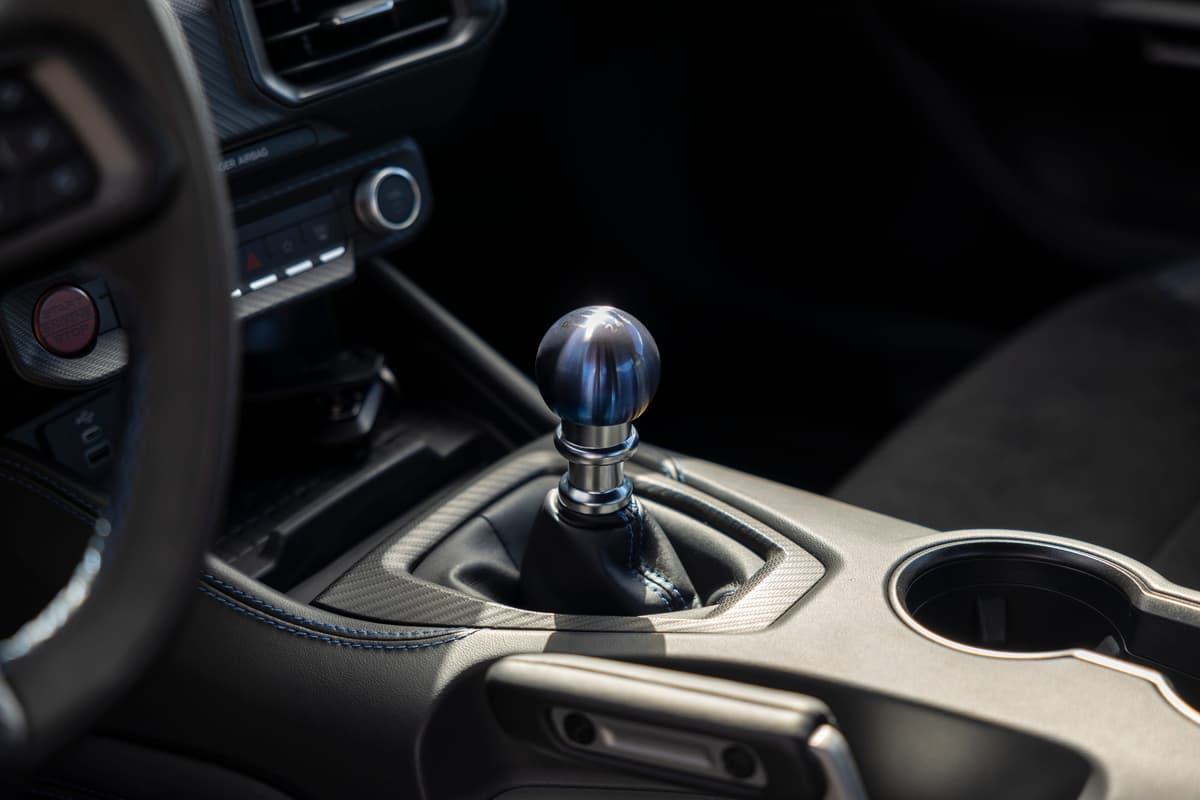
Ford CEO Farley: They'll Have to Rip the Mustang's Stick Shift 'Out of Our Cold, Dead Hands'
•March 10, 2026
0
Why It Matters
Maintaining a manual Mustang preserves a niche but passionate market segment, differentiating Ford from rivals that are phasing out three‑pedal cars. This commitment can bolster brand loyalty and support performance‑oriented sales.
Key Takeaways
- •Ford vows to keep manual Mustang indefinitely
- •Manual demand remains strong in V8 Mustang models
- •EcoBoost lost manual option due to low sales
- •Competitors dropping manuals, Ford stands out
- •Enthusiasts view manual as driver engagement
Pulse Analysis
The manual gearbox, once a staple of American muscle, has been disappearing from the global lineup. Chevrolet ended the Camaro, Dodge halted its Challenger manual, and European brands have reduced stick‑shift options to niche models. This contraction reflects shifting consumer preferences toward automatic and electric drivetrains, as well as tighter emissions regulations that favor fewer moving parts. Yet a dedicated cohort of driving enthusiasts still values the tactile connection and performance control that a three‑pedal setup provides, keeping the manual alive in select segments.
Ford’s decision to retain the manual in its V8‑powered Mustangs aligns with that enthusiast niche. The GT, Dark Horse, and upcoming performance variants continue to ship with a six‑speed gearbox, while the EcoBoost line dropped the option after low take‑rate figures. Internal data suggests that manual‑equipped V8s still achieve a higher profit margin per unit, driven by premium pricing and limited production runs. By preserving the stick shift, Ford not only safeguards a revenue stream but also reinforces the Mustang’s heritage as a driver‑focused icon.
From a branding perspective, Farley’s “cold, dead hands” pledge sends a clear signal to the performance community that Ford will not abandon the core attributes that define the Mustang. This stance can translate into stronger dealer loyalty, higher resale values, and a competitive edge as rivals eliminate manual options entirely. Moreover, as the industry pivots toward electrification, a manual Mustang may become a rare collector’s item, further enhancing its cultural cachet. Ford’s commitment thus serves both short‑term sales goals and long‑term brand equity.
Ford CEO Farley: They'll Have to Rip the Mustang's Stick Shift 'Out of Our Cold, Dead Hands'
0
Comments
Want to join the conversation?
Loading comments...