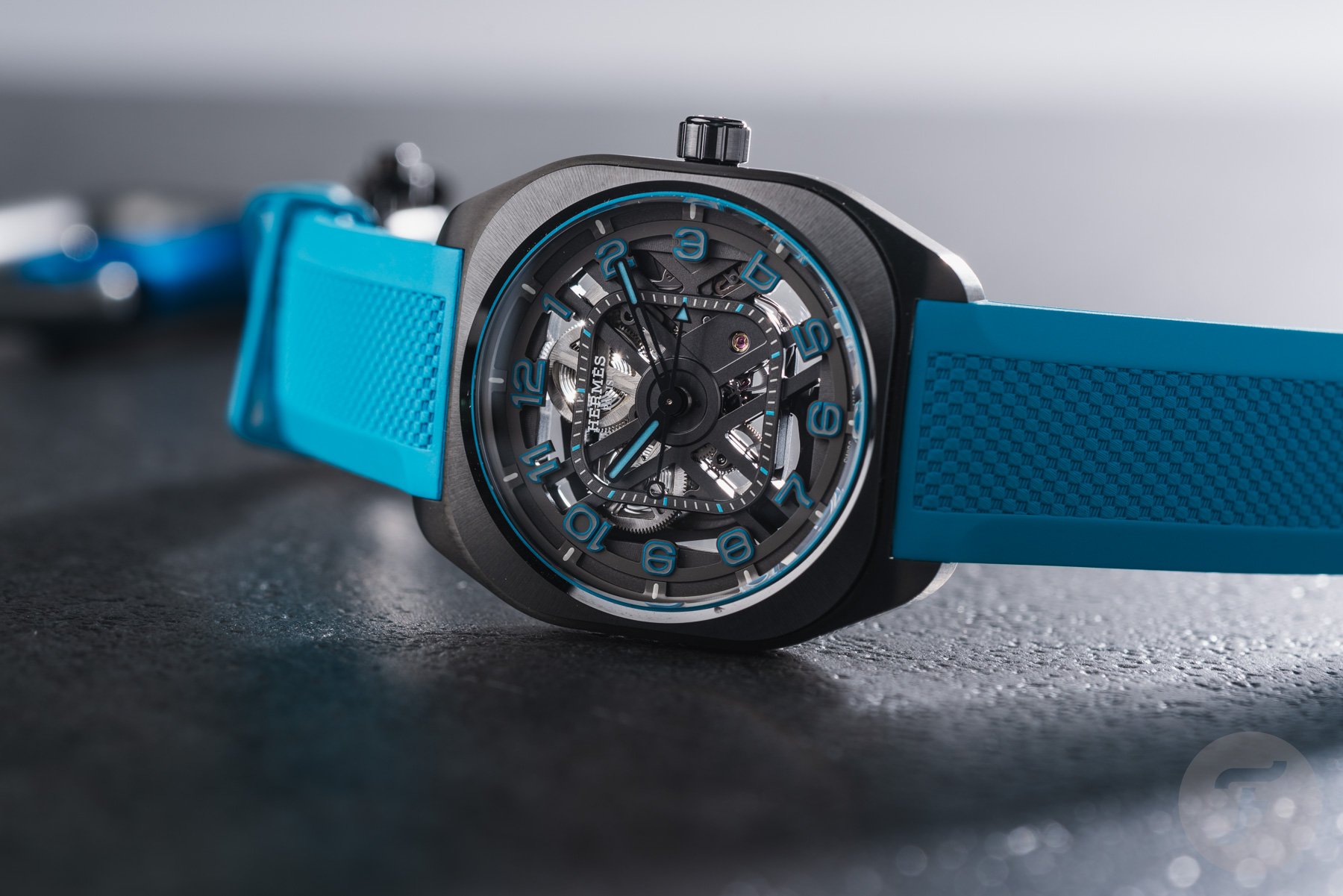
Fratello Talks: A Big Year For Skeletonized And Openworked Watches
Why It Matters
Transparent dials give manufacturers a visual hook that drives consumer interest and justifies premium pricing, while reshaping how watchmakers communicate mechanical value in a saturated market.
Key Takeaways
- •Skeletonized designs appear from luxury independents to $500‑$3,000 segments
- •Open‑worked dials enhance perceived technical complexity, boosting brand storytelling
- •Affordable options like Kiwame Tokyo Mune Usuki cost ~€700 ($760)
- •Consumers view transparent dials as both fashion statement and functional art
- •Over‑exposure can clutter aesthetics, limiting daily‑wear appeal
Pulse Analysis
The resurgence of skeletonized and open‑worked dials this year reflects a broader cultural fascination with transparency. Historically reserved for high‑end complications, exposed movements now appear on everything from boutique micro‑brands to mass‑market collections. In an era where consumers can stream the inner workings of a smartwatch, a mechanical watch that visibly reveals its gears satisfies a tactile curiosity that digital devices cannot. This visual honesty not only celebrates horological engineering but also creates a storytelling platform that brands leverage to differentiate in a crowded marketplace.
From luxury independents pricing multi‑thousand‑dollar pieces to entry‑level models like the Japanese Kiwame Tokyo Mune Usuki at roughly €700 ($760), the trend cuts across segments. Designers must balance aesthetic clarity with functional durability; excessive cutouts can weaken case integrity and compromise legibility. Successful executions—such as Omega’s Speedmaster reinterpretations or Doxa’s bold diver—use strategic openings that highlight key components while preserving the watch’s structural core. This careful engineering allows manufacturers to command higher margins, as consumers are willing to pay a premium for visible craftsmanship.
Looking ahead, skeletonization is likely to intersect with emerging technologies. Hybrid timepieces may incorporate transparent sapphire cases that protect delicate movements while showcasing them, and sustainable manufacturing could benefit from modular designs that simplify servicing. Moreover, the secondary market already rewards well‑executed open‑worked models with stronger resale values, reinforcing the notion that visual transparency translates into lasting desirability. As brands continue to experiment with new materials and decorative techniques, the line between statement accessory and everyday wearer will blur, cementing transparent dials as a mainstay rather than a fleeting fad.
Fratello Talks: A Big Year For Skeletonized And Openworked Watches
Comments
Want to join the conversation?
Loading comments...