From Glamping To Gaming, Hotels Lean Into Experiential Concepts
Companies Mentioned
Why It Matters
Experiential hotels tap high‑margin niche demand, diversifying revenue streams as travelers seek immersive, themed stays. The trend signals a shift toward differentiated branding that can command premium rates and drive occupancy in competitive markets.
Key Takeaways
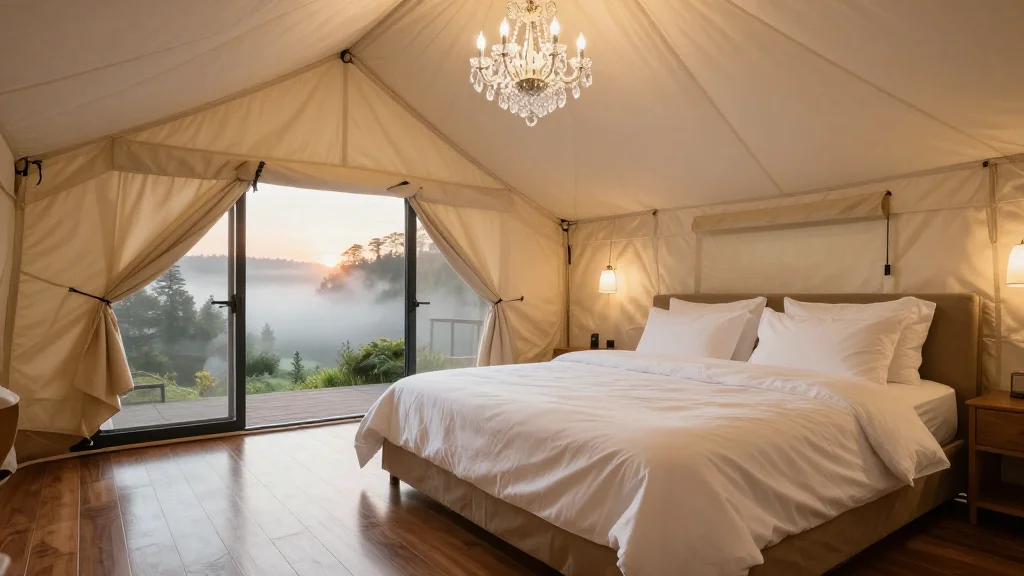
- •WorldHotels launches glamping-inspired properties in Honduras, Utah, North Carolina
- •Glamping market projected to grow 10% annually, reaching $7 B by 2031
- •Marriott partners with Lefay to add luxury wellness resorts in Italy, Alps
- •Sports Illustrated Resorts expands sports-themed hotel near LSU, adding multiple U.S. locations
- •Atari-backed $125 M retro gaming hotel planned for 2026 launch
Pulse Analysis
The rise of experiential travel is reshaping the hospitality landscape, as brands pivot from generic rooms to destination‑specific narratives. Glamping, once a niche outdoor pastime, is now being integrated into hotel portfolios, leveraging natural settings to attract adventure‑seeking guests willing to pay a premium. Industry forecasts from Mordor Intelligence predict a 10% compound annual growth rate, expanding the market to $7 B by 2031, indicating that hotels that embed outdoor‑inspired designs can capture a growing segment of affluent travelers.
Wellness tourism is another powerful driver, with the global market expected to double to $1.35 T by 2028. Marriott’s collaboration with Lefay exemplifies how luxury operators are embedding health‑focused amenities—such as spa‑centric architecture and curated nutrition programs—into high‑end resorts. By situating these properties in scenic locales like Italy’s lakes and the Swiss Alps, Marriott not only enhances its Luxury Group’s portfolio but also taps into a demographic that prioritizes holistic experiences over traditional luxury, thereby boosting average daily rates and guest loyalty.
Beyond nature and health, thematic concepts rooted in pop culture and sports are gaining traction. Sports Illustrated Resorts’ expansion near LSU and Atari’s $125 M retro gaming hotel illustrate how intellectual property can be monetized through immersive environments. These ventures attract younger, experience‑driven travelers and open ancillary revenue streams from merchandise, events, and gaming. For investors, such differentiated assets promise higher yields and brand equity, signaling a broader industry shift toward storytelling as a core component of hotel differentiation.
From Glamping To Gaming, Hotels Lean Into Experiential Concepts
Comments
Want to join the conversation?
Loading comments...