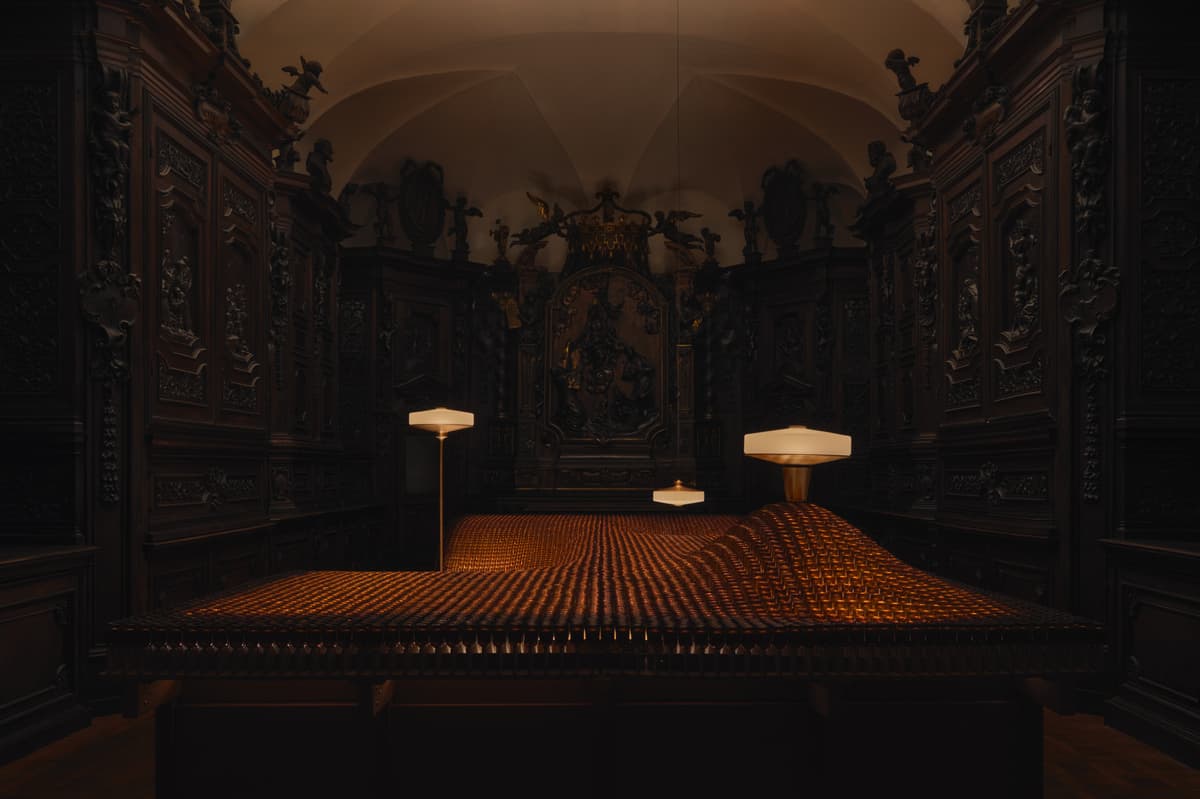
From Lighting to Modular Systems: ArchDaily’s Selection of 13 Architect-Designed Objects at Milan Design Week 2026
Why It Matters
The convergence of architecture and product design creates premium, differentiated offerings that meet growing consumer demand for high‑performance, aesthetically rigorous objects, while cementing Milan Design Week as a key incubator for industry collaborations.
Key Takeaways
- •Zaha Hadid Architects unveiled Erosion and Aeris collections at Salone del Mobile.
- •Foster+Partners' BEAM and COLUMN use FSC‑oak, emphasizing modularity and circularity.
- •Herzog & de Meuron Objects introduced MTM system, adaptable across furniture typologies.
- •Macaron sofa by Mecanoo offers reconfigurable seating for work and hospitality.
- •Aposē lamp marks Aesop’s first lighting product, blending brass, aluminium, glass.
Pulse Analysis
Milan Design Week continues to serve as a global showcase where architecture meets product design, and this year’s ArchDaily selection underscores that momentum. By featuring 13 architect‑driven objects across furniture, lighting, textiles and kitchen systems, the event highlights a growing appetite for design solutions that carry the intellectual rigor of architecture into everyday environments. Brands are leveraging the cachet of celebrated architects to create pieces that are not merely decorative but embody structural logic, material experimentation, and a narrative that resonates with discerning consumers.
The collections reveal common thematic threads: material exploration, modular flexibility, and sustainability. Zaha Hadid Architects’ Erosion and Aeris series translate geological processes and bridge engineering into sculptural furniture, while Foster + Partners’ BEAM and COLUMN reinterpret structural members using FSC‑certified oak, promoting circularity through disassembly and reuse. Herzog & de Meuron’s MTM system and Mecanoo’s Macaron sofa illustrate how modular frameworks can adapt across typologies and settings, from offices to hospitality venues, extending the lifespan of each component. Even Aesop’s inaugural Aposē lamp demonstrates a meticulous blend of brass, aluminium and mouth‑blown glass, reinforcing the brand’s commitment to craft and material integrity.
From a business perspective, these architect‑led collaborations signal a shift toward premium, experience‑focused product lines that differentiate brands in a crowded market. Consumers increasingly value provenance, sustainability and design authenticity—attributes that architects naturally provide. As manufacturers adopt modular, recyclable construction methods, supply chains become more resilient and cost‑effective over the product lifecycle. Looking ahead, the synergy between architecture and product design is likely to deepen, driving innovation, elevating brand equity, and reinforcing Milan Design Week’s status as the premier incubator for next‑generation design commerce.
From Lighting to Modular Systems: ArchDaily’s Selection of 13 Architect-Designed Objects at Milan Design Week 2026
Comments
Want to join the conversation?
Loading comments...