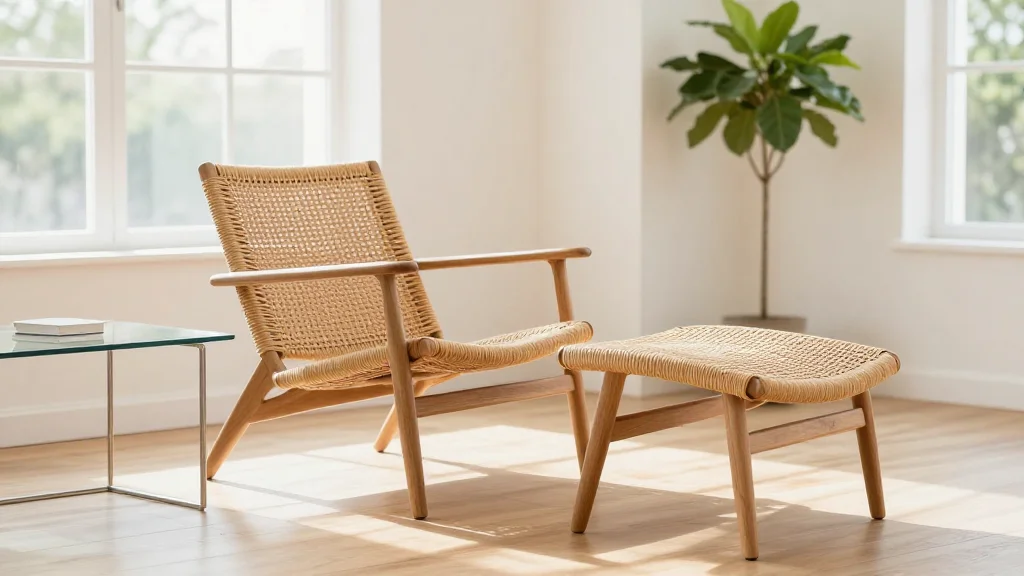
Gubi and Bonacina Relaunch 1960s Rattan Icons in Luxury Home Market

Why It Matters
The Gubi‑Bonacina collaboration illustrates a pivotal shift in luxury interiors: heritage design is no longer a nostalgic afterthought but a strategic growth engine. By reintroducing Agnoli’s 1964 work with contemporary production standards, the brands tap into consumers’ willingness to invest in pieces that carry a narrative of design history and artisanal expertise. Moreover, the emphasis on rattan aligns with sustainability trends, as natural, renewable materials gain favor among eco‑conscious luxury buyers. For the broader market, the partnership sets a benchmark for how legacy manufacturers can partner with globally recognized design houses to create limited‑run, high‑margin collections. It may encourage other luxury brands to explore similar archival revivals, intensifying competition for design authenticity and material innovation in the premium home‑decor space.
Key Takeaways
- •Gubi and Bonacina 1889 reissue Tito Agnoli’s 1964 ‘P3’ lounge chair and ‘P3S’ chaise longue.
- •Prices range from £999 ($1,249) to £1,299 ($1,624), targeting high‑end consumers.
- •Elia Bonacina highlights the technical complexity of the rattan weave; Marie Kristine Schmidt stresses the collaboration’s clear intent.
- •The collection reflects a growing luxury trend of reviving mid‑century modern designs with sustainable materials.
- •Launch slated for early summer, with limited‑edition variants planned for later in 2026.
Pulse Analysis
The Gubi‑Bonacina partnership is more than a product launch; it is a strategic play that leverages the cachet of mid‑century modernism to command premium pricing in a crowded luxury market. Historically, luxury furniture has relied on brand heritage, but this collaboration deepens that narrative by resurrecting a specific designer’s archive, offering buyers a tangible link to design history. This approach mitigates the risk of generic luxury offerings by providing a story that resonates with collectors and design aficionados alike.
From a competitive standpoint, the move puts pressure on rivals such as B&B Italia, Cassina and Poltrona Frau, who have also begun to mine their archives for revival pieces. However, Gubi’s partnership with a specialist rattan maker adds a material differentiation that many competitors lack. The emphasis on rattan’s sustainability could also attract a new segment of environmentally aware affluent consumers, potentially expanding the market beyond traditional luxury buyers.
Looking ahead, the success of this collection could catalyze a wave of cross‑border collaborations where design houses seek out niche material experts to co‑create limited‑edition lines. If demand meets expectations, we may see an acceleration of heritage‑driven, sustainably sourced luxury furniture, reshaping how brands balance nostalgia with modern consumer values.
Gubi and Bonacina Relaunch 1960s Rattan Icons in Luxury Home Market
Comments
Want to join the conversation?
Loading comments...