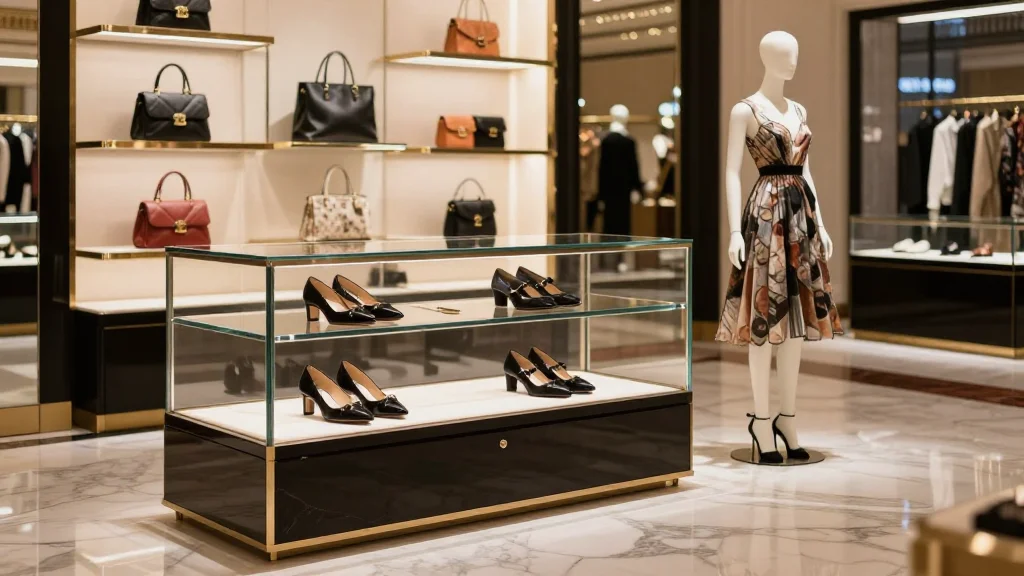
Harrods Unveils Revamped International Designer Rooms, Consolidating 20+ Luxury Brands

Why It Matters
The launch marks a pivotal shift in how luxury department stores curate and present their offerings. By consolidating a diverse set of high‑profile designers into a single, experience‑focused environment, Harrods is redefining the in‑store luxury journey at a time when digital channels threaten traditional retail. The move underscores the importance of physical spaces that deliver curated storytelling, exclusivity and a sense of discovery—attributes that online platforms struggle to replicate. For the broader luxury sector, Harrods’ strategy signals that flagship stores must evolve from mere points of sale to immersive brand ecosystems. Competitors will likely accelerate similar redesigns, emphasizing curated brand clusters, exclusive product launches and experiential retail to retain high‑net‑worth shoppers who value both heritage and innovation.
Key Takeaways
- •Harrods opened revamped International Designer Rooms on the women’s first floor, featuring 20+ luxury brands.
- •The redesign was created by David Collins Studio and aims to provide an "intuitive journey" for shoppers.
- •Simon Longland, director of buying, fashion at Harrods, highlighted the mix of modern, moment‑of‑the‑year pieces.
- •New brand spaces include The Row, Chloé, Tom Ford, with Bottega Veneta and Alaïa slated for June openings.
- •The overhaul is part of a multimillion‑pound refurbishment that began in 2023, targeting higher foot traffic and average spend.
Pulse Analysis
Harrods’ International Designer Rooms illustrate a broader industry pivot toward experiential retail, where the physical store becomes a stage for brand storytelling rather than a simple checkout point. By clustering complementary designers, Harrods can leverage shared aesthetics and customer demographics, creating a synergistic environment that encourages longer dwell times and higher conversion rates. This approach also allows the retailer to negotiate exclusive product allocations, giving shoppers a reason to visit in person rather than shop online.
Historically, department stores have struggled to stay relevant as e‑commerce erodes their market share. Harrods’ strategy—rooted in high‑touch design, curated brand mixes, and limited‑edition drops—mirrors successful tactics employed by luxury boutiques in fashion capitals like Paris and Milan. The emphasis on a "global fashion destination" aligns with the growing consumer appetite for curated, cross‑border luxury experiences, especially among affluent millennials and Gen‑Z shoppers who value authenticity and discovery.
Looking ahead, the success of the International Designer Rooms will likely be measured by foot traffic analytics, average transaction values, and the ability to attract exclusive collaborations. If the concept proves profitable, we can expect other luxury retailers to adopt similar spatial strategies, potentially reshaping the layout of flagship stores worldwide. Harrods’ next steps—rolling out additional brand‑specific spaces and fine‑tuning the mix based on shopper data—will be a bellwether for the future of luxury retail architecture.
Harrods Unveils Revamped International Designer Rooms, Consolidating 20+ Luxury Brands
Comments
Want to join the conversation?
Loading comments...