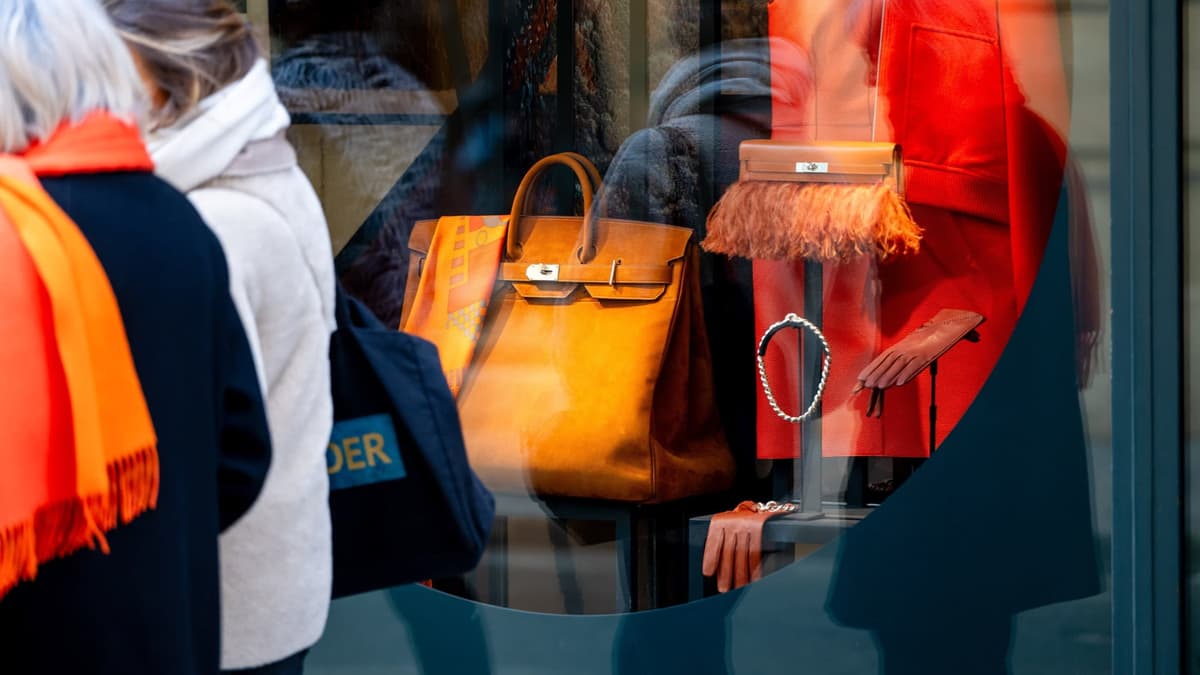
Hermès Bumps up Against Luxury’s Scarcity Paradox
Why It Matters
The scarcity paradox threatens Hermès’ delicate balance between exclusivity and growth, influencing luxury pricing dynamics and investor confidence across the sector.
Key Takeaways
- •Hermès limits production to preserve exclusivity, fueling waiting lists
- •Demand outpaces supply, driving secondary‑market prices above retail
- •Price hikes risk alienating younger luxury consumers
- •Scarcity strategy pressures brand’s sustainability and ethical sourcing goals
- •Competitors may emulate limited‑edition model, intensifying market competition
Pulse Analysis
Hermès has built its reputation on a disciplined scarcity strategy, producing fewer pieces than the market demands to maintain an aura of rarity. This approach, rooted in the brand’s heritage of handcrafted excellence, has historically allowed the house to command premium pricing and protect its long‑term equity. By restricting output, Hermès creates a waiting list effect that reinforces the perception of exclusivity, a tactic that differentiates it from mass‑market luxury rivals.
In recent years, the scarcity paradox has intensified. Global wealth growth, especially in Asia, has surged demand for Hermès' iconic bags and accessories, while the company’s production caps remain unchanged. The result is a thriving secondary market where resale prices regularly exceed retail, sometimes by 30‑50 percent. Waiting lists for flagship items such as the Birkin and Kelly have stretched into years, prompting some customers to turn to gray‑market channels. This imbalance pressures Hermès to consider modest supply adjustments, yet any increase risks eroding the brand’s carefully curated mystique.
The broader luxury landscape watches Hermès closely, as its handling of scarcity could set a precedent for peers. Investors weigh the trade‑off between preserving brand cachet and unlocking incremental revenue through controlled supply expansion. Meanwhile, sustainability advocates question whether limited production aligns with ethical sourcing goals, given the environmental cost of high‑price, low‑volume manufacturing. As competitors experiment with limited‑edition drops, Hermès’ next move will likely shape luxury pricing dynamics and influence how the industry balances exclusivity with growth aspirations.
Hermès bumps up against luxury’s scarcity paradox
Comments
Want to join the conversation?
Loading comments...