How a Briton’s Revival of Soviet-Era Watch Caught Putin’s Eye
Why It Matters
The story shows how a domestic luxury brand can grow under sanctions by leveraging national pride and vertical integration, reshaping Russia's high‑end watch market.
Key Takeaways
- •British entrepreneur revived Soviet-era Raketa, targeting luxury segment
- •In‑house production shields supply chain from Western sanctions
- •Putin’s watch endorsement spurred domestic and export demand
- •2025 profit rose 15% to $1.43 million despite sanctions
- •Prices range $700‑$3,500, appealing to affluent Russian consumers
Pulse Analysis
Russia’s watchmaking heritage dates back to the early 18th century, but the collapse of the Soviet Union left brands like Raketa struggling to stay afloat. The factory, once a massive employer producing watches for cosmonauts and the mass market, was reduced to a handful of craftsmen working with vintage machinery. Western sanctions following the Ukraine war further narrowed export channels, yet they also insulated the domestic market from foreign luxury competition. This environment created a niche for homegrown, high‑quality timepieces that could appeal to patriotic consumers seeking alternatives to Western brands.
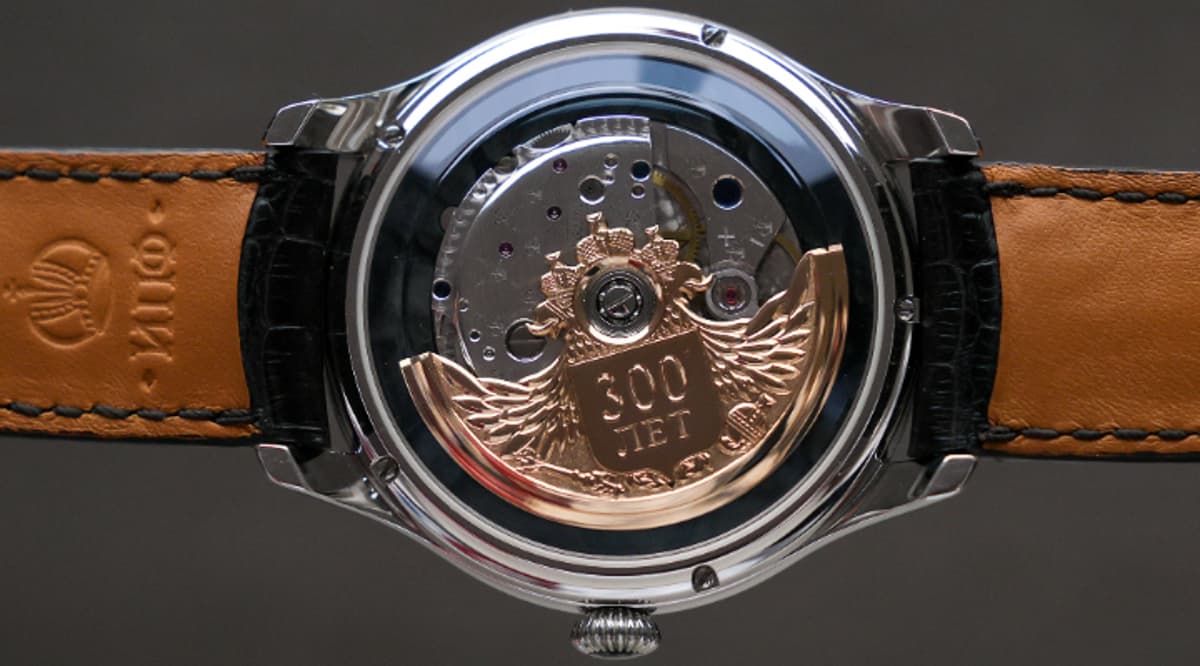
Henderson‑Stewart’s turnaround strategy hinged on three pillars: vertical integration, heritage branding, and price positioning. By refurbishing old equipment and manufacturing most components—cogs, springs, and movements—in‑house, Raketa insulated itself from disrupted supply chains. The "Made in Russia" narrative resonated with a market eager for symbols of self‑reliance, while the price range of $700‑$3,500 positioned the watches between mass‑market and ultra‑luxury segments. The brand’s revival was amplified when President Vladimir Putin was photographed wearing an Imperial Peterhof model, a subtle endorsement that drove both domestic interest and curiosity among collectors abroad.
The Raketa case illustrates a broader trend: Russian luxury firms can thrive by aligning product stories with national identity and by controlling critical production steps. As sanctions persist, other sectors may adopt similar models—leveraging domestic craftsmanship and state‑level visibility to offset market constraints. For investors and industry watchers, Raketa’s 15% profit jump to $1.43 million signals that niche luxury, when coupled with strategic branding, can generate resilient growth even in geopolitically turbulent environments.
How a Briton’s revival of Soviet-era watch caught Putin’s eye
Comments
Want to join the conversation?
Loading comments...