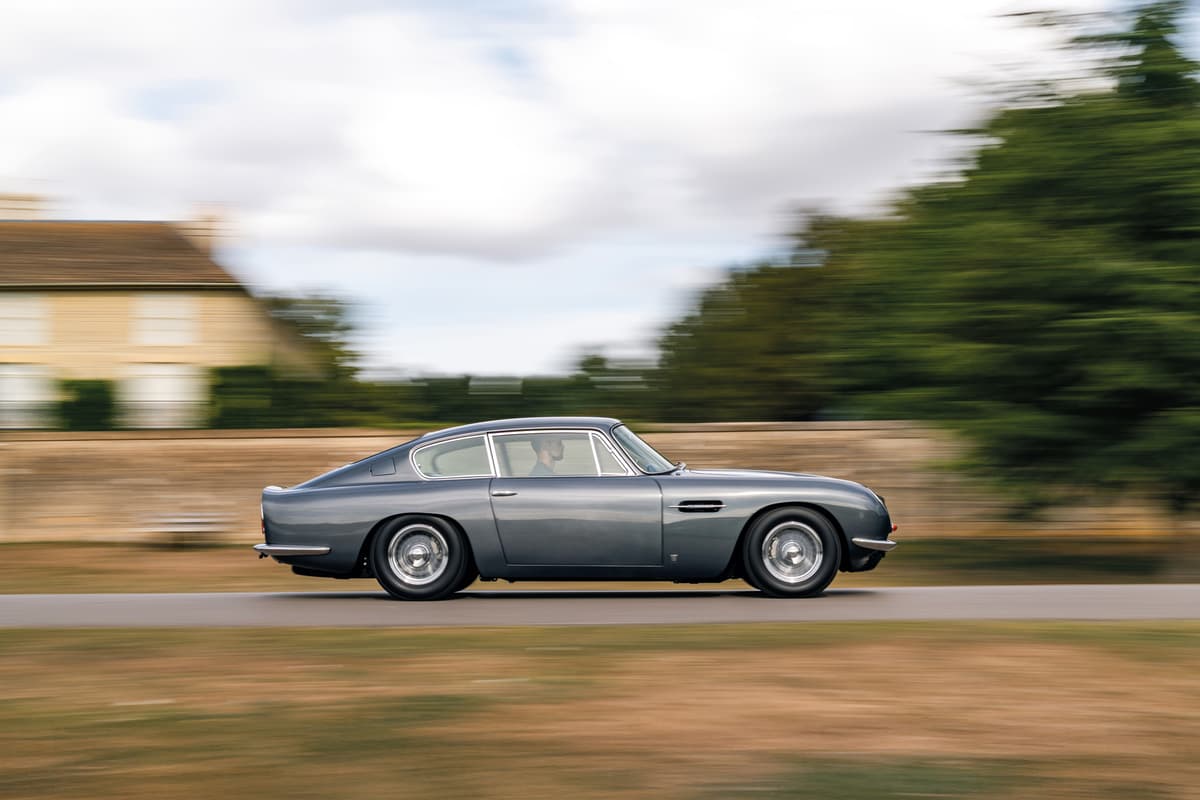
How A Cotswolds Engineering Firm Became The World’s Leader In Electrifying Classic Cars
Why It Matters
Electrogenic proves that classic‑car preservation and zero‑emission goals can coexist, opening a lucrative niche for OEMs and aftermarket players. Its export‑driven model accelerates global adoption of sustainable mobility for heritage vehicles.
Key Takeaways
- •Electrogenic employs 25 specialists in Oxfordshire workshop.
- •Company offers drop‑in kits for classic Porsche, Mini, Triumph.
- •Over half of revenue comes from export markets.
- •Conversions are reversible, preserving original vehicle heritage.
- •Military contracts electrify Land Rovers for stealth operations.
Pulse Analysis
The classic‑car market, long dominated by collectors and nostalgia, is confronting a sustainability imperative. As governments tighten emissions standards and consumers demand greener options, owners of vintage vehicles face a dilemma: preserve automotive heritage or risk regulatory penalties. Electrogenic’s approach sidesteps this trade‑off by delivering fully electric powertrains that bolt onto existing chassis, allowing historic models to meet modern environmental criteria without altering their aesthetic or mechanical soul. This niche solution taps into a growing willingness among enthusiasts to invest in high‑tech retrofits, especially as battery costs continue to decline.
What sets Electrogenic apart is its vertically integrated technology stack. Unlike competitors that merely source third‑party motors, the firm engineers its own high‑voltage e‑motor, single‑speed transmission and proprietary software that optimizes torque delivery for each model. The drop‑in kits are pre‑assembled, use original mounting points and can be installed in a single day by a qualified engineer, dramatically reducing labor costs and downtime. Exportability is baked into the design: kits for the Porsche 911, Triumph Stag and original Mini are shipped worldwide, and the company already supports military‑spec Land Rover conversions for stealth operations. This blend of engineering depth and modularity has attracted attention from major OEMs seeking to fast‑track electrified heritage projects.
The broader industry impact is twofold. First, Electrogenic’s success validates a business case for scalable, reversible electrification, encouraging legacy manufacturers to explore similar offerings rather than abandoning classic line‑ups. Second, the firm’s export‑heavy revenue model demonstrates that demand for sustainable retrofits extends beyond Europe, reaching markets like Africa where fuel reliability is a concern. As mainstream carmakers engage Electrogenic to co‑develop powertrains, the line between boutique conversion shops and large‑scale EV producers may blur, accelerating the diffusion of clean‑tech solutions across the entire automotive ecosystem.
How A Cotswolds Engineering Firm Became The World’s Leader In Electrifying Classic Cars
Comments
Want to join the conversation?
Loading comments...