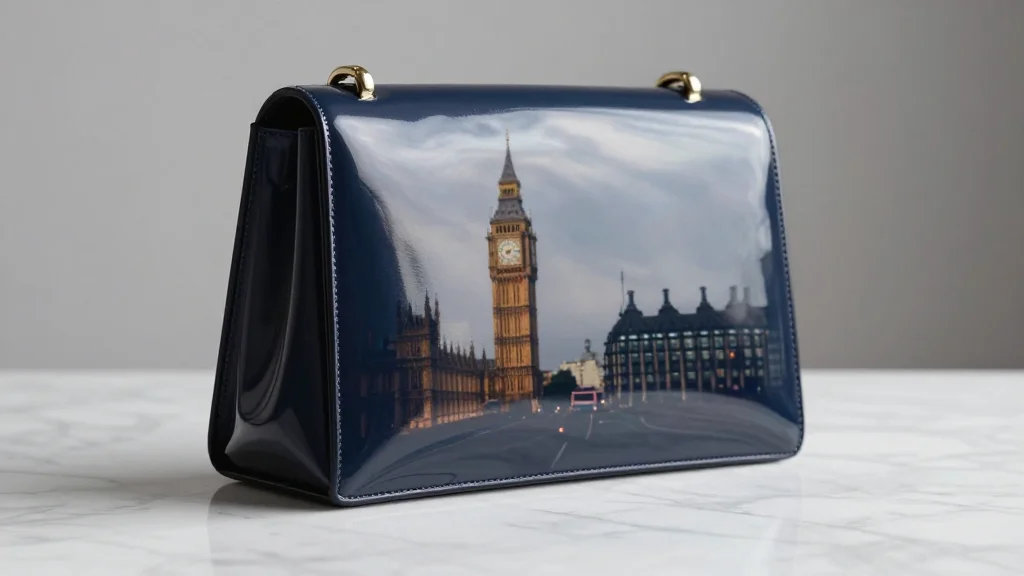
How Is the Middle East Conflict Impacting London’s Luxury Sector?
Why It Matters
Reduced Middle‑East tourism directly trims revenue for London’s luxury retailers, forcing a strategic pivot that could reshape the city’s high‑end retail landscape.
Key Takeaways
- •Middle‑East tourist spending in London down roughly 30% YoY
- •Luxury retailers see about 15% Q2 sales decline
- •Brands shift focus to domestic high‑net‑worth shoppers
- •Online luxury channels absorb part of foot‑traffic loss
- •Retailers diversify sourcing to mitigate geopolitical risk
Pulse Analysis
The geopolitical flare‑up in the Middle East has sent ripples through London’s luxury ecosystem, primarily by choking a pipeline of affluent tourists who traditionally account for a sizable share of high‑margin sales. Prior to the conflict, visitors from Gulf states and Saudi Arabia were responsible for up to 20% of luxury spend in the capital, often making impulse purchases in flagship stores. With air travel restrictions and safety concerns now in place, those numbers have slumped, prompting retailers to confront a sudden shortfall in foot traffic and average transaction value.
In response, luxury brands are recalibrating their go‑to‑market strategies. Many have intensified outreach to the UK’s domestic ultra‑high‑net‑worth cohort, leveraging private events, bespoke services, and exclusive product launches to retain relevance. Simultaneously, there’s a marked acceleration of e‑commerce and omnichannel initiatives, as online platforms help capture demand from both local shoppers and overseas buyers who can no longer travel. This digital shift is cushioning the impact, but it also raises questions about long‑term brand experience and margin compression.
Looking ahead, the sector’s resilience will hinge on diversification. Retailers are exploring emerging markets in Asia and Africa, while also broadening their product assortments to include more experiential offerings that can attract a wider audience. The conflict underscores the vulnerability of luxury retail to geopolitical shocks, urging firms to build more flexible supply chains and marketing mix. Companies that adapt quickly will not only survive the current dip but may also emerge with a more balanced, globally resilient customer base.
How is the Middle East conflict impacting London’s luxury sector?
Comments
Want to join the conversation?
Loading comments...