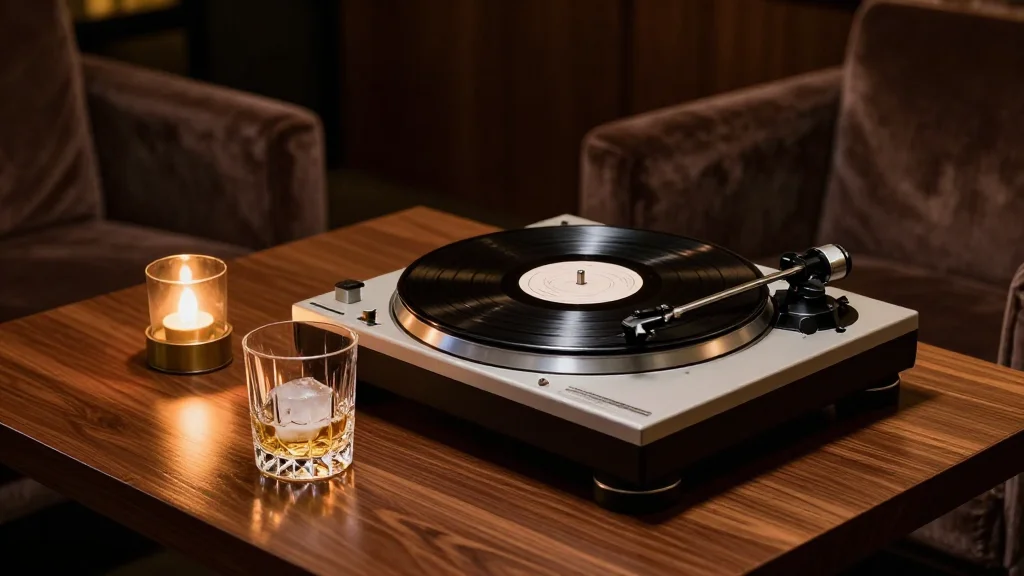
How Japan’s Listening Bar Culture Conquered the World
Why It Matters
Listening bars illustrate how niche cultural experiences can be repackaged as profitable, experience‑driven venues, reshaping urban nightlife and offering new revenue streams for the music and hospitality sectors.
Key Takeaways
- •Originated as 1920s Japanese music cafés, "ongaku kissa"
- •1950s record scarcity sparked intimate Tokyo listening bars
- •2010s global spread driven by vinyl revival and club closures
- •Western venues adapt silence rule, allowing conversation and curated drinks
- •Creative professionals form core clientele for modern listening bars
Pulse Analysis
The roots of Japan’s listening bars trace back to the early twentieth‑century "ongaku kissa," where patrons escaped urban bustle by immersing themselves in curated classical and jazz recordings. By the 1950s, a post‑war scarcity of records and high‑end audio gear turned these cafés into tightly controlled listening rooms, often seating just a handful of guests. This model cultivated a culture of deep musical appreciation, positioning the venue owner as a tastemaker and laying the groundwork for a timeless, audiophile‑centric experience.
In the 2010s, the concept experienced a renaissance as vinyl sales surged and traditional nightclubs struggled to retain audiences. Entrepreneurs in London, New York, Berlin and other creative hubs adopted the Japanese blueprint but softened its strict silence, allowing conversation and pairing music with thoughtfully designed drink menus. These adaptations address the shorter attention spans of screen‑obsessed city dwellers while preserving the core pillars—high‑fidelity sound systems, curated vinyl programming, and reverence for the music itself—creating a hybrid space that feels both exclusive and socially inviting.
For the broader music and hospitality industries, listening bars signal a shift toward experiential retail, where the product is an immersive auditory journey rather than a commodity. They provide record labels and independent artists with a premium platform for deep listening, potentially boosting catalog sales and streaming royalties. Meanwhile, venue operators benefit from higher per‑guest spend on drinks and membership models, turning a niche cultural practice into a scalable business model that could redefine urban nightlife for the next decade.
How Japan’s Listening Bar Culture Conquered the World
Comments
Want to join the conversation?
Loading comments...