Is the Future of Shopping Hiding Inside Luxury Hotels?
Companies Mentioned


Why It Matters
Embedding retail in hospitality gives luxury brands a new revenue stream and deeper consumer engagement, reshaping the competitive landscape of both fashion and travel sectors.
Key Takeaways
- •Luxury brands view hotels as “third places” for retail experiences
- •LVMH spent ~ $55 million on a Cannes villa for brand events
- •BoF reports $4.3 trillion lifestyle sector growth driven by experience
- •Gen Z’s style focus pushes brands toward immersive, community‑centric spaces
- •Saks’ post‑bankruptcy plan keeps Bergdorf Goodman, signaling lean luxury ops
Pulse Analysis
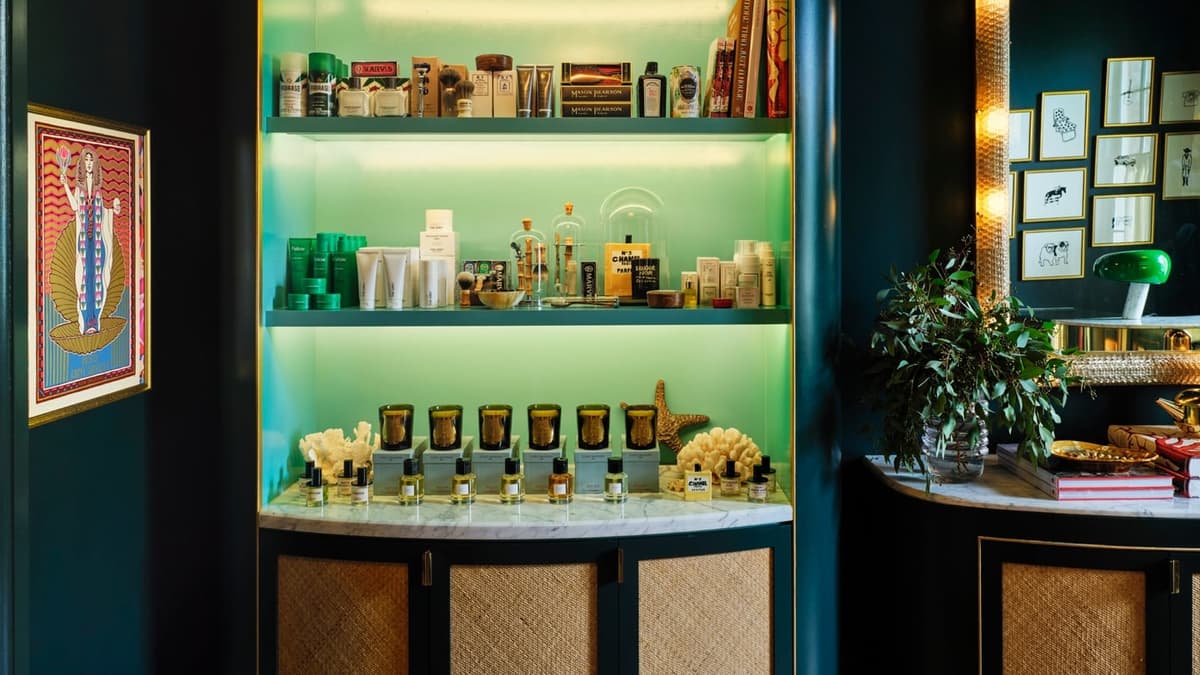
The concept of the "third place"—a social setting beyond home and work—is gaining traction among luxury retailers seeking to revitalize brick‑and‑mortar relevance. By converting hotel lobbies, boutique suites, and even private villas into curated retail environments, brands like LVMH can host exclusive events, showcase collections, and gather high‑net‑worth clientele in a context that feels both intimate and aspirational. This hybrid model blurs the line between hospitality and commerce, offering a differentiated experience that pure‑online channels struggle to match.
Market data reinforces the strategic shift. BoF Insights estimates the global lifestyle sector, encompassing home, fashion, and hospitality, at $4.3 trillion and growing as consumers place premium value on experiential consumption. Gen Z, now a dominant purchasing cohort, demands authenticity and community, driving brands to create spaces where personal style can be expressed and shared. The Cannes villa acquisition, roughly $55 million, exemplifies how luxury conglomerates are allocating capital toward venues that serve as both product showcases and social hubs, aligning with the broader experience‑economy momentum.
For investors and industry insiders, the implications are twofold. First, retailers that successfully integrate hospitality can unlock new profit centers, from event ticketing to ancillary services like dining and wellness. Second, the restructuring of legacy players such as Saks—preserving iconic locations like Bergdorf Goodman while shedding debt—highlights a leaner, experience‑focused operating model. As online resale platforms saturate the market and consumers grow wary of low‑payout models, the allure of curated, in‑person experiences may become a decisive competitive advantage for luxury brands navigating the post‑pandemic retail landscape.
Is the Future of Shopping Hiding Inside Luxury Hotels?
Comments
Want to join the conversation?
Loading comments...