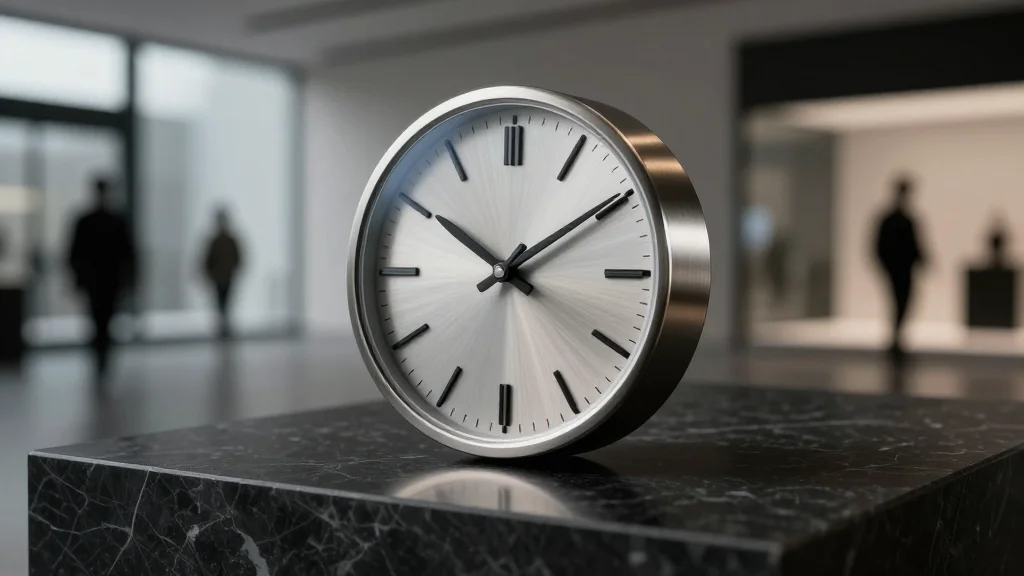
Jaeger‑LeCoultre and Marc Newson Unveil Three Ultra‑Limited Avant‑Garde Clocks at Milan Design Week

Why It Matters
The debut underscores a shift in the luxury time‑keeping market where heritage brands are leveraging design collaborations to create ultra‑exclusive, art‑centric objects. By limiting production to single‑digit runs, Jaeger‑LeCoultre amplifies scarcity, driving demand among collectors who view such pieces as investment‑grade assets. The partnership with Marc Newson also signals a willingness to experiment beyond conventional watchmaking, potentially inspiring rival manufacturers to pursue similar cross‑disciplinary projects. Moreover, the clocks serve as a tangible expression of how luxury brands can diversify revenue streams. As traditional watch sales plateau, high‑margin, limited‑edition artefacts provide a lucrative alternative, reinforcing brand relevance in an era where experiential and aesthetic value often outweigh pure functionality.
Key Takeaways
- •Jaeger‑LeCoultre and Marc Newson unveiled three limited‑edition clocks at Milan Design Week.
- •Memovox Travel Clock limited to 100 pieces features Calibre 256 with a 12‑day power reserve.
- •Atmos Hybris Artistica Tellurium limited to three pieces houses Calibre 590, the most complex Atmos movement to date.
- •Atmos Designer 568 limited to 50 pieces adds sunrise/sunset and equation‑of‑time complications.
- •The collaboration highlights a trend toward kinetic art in luxury horology, emphasizing scarcity and design innovation.
Pulse Analysis
Jaeger‑LeCoultre’s decision to partner with Marc Newson reflects a strategic pivot toward experiential luxury. Historically, the brand’s strength lay in precision watchmaking; now, it is leveraging Newson’s reputation for sculptural design to create objects that function as both timekeepers and statement pieces. This duality caters to a segment of affluent consumers who prioritize uniqueness and artistic merit over conventional utility.
The limited‑edition model also serves a financial purpose. By capping production at 100, 50, and three units, Jaeger‑LeCoultre creates artificial scarcity that can drive secondary‑market premiums, effectively turning each clock into a micro‑investment vehicle. This approach mirrors practices in the high‑end sneaker and art markets, where limited drops generate hype and resale value. For the brand, the upside is twofold: immediate revenue from the primary sale and long‑term brand equity reinforced by the narrative of exclusivity.
Looking ahead, the success of this collaboration could encourage other heritage watchmakers to explore similar alliances with designers, architects, or even technologists. As the luxury sector continues to blur the boundaries between fashion, art, and technology, the ability to produce limited, design‑forward timepieces may become a key differentiator. Jaeger‑LeCoultre’s next steps—whether expanding the line, introducing new materials, or integrating smart‑time functions—will likely shape how the industry balances tradition with innovation.
Jaeger‑LeCoultre and Marc Newson Unveil Three Ultra‑Limited Avant‑Garde Clocks at Milan Design Week
Comments
Want to join the conversation?
Loading comments...