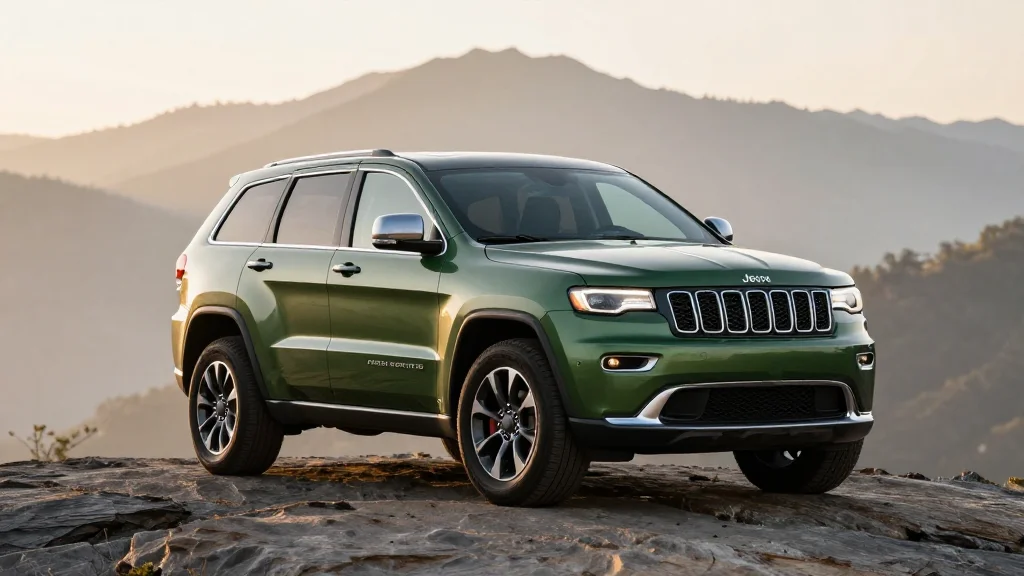
Jeep Confirms Grand Cherokee Trailhawk Return for 2027 Model Year, Excludes Plug‑In Hybrid

Companies Mentioned
Why It Matters
The Trailhawk’s return without a plug‑in hybrid highlights a strategic crossroads for luxury SUVs: manufacturers must decide whether to double down on traditional powertrains that deliver proven performance or accelerate electrification to meet evolving consumer expectations and regulatory standards. Jeep’s choice could shape dealer inventory strategies and influence resale values for both conventional and hybrid models. For the broader luxury market, the decision serves as a bellwether for how legacy brands navigate the shift toward electrification while preserving the distinct character that defines their premium offerings. If Jeep’s gamble pays off, other manufacturers may feel justified in delaying hybrid rollouts for flagship trims, at least in markets where off‑road capability remains a core selling point.
Key Takeaways
- •Jeep confirms Grand Cherokee Trailhawk will return as a 2027 model year trim.
- •The new Trailhawk will be built on the refreshed 2026 Grand Cherokee platform.
- •Plug‑in hybrid (4xe) powertrain will not be offered, aligning with Stellantis' PHEV pullback.
- •Teaser image reveals aggressive styling cues: red tow hook, blacked‑out grille, amber DRLs.
- •Full specifications and pricing expected later in 2024, with pre‑orders to follow.
Pulse Analysis
Jeep’s decision to resurrect the Trailhawk trim without a hybrid option reflects a calculated risk in a market increasingly dominated by electrified luxury SUVs. Historically, the Trailhawk has been a halo product, embodying Jeep’s rugged heritage while appealing to affluent buyers who value both capability and brand prestige. By forgoing the 4xe, Jeep sidesteps the engineering complexities and cost premiums associated with integrating battery packs into an already heavy off‑road chassis. This could translate to a more competitive price point and preserve the vehicle’s payload and towing capacities—key metrics for its target demographic.
However, the move also exposes Jeep to criticism from environmentally conscious consumers and regulators pushing for lower emissions. Competitors such as Land Rover have introduced plug‑in hybrid variants of their Range Rover models, positioning themselves as leaders in sustainable luxury. Jeep’s strategy may therefore hinge on the strength of its brand loyalty and the willingness of its core audience to accept a conventional powertrain in exchange for proven off‑road performance. If the Trailhawk sells robustly, it could validate a dual‑track approach where legacy brands maintain traditional engines for niche, performance‑oriented trims while rolling out electrified options elsewhere in the lineup.
Looking ahead, the upcoming reveal will be a litmus test for Jeep’s market read. Should the Trailhawk command premium pricing and strong pre‑order numbers, it may encourage Stellantis to reconsider the pace of its PHEV phase‑out in North America. Conversely, a lukewarm reception could accelerate the shift toward full electrification across the Grand Cherokee family, aligning the brand with broader industry trends and regulatory timelines.
Jeep Confirms Grand Cherokee Trailhawk Return for 2027 Model Year, Excludes Plug‑In Hybrid
Comments
Want to join the conversation?
Loading comments...