Why It Matters
Lincoln’s incremental strategy keeps the brand profitable but risks falling behind rivals that are pouring capital into full‑electric lineups. The extended production cycles and delayed EV rollout could affect Ford’s premium market share globally.
Key Takeaways
- •Lincoln US sales hit 106,868 in 2025, best since 2019
- •China Lincoln sales fell 13% YoY to 7,228 units Q1
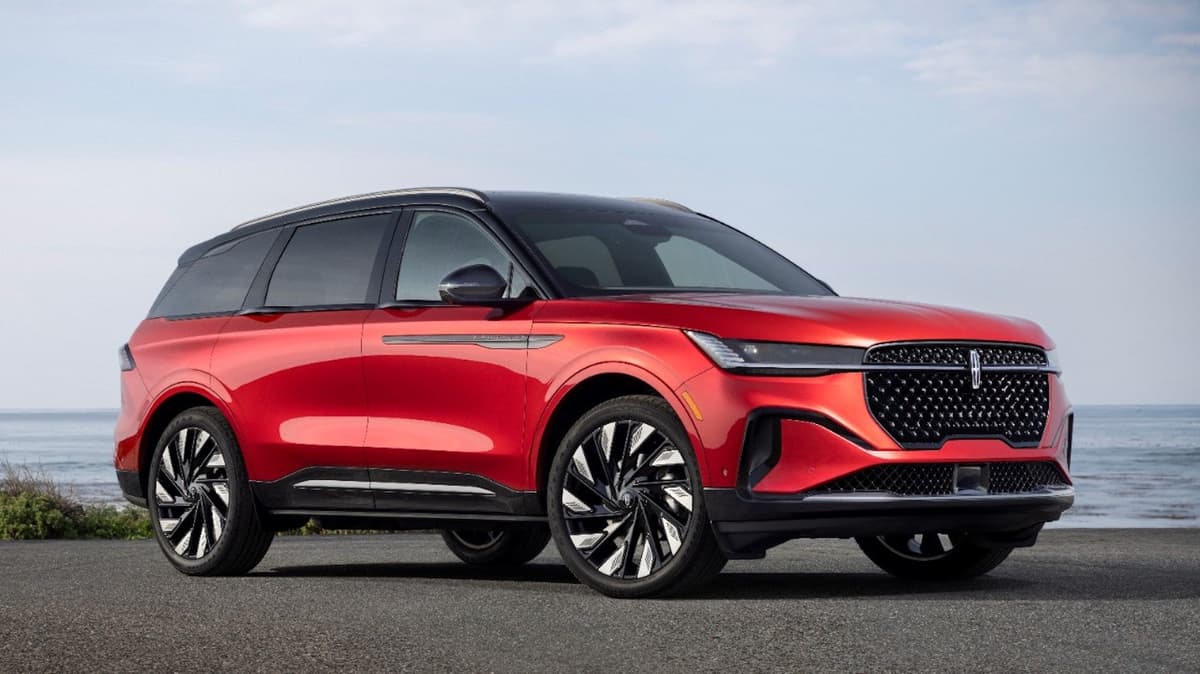
- •Aviator SUV to receive refresh, stay in production through 2030
- •UEV platform will launch Lincoln EVs, first model expected 2028
- •Corsair may run in China until 2030, with hybrid export plans
Pulse Analysis
Ford’s Lincoln brand is carving a niche as a low‑volume luxury player, yet its growth hinges on a cautious product roadmap rather than the aggressive electrification seen at Cadillac or Genesis. The 2025 U.S. sales figure of 106,868 units marks the best performance since the 2019 high, suggesting the brand’s current portfolio still resonates with affluent buyers. However, without a sizable capital infusion, Lincoln risks lagging as competitors accelerate EV development and marketing spend, potentially eroding its premium positioning over the next decade.
In China, Lincoln’s future rests on the joint venture with Changan Ford, which produces the Z fastback, Nautilus SUV and the aging Corsair. The Z is slated for a 2026 facelift and a 2030 successor built on an extended-range electric vehicle (EREV) architecture, while the second‑generation Nautilus will likely receive a redesign around 2028 and a replacement by 2031‑32. The Corsair, originally launched in 2017, is expected to stay in production until at least 2030, with a refreshed hybrid version possibly entering North American markets as early as 2027. These moves aim to sustain market relevance despite a 13% year‑on‑year sales dip in the Chinese market.
Back in the United States, Ford is extending the Aviator SUV through a 2030 refresh and exploring an EREV powertrain, while a range‑extender version of the Navigator could appear by 2029. The broader Lincoln EV strategy hinges on the Universal EV (UEV) platform, with the first electric Lincoln not slated for production until 2028 at the Louisville plant. Meanwhile, the Oakville plant remains idle after the Edge shutdown, shifting focus to F‑Series trucks. This staggered approach reflects Ford’s intent to balance short‑term profitability with a long‑term electrified premium offering, but the delayed EV timeline may challenge Lincoln’s ability to compete in an increasingly electric luxury market.
Lincoln future models: 2026-2036
Comments
Want to join the conversation?
Loading comments...