Louis Vuitton Unveils Cruise 2027 with Keith Haring Collab at New York’s Frick

Companies Mentioned

Louis Vuitton
Why It Matters
The Frick show illustrates how luxury houses are redefining exclusivity by weaving pop‑culture references into heritage narratives. By partnering with the Keith Haring Foundation, Louis Vuitton taps into a cultural cachet that resonates with younger, digitally native consumers while preserving its aura of rarity through limited‑edition pieces. This approach could reshape how luxury brands balance artistic collaborations with commercial imperatives, influencing pricing strategies and distribution models across the sector. Furthermore, the event underscores the importance of experiential retail—using iconic venues and high‑profile guests to generate media amplification. As luxury spending patterns evolve post‑pandemic, brands that can create immersive, story‑driven moments are likely to capture a larger share of discretionary spend, especially in markets where consumers seek both status and cultural relevance.
Key Takeaways
- •Louis Vuitton debuted its Cruise 2027 collection at New York’s Frick Museum, featuring a new Keith Haring collaboration.
- •Creative director Nicolas Ghesquière described the collection as “a cameo come to life” and highlighted the museum’s integration with the designs.
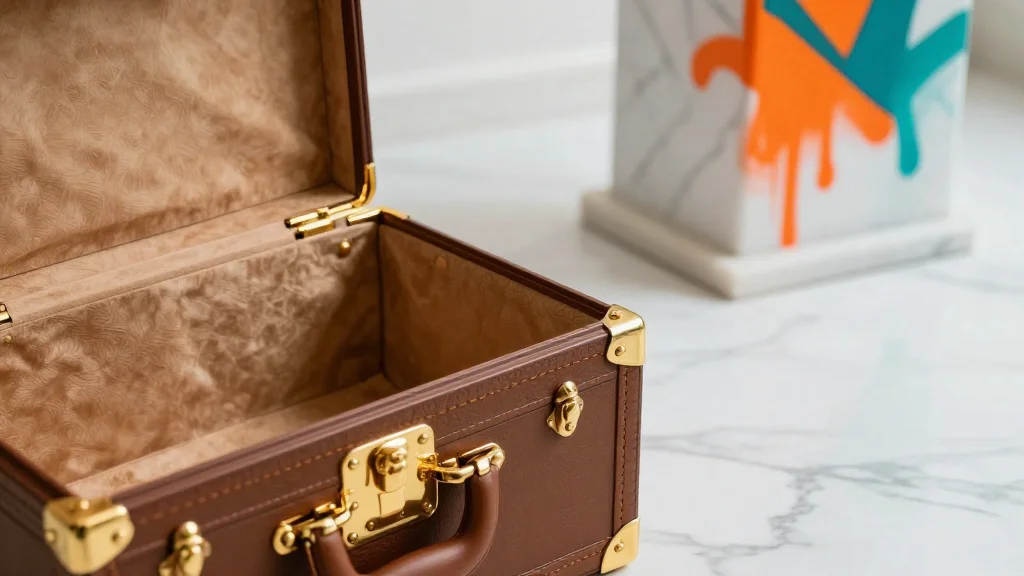
- •The show blended Gilded Age architecture with Haring’s graffiti, introducing limited‑edition accessories like a monogram suitcase originally doodled in 1984.
- •The collection’s tagline—“Pop art, pop culture, and pop luxury”—signals a strategic shift toward “pop luxury” branding.
- •Analysts will monitor the commercial rollout of Haring‑themed pieces to gauge the viability of art‑driven luxury collaborations.
Pulse Analysis
Louis Vuitton’s decision to stage its Cruise 2027 show at the Frick is a calculated gamble that leverages the museum’s cultural gravitas to legitimize a pop‑art partnership. Historically, luxury houses have used heritage venues to reinforce lineage; this time, the brand flips the script by inserting street‑art iconography into that very lineage. The move reflects a broader industry trend where heritage brands seek relevance with Gen‑Z and Millennials by co‑opting symbols of mass culture, a tactic that can broaden appeal but risks alienating traditional clientele.
The Keith Haring collaboration is particularly savvy because the artist’s estate already commands a strong secondary‑market presence, as evidenced by the 2020 auction of a Haring‑tagged LV trunk that sold for $35,075. By reactivating that narrative, Louis Vuitton not only creates a story that sells but also taps into an existing collector base willing to pay premiums for provenance. The limited‑edition nature of the pieces—such as the sequined jackets and crystal‑embellished minaudières—ensures scarcity, preserving price integrity while still broadcasting a pop‑culture vibe.
Looking ahead, the success of this pop‑luxury experiment will hinge on execution beyond the runway. If the Haring‑branded accessories achieve strong sell‑through and generate secondary‑market buzz, other luxury houses may accelerate similar collaborations, potentially saturating the market and diluting the novelty factor. Conversely, a tepid commercial response could prompt a retreat to more conventional heritage‑focused storytelling. Either outcome will shape the strategic playbook for luxury brands navigating the intersection of art, celebrity, and consumer desire in the next decade.
Louis Vuitton Unveils Cruise 2027 with Keith Haring Collab at New York’s Frick
Comments
Want to join the conversation?
Loading comments...