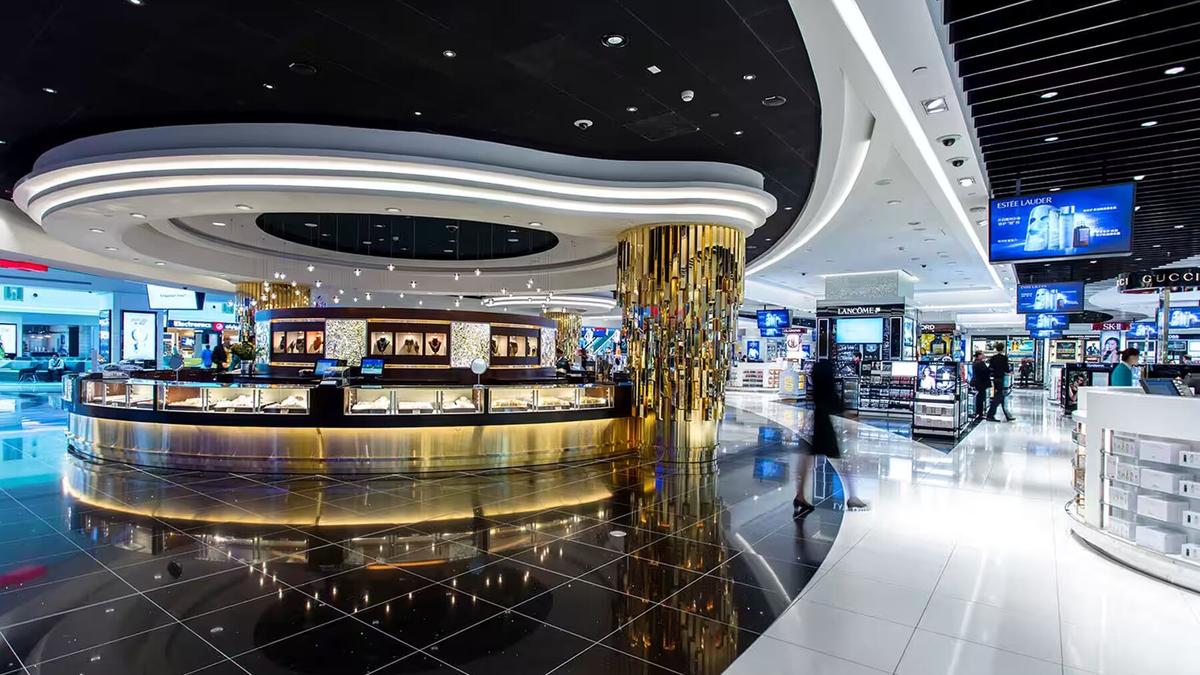
Luxury Brands Book Sales Drop as Middle East War Takes Toll on Airport Shopping
Why It Matters
The dip in airport luxury sales signals reduced discretionary spending in a high‑margin channel, forcing brands to accelerate cost cuts and strategic pivots. Investors and suppliers must watch how restructuring and financing choices affect long‑term brand equity.
Key Takeaways
- •Airport luxury sales fell amid Middle East travel restrictions
- •Kering targets double profitability with Gucci‑focused overhaul
- •Hermès warns of slowing momentum, likening to early‑2010s LV
- •Dolce & Gabbana’s debt‑heavy expansion strains under sector slowdown
Pulse Analysis
The ongoing Israel‑Hamas war has rippled beyond geopolitics into the luxury sector, where airport boutiques traditionally capture affluent travelers with impulse purchases. With flight cancellations and reduced tourism across the Gulf, flagship stores in Doha, Dubai and Abu Dhabi reported double‑digit sales drops, eroding a revenue stream that historically outperformed mall locations. Analysts note that airport retail accounts for roughly 10% of global luxury turnover, making the contraction a bellwether for broader consumer confidence among high‑net‑worth travelers.
In response, luxury conglomerates are accelerating strategic overhauls. Kering’s new CEO Luca de Meo unveiled a restructuring that consolidates design, sourcing and digital functions, with a bold target to double profitability by 2028 and a refreshed Gucci campaign aimed at younger shoppers. Hermès, once the poster child for steady growth, cautioned that its momentum may be stalling, drawing parallels to Louis Vuitton’s early‑2010s slowdown. Meanwhile, Dolce & Gabbana’s reliance on debt‑financed expansion is testing its independence as the sector‑wide slowdown squeezes margins. At Geneva Watch Week, Swiss watchmakers displayed a cautious optimism, but the absence of several heavyweight brands underscored lingering supply‑chain and demand uncertainties.
The broader implication for investors is a shift from growth‑centric narratives to resilience and cash‑flow discipline. Brands are trimming overhead, prioritising direct‑to‑consumer channels, and exploring sustainability pivots—exemplified by Cotton Incorporated’s push for natural fibres to meet tightening environmental regulations. As luxury shoppers recalibrate spending, companies that blend strategic cost management with authentic brand storytelling are likely to emerge stronger, while those overly dependent on volatile travel‑driven sales may face continued pressure.
Luxury Brands Book Sales Drop as Middle East War Takes Toll on Airport Shopping
Comments
Want to join the conversation?
Loading comments...