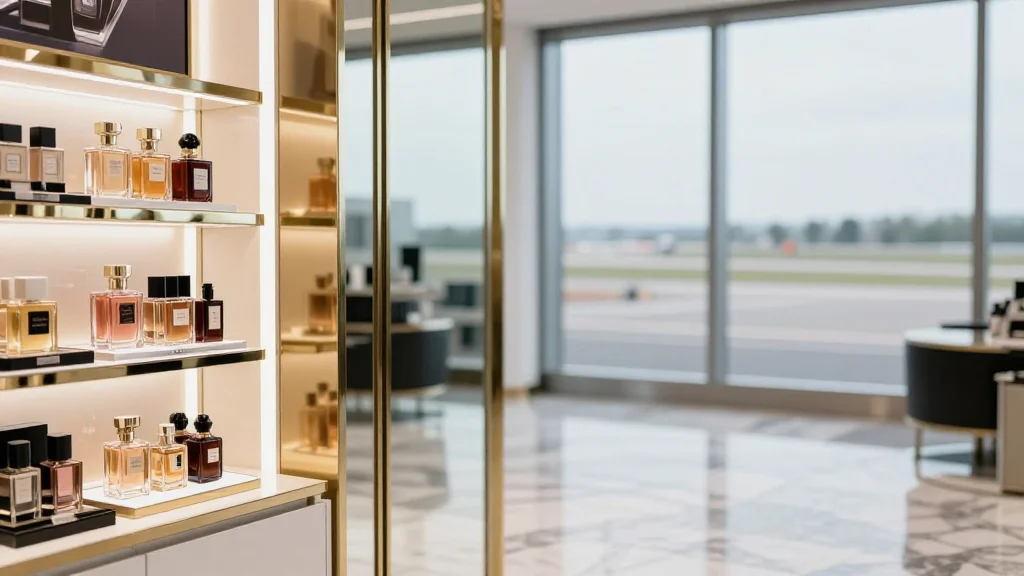
Luxury Brands Book Sales Drop as Mideast War Takes Toll on Airport Shopping
Why It Matters
The episode highlights the vulnerability of luxury and beauty groups that depend on high‑margin travel‑retail channels, turning geopolitical risk into a direct earnings drag. Investors will watch how firms adjust their exposure to airport sales amid ongoing Middle East instability.
Key Takeaways
- •DFS growth down 2 points as Gulf airports close
- •Kering Q1 sales fell 1%, Gucci down 3% in March
- •Avolta’s Middle East revenue share is 3% of total
- •Estée Lauder considers $40 billion Puig acquisition, travel‑retail risk
- •Drone strikes halted Dubai and Kuwait terminals, cutting luxury foot traffic
Pulse Analysis
The travel‑retail segment, worth roughly $74 billion globally, has become a lifeline for luxury brands seeking high‑margin sales beyond saturated domestic markets. Airports in the Gulf, especially Dubai and Kuwait, have traditionally delivered outsized per‑passenger spend on premium perfumes, spirits and cosmetics, helping firms offset softer demand in China and Europe. When the conflict erupted, flight cancellations surged to 65% at the peak, forcing duty‑free operators to shutter terminals and scramble for alternative locations. This sudden loss of foot traffic translates directly into revenue gaps, as seen in LVMH’s DFS division and Kering’s travel‑retail arm.
For the affected companies, the financial hit is immediate and measurable. LVMH disclosed that the Middle East slowdown erased about 1% of its group sales, while its CFO noted a two‑point drag on the selective retailing division’s growth. Kering reported a 1% quarterly decline, with Gucci’s March sales down 3% due to reduced tourist spend. Smaller players like Avolta, which derives roughly 3% of its revenue from the region, are reallocating inventory to busier locations and emphasizing food‑and‑beverage sales to capture stranded travelers. These tactical moves mitigate some loss but cannot fully replace the high‑margin luxury spend that airport shoppers typically generate.
Looking ahead, the episode underscores the strategic imperative for luxury groups to diversify away from a single channel. While travel retail remains attractive, firms are now accelerating digital initiatives, expanding direct‑to‑consumer platforms, and bolstering flagship store performance in core markets. Estée Lauder’s contemplated $40 billion acquisition of Puig adds another layer of exposure, as a tenth of Puig’s sales come from travel retail. Investors will gauge how effectively companies can balance the short‑term shock with longer‑term resilience, especially if geopolitical tensions keep key Gulf hubs intermittently closed.
Luxury brands book sales drop as Mideast war takes toll on airport shopping
Comments
Want to join the conversation?
Loading comments...