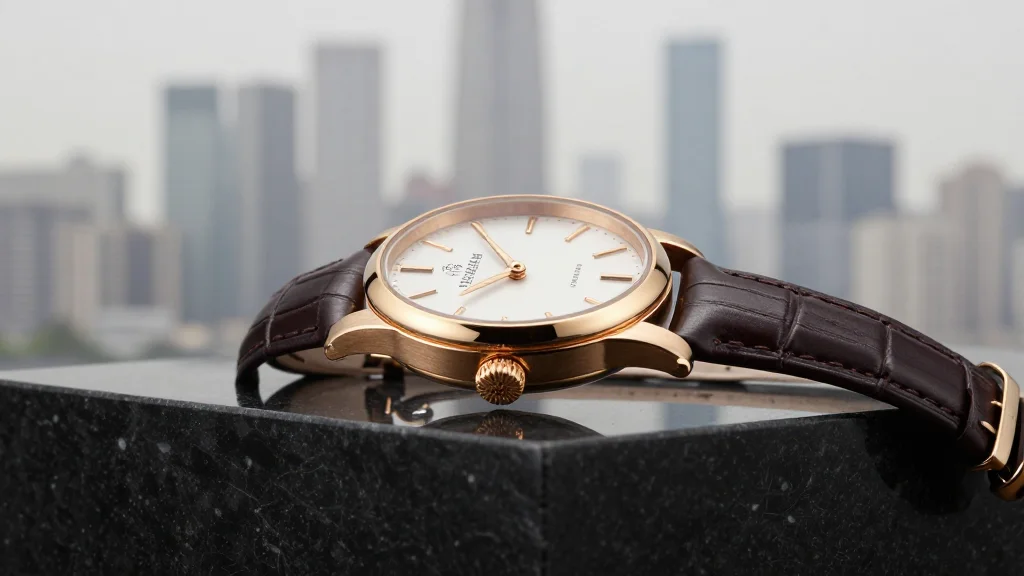
Luxury Sector Shows Early Recovery After Years-Long Slump

Why It Matters
The luxury market accounts for a sizable share of global consumer spending, and its health often reflects broader confidence among high‑net‑worth individuals. A recovery driven by Chinese demand could reignite growth for European and American brands that depend on the world's largest luxury consumer base. Moreover, a rebound may stimulate ancillary sectors such as high‑end retail real estate, logistics, and marketing services that support luxury distribution. For investors, early recovery signals can influence valuation models and capital allocation decisions. A sustained upswing could prompt a re‑rating of luxury stocks, while a faltering recovery would keep pressure on earnings forecasts. Policymakers also monitor luxury consumption as an indicator of discretionary spending trends, which can inform fiscal and monetary strategies.
Key Takeaways
- •CNBC International reports early signs of recovery in the luxury sector.
- •The slowdown was largely attributed to soft demand from Chinese consumers.
- •Analysts describe the recovery as tentative but positive.
- •Potential implications include renewed store openings and inventory adjustments.
- •Future quarters will determine if the trend solidifies into sustained growth.
Pulse Analysis
The luxury market's tentative rebound underscores a broader shift in consumer sentiment that may be linked to easing pandemic restrictions and a gradual return of affluent Chinese travelers. Historically, Chinese shoppers have driven a disproportionate share of luxury sales, often accounting for 30‑40% of global growth. Their recent re‑engagement suggests that the sector's previous over‑reliance on a single geography is being recalibrated, prompting brands to diversify risk across emerging markets in Southeast Asia and the Middle East.
From a competitive standpoint, houses that have invested in digital experiences and omnichannel capabilities are better positioned to capture the nascent demand. Brands that lag in e‑commerce integration may miss out on the early wave of Chinese consumers who now favor online discovery before making in‑store purchases. This dynamic could accelerate the consolidation of luxury e‑commerce platforms and incentivize legacy players to partner with tech firms.
Looking ahead, the durability of the recovery will hinge on macro‑economic variables such as China's property market health, consumer credit conditions, and any regulatory changes affecting cross‑border spending. If these factors align favorably, the luxury sector could not only recoup lost ground but also set a new growth trajectory that outpaces pre‑pandemic levels. Conversely, any reversal in Chinese consumer confidence could stall the momentum, leaving brands to navigate a fragmented recovery path.
Luxury Sector Shows Early Recovery After Years-Long Slump
Comments
Want to join the conversation?
Loading comments...