Luxury Titans Lead Milan Design Week 2026 with Heritage‑Driven Installations

Companies Mentioned

Louis Vuitton
Hermès
RMS
Why It Matters
The Milan Design Week showcases signal a decisive shift in luxury strategy: heritage and handcraft are being weaponized as brand differentiators against a backdrop of AI‑generated design. By foregrounding centuries‑old techniques and labor‑intensive creations, luxury houses aim to reinforce the perception of scarcity and authenticity that underpins premium pricing. This emphasis also reshapes consumer expectations, encouraging a deeper appreciation for the story behind each object rather than just its visual appeal. If successful, the trend could recalibrate the luxury market’s investment priorities, directing more capital toward ateliers, material research and collaborative art projects. It may also influence supply chain dynamics, as demand for rare fibers and specialized artisans rises, potentially tightening already constrained resources and prompting brands to secure exclusive sourcing agreements.
Key Takeaways
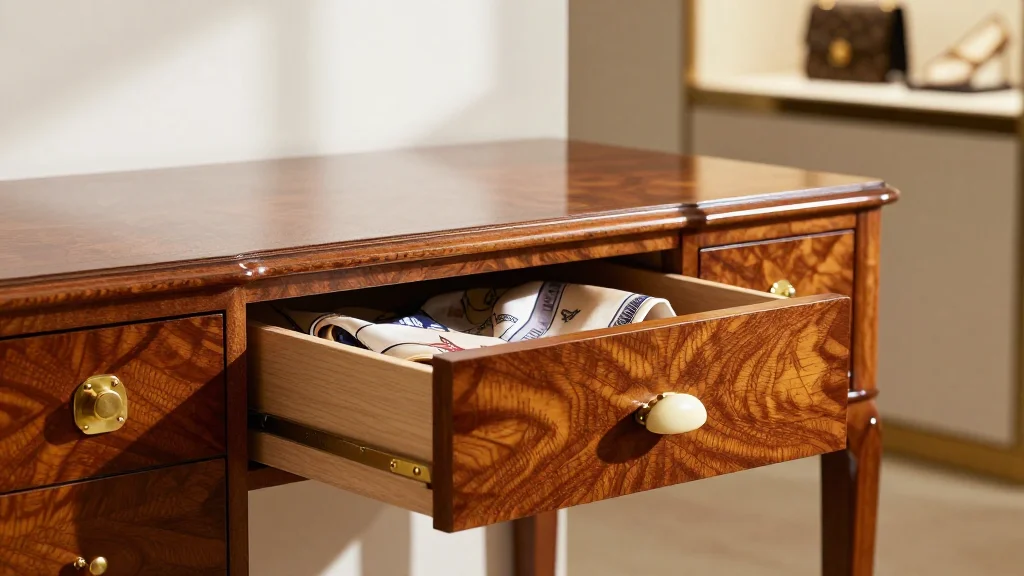
- •Louis Vuitton reissued its 1921 Celeste dressing table at Milan Design Week, linking a century‑old design to modern luxury.
- •Loro Piana unveiled a 24‑plaid research series, with the Sherazade Notte plaid requiring 1,850 hours of hand labor.
- •Hermès, Dior and other houses participated with archival‑inspired installations, underscoring a collective heritage focus.
- •The event highlighted luxury’s strategic use of craftsmanship to counter AI‑driven design trends.
- •Brands are likely to extend research formats and experiential showcases into future fashion weeks and design festivals.
Pulse Analysis
Milan Design Week 2026 functioned as a litmus test for how luxury can remain relevant in a digitized world. Historically, luxury has thrived on scarcity, provenance, and the mythos of the atelier. Today, AI tools can replicate visual aesthetics in seconds, eroding the perceived uniqueness of design. By staging installations that demand months of manual labor, houses like Louis Vuitton and Loro Piana are reasserting the economic value of time‑intensive craftsmanship. This is not merely a nostalgic gesture; it is a calculated market move to protect price premiums and justify the high margins that define the sector.
The ripple effects are already visible. Investors are scrutinizing brand budgets for increased allocation to material R&D and atelier capacity, while analysts note a modest uptick in the share price of companies that publicly commit to such initiatives. However, the scalability of these projects remains a concern. Hand‑crafted pieces cannot be mass‑produced, and the pool of master artisans is limited. Brands may need to develop hybrid models—combining AI for efficiency in non‑core processes while reserving human touch for flagship pieces—to sustain growth.
Looking forward, the luxury narrative will likely evolve into a dual‑track strategy: high‑visibility, craft‑centric showcases that reinforce brand heritage, paired with discreet digital innovations that enhance personalization without diluting the aura of exclusivity. The success of this approach will hinge on how convincingly houses can translate the emotional resonance of a 1,850‑hour plaid or a century‑old dressing table into tangible consumer demand across global markets.
Luxury Titans Lead Milan Design Week 2026 with Heritage‑Driven Installations
Comments
Want to join the conversation?
Loading comments...