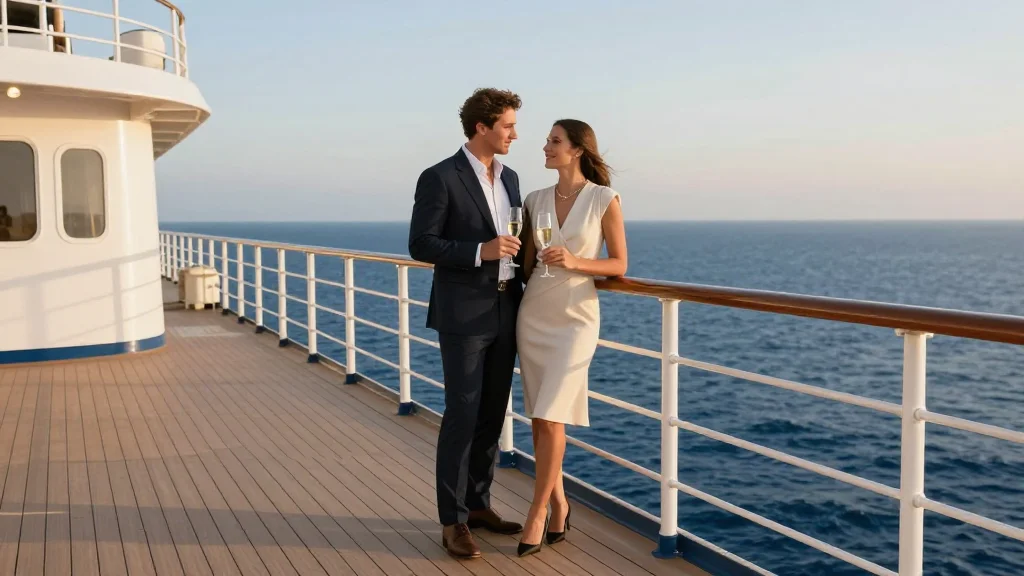
Luxury Travelers Favor 14‑Day Cruises and Last‑Minute Bookings in 2026

Companies Mentioned
Why It Matters
The shift toward longer, value‑rich cruises reshapes revenue models for luxury cruise operators, pushing them to redesign itineraries, enhance onboard inclusions, and reconsider loyalty programs that traditionally rewarded repeat short trips. Simultaneously, the rise in last‑minute bookings challenges the conventional high‑touch, long‑lead‑time sales approach, urging operators to invest in real‑time inventory management and dynamic pricing tools. For the broader luxury travel ecosystem—including high‑end hotels, boutique tour providers, and ancillary service firms—these trends signal a reallocation of discretionary spend toward fewer, more immersive experiences. Brands that can bundle premium services and respond swiftly to booking spikes stand to capture a larger share of affluent consumers’ travel dollars.
Key Takeaways
- •Pavlus Travel & Cruise reports record bookings for cruises 14 days or longer in Q1 2026
- •Last‑minute luxury cruise reservations (within 90 days) have surged, defying traditional planning cycles
- •Inclusions like shore excursions and even laundry services are influencing upgrade decisions
- •Rising fuel costs are prompting travelers to consolidate trips into longer itineraries
- •Industry players must adapt loyalty programs and pricing strategies to meet evolving demand
Pulse Analysis
The data from Pavlus Travel & Cruise suggests that luxury travel is entering a phase of consolidation and immediacy. Historically, the high‑end cruise market relied on brand loyalty and long‑lead‑time planning, but the current environment rewards flexibility and comprehensive value propositions. Operators that can bundle services—excursions, laundry, premium dining—into a transparent price point will likely see higher conversion rates among discerning guests who scrutinize every dollar of perceived value.
From a competitive standpoint, the erosion of brand stickiness opens the door for newer entrants and boutique lines to capture market share by offering differentiated packages. Traditional players such as Regent Seven Seas and Seabourn may need to rethink their loyalty structures, perhaps shifting from point‑based rewards to experience‑based incentives that emphasize unique shore experiences and seamless logistics.
Looking forward, the convergence of longer voyages and last‑minute bookings could reshape capacity planning. Cruise lines may need to allocate more ships to extended itineraries and maintain flexible cabin inventory to accommodate spur‑of‑the‑moment upgrades. Moreover, the trend aligns with broader macro forces—remote work, volatile fuel prices, and a post‑pandemic appetite for meaningful travel—suggesting that the luxury segment will continue to prioritize depth over frequency, with speed of execution becoming a critical competitive lever.
Luxury Travelers Favor 14‑Day Cruises and Last‑Minute Bookings in 2026
Comments
Want to join the conversation?
Loading comments...