Mercedes-Benz Warns of Weak China Luxury Car Demand
Companies Mentioned
Why It Matters
The slowdown threatens Mercedes‑Benz’s revenue growth in its biggest market and accelerates its shift toward EVs and strategic partnerships to sustain long‑term competitiveness.
Key Takeaways
- •China Q1 Mercedes sales fell 27% YoY, biggest market shrinkage
- •Property slump and youth unemployment dampen Chinese luxury car buying
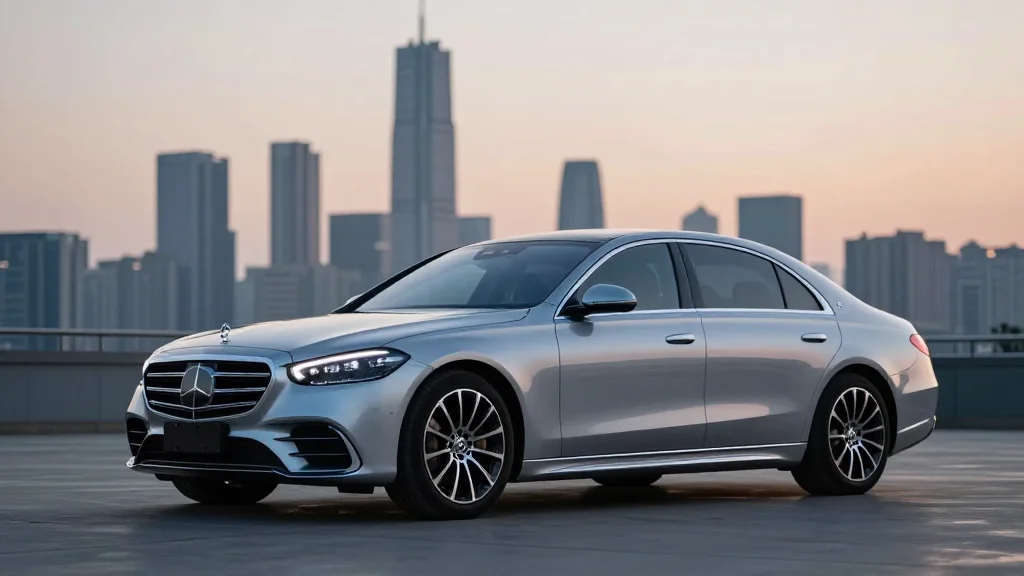
- •Mercedes to rely on updated S‑Class and EV lineup to revive demand
- •Samsung SDI secures first Mercedes EV battery supply, underscoring EV push
Pulse Analysis
China’s luxury‑car segment is entering a prolonged contraction, driven by a deepening property market crisis, soaring fuel prices linked to geopolitical tensions, and a surge in youth unemployment. These macro‑economic headwinds have eroded consumer confidence, prompting a 27% year‑on‑year drop in Mercedes‑Benz sales for the first quarter. The trend mirrors broader challenges faced by premium European brands, which see their traditionally affluent customer base curtail discretionary spending amid tighter household budgets.
In response, Mercedes‑Benz is doubling down on product strategy and pricing discipline. The automaker will roll out an updated S‑Class later this year, aiming to attract high‑margin buyers despite the price war ignited by aggressive Chinese manufacturers. Simultaneously, the group is expanding its electric‑vehicle portfolio, highlighted by the fast‑growing electric CLA in Europe. A landmark multi‑year agreement with Samsung SDI to supply high‑nickel NCM batteries underscores Mercedes’ commitment to next‑generation EVs and reduces reliance on legacy supply chains, positioning the brand for a smoother transition as global emissions standards tighten.
The implications extend beyond China. A weaker Chinese market pressures Mercedes‑Benz to accelerate its EV roadmap and diversify revenue streams, while also prompting rivals to reassess their China strategies. Success of the new S‑Class and EV launches could mitigate the revenue gap and preserve brand equity, but sustained weakness may force deeper cost‑cutting or strategic exits, echoing Volkswagen’s recent pull‑out of the market. Investors will watch how Mercedes balances short‑term sales recovery with long‑term electrification goals, a dynamic that will shape its competitive standing in both Asian and Western markets.
Mercedes-Benz warns of weak China luxury car demand
Comments
Want to join the conversation?
Loading comments...