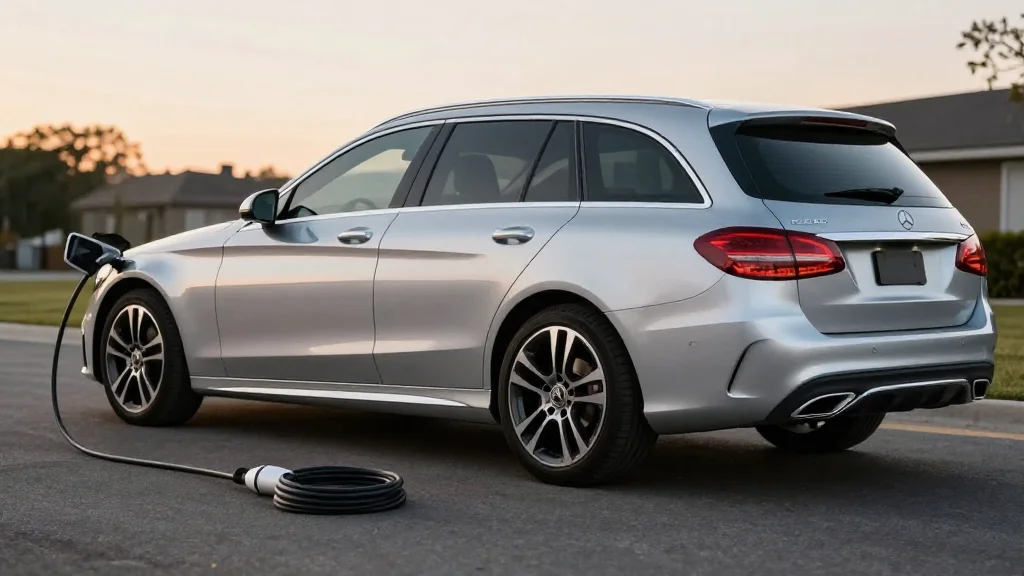
Mercedes Designer Sounds The Alarm: 'Nobody Is Buying' Wagons Anymore
Why It Matters
The decision signals Mercedes’ strategic focus on higher‑margin SUVs and core EV sedans, potentially reshaping its product mix and affecting the luxury wagon niche. It also highlights the challenge of aligning niche body styles with electrification targets.
Key Takeaways
- •Mercedes sees insufficient demand for an electric C‑Class wagon.
- •Wagon sales lag behind SUVs across America, China, and Europe.
- •Mercedes will continue ICE wagons but may drop future EV versions.
- •Competitors like BMW hint at touring EVs, keeping the segment alive.
Pulse Analysis
The luxury automaker’s admission that "nobody is buying" wagons underscores a seismic shift in consumer preferences. Over the past decade, SUVs have eclipsed traditional body styles, offering perceived safety, higher seating positions, and versatile cargo space. Mercedes’ market data mirrors this trend, showing tepid response to the CLA Shooting Brake in the United States and negligible interest in China, while even Europe—historically a wagon stronghold—shows limited appetite for premium estates. By shelving an electric C‑Class wagon, the brand reallocates engineering resources toward higher‑volume platforms like the GLC and EQS, aiming to protect profit margins amid fierce competition.
Electrification adds another layer of complexity. Developing an EV wagon requires substantial investment in battery packaging, drivetrain integration, and platform adaptation. With low projected sales, the return on such capital outlays appears unattractive, especially as Mercedes pushes its EQ lineup toward crossover silhouettes that align with market demand. Meanwhile, rivals such as BMW are testing the waters with i3 Touring concepts, suggesting they see niche opportunities but remain cautious. Mercedes’ decision may signal to the industry that only body styles with proven demand will receive full electric treatment, potentially narrowing the diversity of future EV offerings.
Nevertheless, wagons are not extinct. In Europe, especially in markets like Germany and the Nordic region, estates still command a loyal following, prized for their blend of practicality and driving dynamics. Niche players—Dacia with its Striker and Kia’s manual‑shift wagon—demonstrate that affordable, utilitarian wagons can thrive. Mercedes could preserve its heritage by consolidating wagon variants onto shared platforms or offering limited‑run electric editions for enthusiasts. The broader implication is a market where manufacturers must balance mass‑market SUV growth with the preservation of specialized models that cater to regional preferences and brand identity.
Mercedes Designer Sounds The Alarm: 'Nobody Is Buying' Wagons Anymore
Comments
Want to join the conversation?
Loading comments...