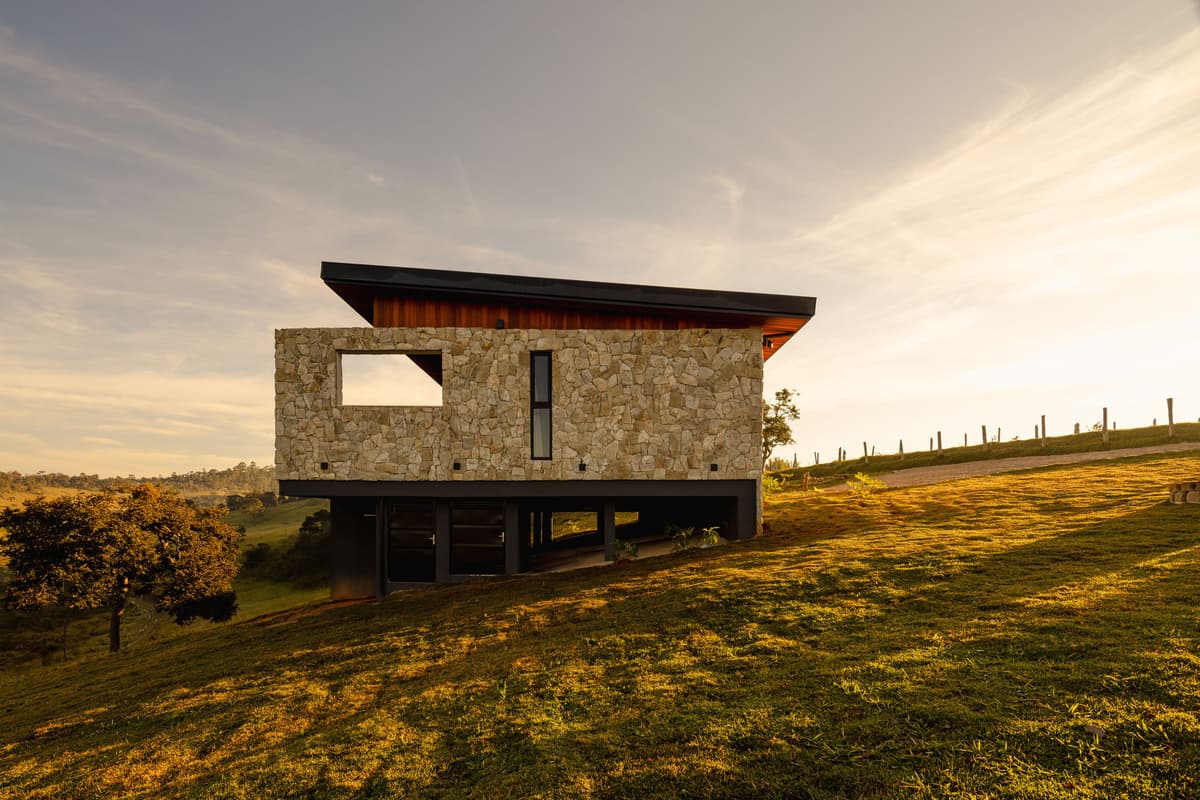
Why It Matters
The cabin exemplifies the hospitality industry’s pivot toward experiential, nature‑focused accommodations, signaling new investment opportunities for designers and operators seeking sustainable luxury retreats.
Key Takeaways
- •Monet cabin blends architecture with a 1 M sqm natural landscape
- •Infinity pool and bathtub create seamless indoor‑outdoor water experience
- •Suspended deck minimizes soil impact, enhancing sustainability
- •Private façade contrasts with rear glass walls framing panoramic views
- •Uses moledo stone and wood for durability and landscape dialogue
Pulse Analysis
The pandemic reshaped traveler expectations, driving a surge in demand for secluded, nature‑centric getaways. Guests now prioritize health, well‑being, and digital detox, prompting a shift from traditional hotels to immersive cabin experiences. This trend has accelerated investment in rural properties, where developers can offer high‑touch amenities without the footprint of large resorts, catering to short‑term, high‑value stays that command premium rates.
Monet’s Cottage embodies this evolution through thoughtful site planning and materiality. By elevating the structure on a suspended deck, the design preserves the underlying soil and reduces ecological disturbance, aligning with growing sustainability standards. The juxtaposition of a private, enclosed façade with expansive rear glazing creates a controlled yet open environment, framing the surrounding landscape as a living artwork. Premium features such as an infinity pool that appears to merge with treetop horizons, an integrated immersion bathtub, and a double‑sided fireplace reinforce the seamless indoor‑outdoor dialogue, while moledo stone and timber provide durability and a tactile connection to the environment.
For the hospitality sector, projects like Monet’s Cottage illustrate a lucrative niche where architecture, wellness, and eco‑responsibility converge. Developers can leverage the model to differentiate their portfolios, attract affluent travelers seeking authentic experiences, and justify higher per‑night pricing. Moreover, the emphasis on low‑impact construction and local material sourcing resonates with investors focused on ESG criteria, potentially unlocking new financing streams. As the market continues to value immersive, sustainable retreats, cabins that blend luxury with environmental stewardship are poised to become a cornerstone of post‑pandemic tourism strategy.
Monet's Cottage / LEIVA arquitetura
Comments
Want to join the conversation?
Loading comments...