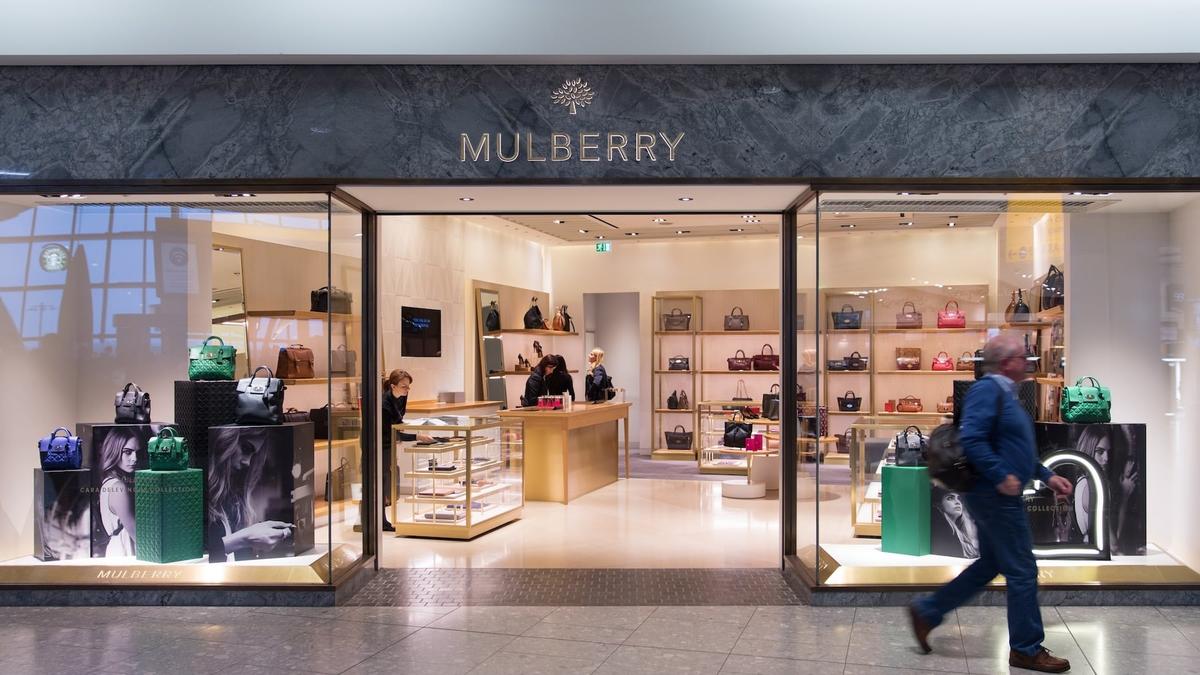
Mulberry Sales Rise as Strategy Reset Takes Hold
Why It Matters
The turnaround validates Mulberry’s strategic shift toward full‑price discipline and domestic growth, signaling renewed profitability for a historic British luxury brand. Investors and competitors will watch the model as a blueprint for revitalizing legacy fashion houses.
Key Takeaways
- •Revenue up 5.7% YoY on constant‑currency basis
- •H2 sales jump 13.6% after first‑half decline
- •Full‑price focus boosts gross margins for FY2026
- •Limited‑edition Bayswater sold out minutes after launch
Pulse Analysis
Mulberry’s latest earnings illustrate how a heritage luxury label can rebound by tightening pricing discipline and refocusing on core markets. After years of discount‑driven sales and overseas volatility, the British brand’s decision to prioritize full‑price transactions restored margin health and steadied cash flow. The 5.7% revenue lift, achieved on a constant‑currency basis, reflects both improved product mix and a more disciplined inventory strategy, positioning Mulberry ahead of many peers still grappling with post‑pandemic demand swings.
The “Back to the Mulberry Spirit” initiative centers on domestic customers, leveraging flagship stores and an enhanced e‑commerce platform to deliver a seamless brand experience. By simplifying its assortment and emphasizing iconic designs, Mulberry re‑engaged affluent shoppers who value British craftsmanship over price‑chasing alternatives. This approach not only reversed a 3.2% first‑half sales decline but also propelled a 13.6% second‑half surge, demonstrating the potency of aligning product pricing with brand equity. The rapid sell‑out of the Bayswater Limited Edition further confirms the appetite for exclusive, high‑margin pieces.
For the broader luxury sector, Mulberry’s results serve as a case study in strategic reset amid a fragmented market. Investors are likely to reward the company’s clear roadmap, which could spur similar moves by other legacy brands seeking to shed discount‑heavy channels. Moreover, the emphasis on digital integration and domestic outreach may inspire a wave of localized, experience‑driven retail models across Europe and North America. As Mulberry eyes continued margin expansion in FY2026, its trajectory will be a bellwether for how traditional fashion houses can modernize without diluting heritage appeal.
Mulberry Sales Rise as Strategy Reset Takes Hold
Comments
Want to join the conversation?
Loading comments...