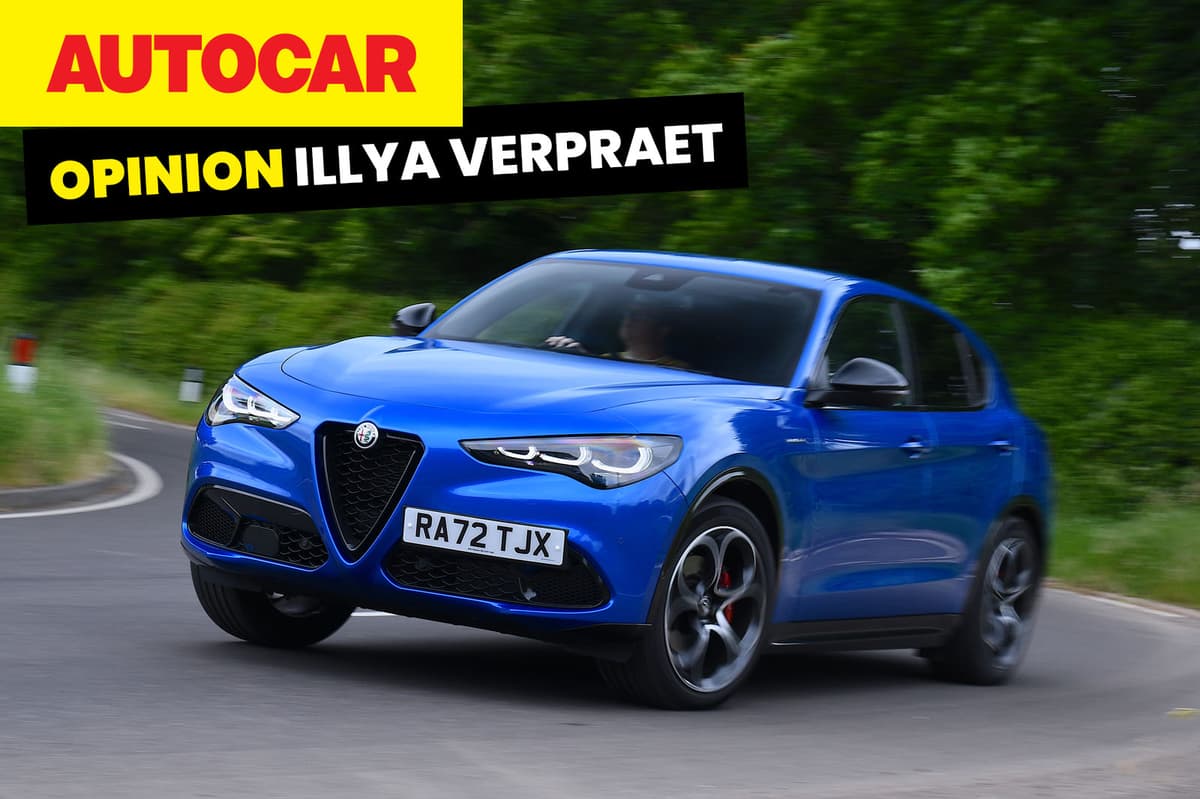
Next Alfa Romeo Stelvio: Right Car, Wrong Platform?
Companies Mentioned
Why It Matters
The Stelvio’s success will determine Alfa Romeo’s relevance in the fast‑growing premium electric SUV market and test Stellantis’s ability to deliver competitive EV technology across its brands. A misstep could erode the brand’s halo appeal and weaken Stellantis’s broader electrification strategy.
Key Takeaways
- •Alfa Romeo will offer both ICE and EV Stelvio variants
- •New model will sit on Stellantis STLA Large platform
- •800‑volt architecture may lag behind dedicated EV platforms
- •Early US reviews of platform‑based Dodge and Jeep were lukewarm
- •Competitive powertrain performance crucial against BMW iX3 and Mercedes GLC EQ
Pulse Analysis
The premium SUV segment is rapidly electrifying, with consumers expecting both performance and sustainability. Alfa Romeo’s decision to launch a dual‑powertrain Stelvio aligns with market demand for versatile luxury crossovers, but the brand must differentiate itself from established players like BMW and Mercedes‑Benz, which already boast purpose‑built electric platforms. By leveraging the STLA Large architecture, Alfa hopes to streamline development costs while offering an 800‑volt system that promises faster charging and higher efficiency, a step up from the 400‑volt setups seen in earlier Stellantis models.
Technical scrutiny centers on whether an upgraded shared platform can deliver the driving dynamics and refinement that Alfa’s enthusiasts expect. The STLA Large chassis, originally tuned for the Dodge Charger and Jeep Wagoneer S, received mixed feedback in the United States, citing uninspired handling and a lack of refinement. While the 800‑volt upgrade improves charging speed, it may still fall short of the dedicated EV architectures employed by BMW’s iX3 and Mercedes’s GLC EQ, which benefit from bespoke battery packaging and optimized weight distribution. Moreover, Alfa’s internal‑combustion options risk appearing underpowered if Stellantis cannot provide a smooth, high‑output engine lineup.
From a business perspective, the new Stelvio is a litmus test for Stellantis’s broader electrification roadmap. A well‑received model could reinforce Alfa Romeo’s halo status, attract new buyers, and validate the cost‑efficiency of platform sharing across the group. Conversely, a tepid market response could damage the brand’s premium cachet and force Stellantis to reconsider its platform strategy, potentially accelerating the development of more specialized EV underpinnings. The outcome will influence not only Alfa’s sales trajectory but also the competitive dynamics of the European luxury SUV market.
Next Alfa Romeo Stelvio: right car, wrong platform?
Comments
Want to join the conversation?
Loading comments...