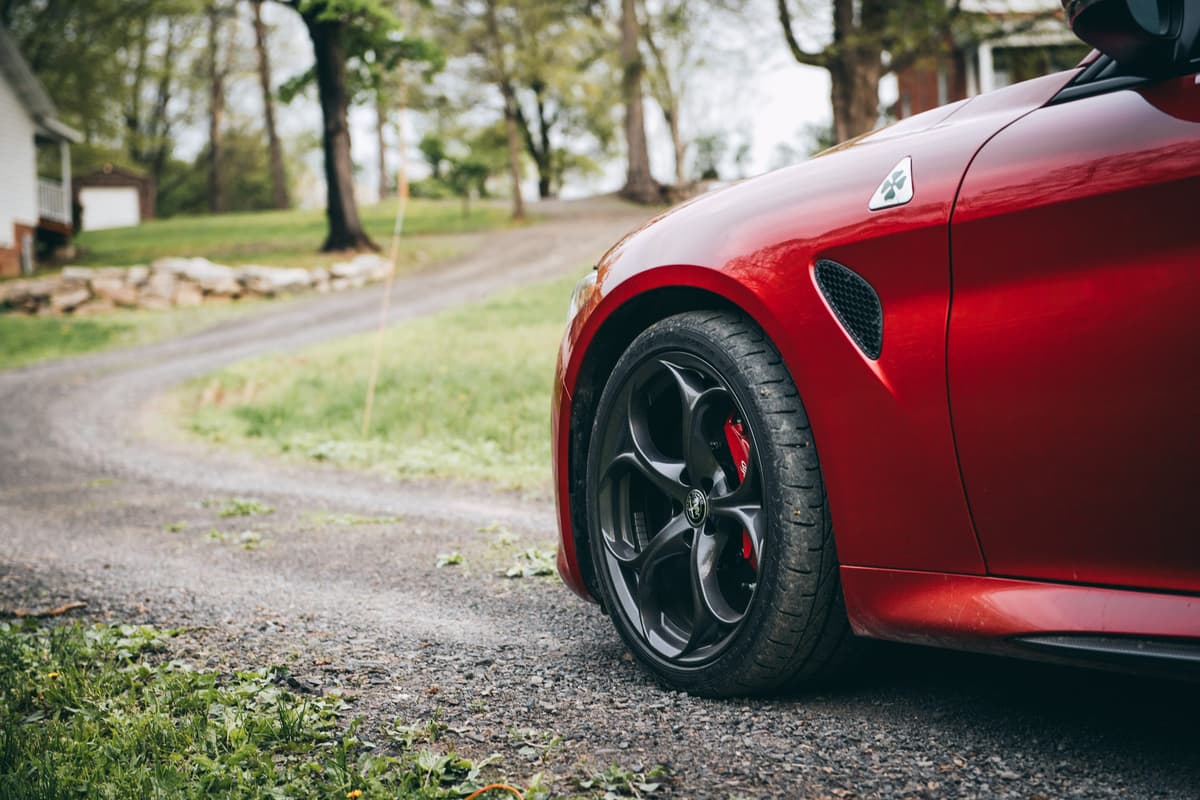
Next-Gen Alfa Romeo Giulia, Stelvio Quadrifoglio May Stick With Ferrari-Derived V-6 Power
Why It Matters
The mixed‑powertrain strategy lets Alfa Romeo meet diverse regulatory demands and consumer preferences, while the retained V6 preserves its performance heritage and differentiates the brand within Stellantis’ portfolio.
Key Takeaways
- •Quadrifoglio will keep Ferrari‑derived 2.9‑L twin‑turbo V6
- •New STLA Brain AI system will manage dynamics via OTA updates
- •Giulia and Stelvio will use STLA Large platform with 800‑V EV architecture
- •Alfa will offer ICE, PHEV and BEV variants to broaden market appeal
- •Design revisions added larger grille for airflow, delaying launch to 2027
Pulse Analysis
Alfa Romeo’s decision to abandon an all‑electric future for its flagship sedan and SUV reflects a pragmatic response to tightening emissions rules and uneven consumer adoption of BEVs. By re‑introducing internal‑combustion options alongside battery‑electric and plug‑in hybrids, the brand can satisfy markets that still value range and performance without sacrificing its European‑style luxury appeal. This hybrid strategy aligns with Stellantis’ broader portfolio diversification, allowing the automaker to spread development costs across multiple powertrains while preserving the Alfa identity.
The upcoming Quadrifoglio models will likely retain the 2.9‑liter twin‑turbo V6 that has become a hallmark of Alfa’s performance pedigree. Updated to meet Euro 7 standards, the engine offers a blend of high output and reduced emissions, positioning the car against rivals such as the BMW M3 and Mercedes‑AMG C63. Simultaneously, Alfa is preparing an electric Quadrifoglio, leveraging an 800‑volt architecture that promises rapid charging and high power density. The STLA Brain software layer, built on AI algorithms, will orchestrate torque vectoring, active suspension, and an augmented‑reality HUD that projects a ghost car for track use, delivering a level of driver assistance rarely seen in this segment.
For the market, these moves could revitalize Alfa Romeo’s performance image while expanding its customer base. Offering ICE, PHEV, and BEV variants under a single model line provides flexibility for regions with differing infrastructure and regulatory pressures. The delayed 2027 launch gives engineers time to refine the STLA Large platform and integrate the new software, potentially setting a benchmark for future Stellantis products. If executed well, Alfa could re‑establish itself as a niche premium brand that blends Italian design, racing‑derived power, and cutting‑edge digital tech.
Next-Gen Alfa Romeo Giulia, Stelvio Quadrifoglio May Stick With Ferrari-Derived V-6 Power
Comments
Want to join the conversation?
Loading comments...