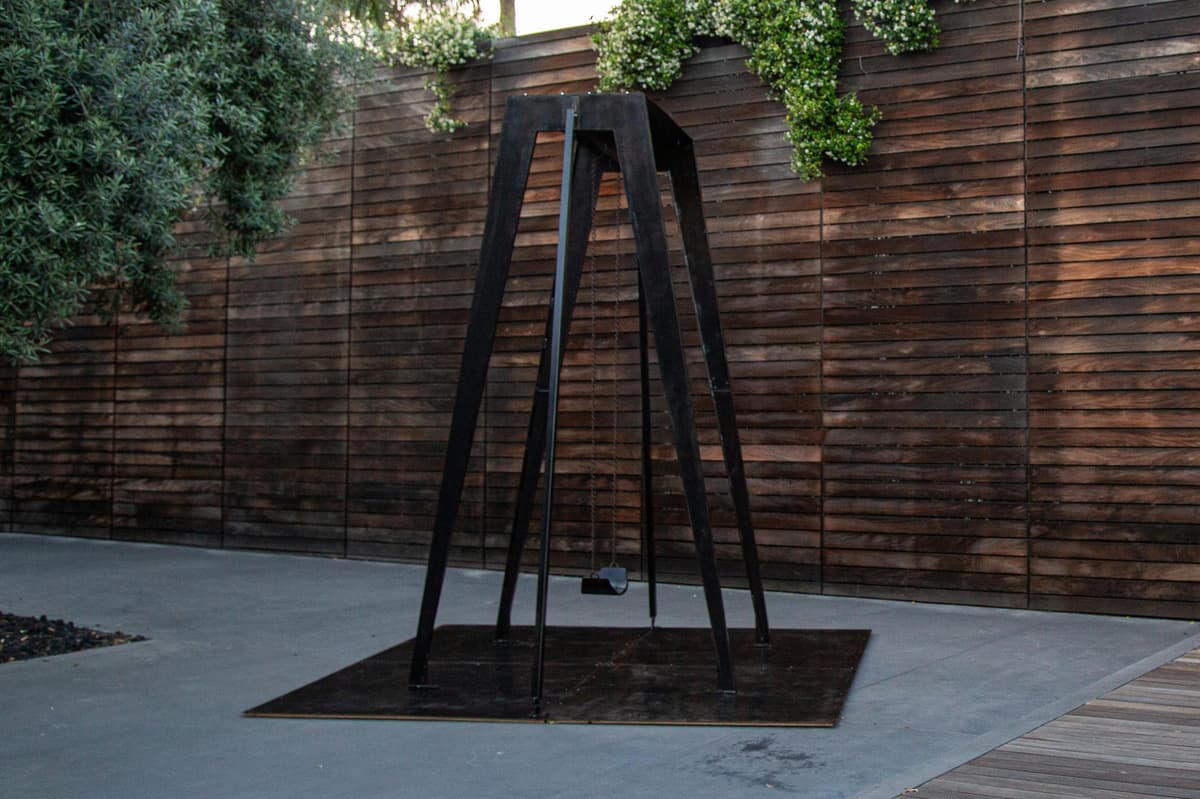
Only Fashion's Depressed Rich Kids Would Make $200,000 Art Out of a Guillotine
Why It Matters
The launch illustrates how luxury fashion brands are monetizing art‑grade objects to deepen exclusivity and capture ultra‑wealthy spenders, reshaping the high‑end market landscape. It signals a growing convergence of fashion, art, and status signaling among affluent consumers.
Key Takeaways
- •Enfants Riches Déprimés unveiled $199,500 “Only Child” guillotine swing
- •Limited‑edition “Dick Man Ashtray” priced at $59,000 also on sale
- •Pop‑up showcases exclusive SS26 clothing and accessories at Maxfield LA
- •Brand’s scarcity strategy fuels hype and drives premium resale values
- •Celebrity endorsements boost ERD’s global demand among affluent shoppers
Pulse Analysis
Luxury fashion houses are increasingly treating art as a product line, and Enfants Riches Déprimés’ Los Angeles pop‑up exemplifies this shift. The Only Child swing, a motionless metal guillotine priced at $199,500, functions as both a sculptural statement and a status symbol, echoing the brand’s rebellious aesthetic while targeting collectors who view fashion as an investment. By positioning the piece alongside a $59,000 Dick Man Ashtray, ERD blurs the line between runway apparel and gallery‑grade artwork, creating a new tier of high‑ticket items that command attention beyond traditional clothing.
The brand’s business model thrives on scarcity, a tactic amplified by celebrity endorsements from figures like Travis Barker and Travis Scott. Limited drops generate hype, driving secondary‑market premiums and reinforcing the perception of rarity. The Maxfield pop‑up, featuring exclusive SS26 garments and hand‑crafted accessories, offers a tactile experience that aligns with ERD’s anti‑digital ethos, compelling affluent shoppers to seek out physical encounters. This approach not only sustains high margins but also cultivates a loyal, niche community willing to pay top dollar for unique, limited‑edition pieces.
The convergence of fashion and high‑end art signals broader industry implications. As brands like ERD monetize sculptural objects, they tap into a market of ultra‑wealthy consumers eager for distinctive, conversation‑starting acquisitions. This trend may prompt other luxury labels to explore similar collaborations, expanding the definition of fashion retail to include museum‑quality installations. Ultimately, the melding of couture and collectible art reshapes consumer expectations, positioning exclusivity and experiential ownership at the forefront of future luxury strategies.
Only Fashion's Depressed Rich Kids Would Make $200,000 Art Out of a Guillotine
Comments
Want to join the conversation?
Loading comments...