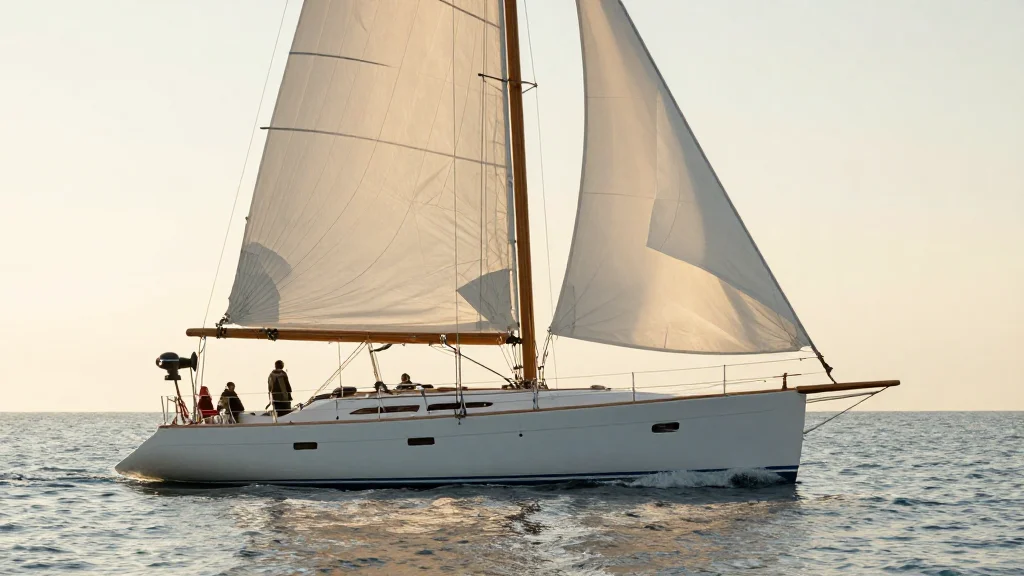
Orient Express Corinthian Named Largest Sailing Yacht, Sets Mediterranean Debut

Why It Matters
Corinthian’s launch could reshape expectations for sustainability in the ultra‑luxury cruise market. By proving that a 220‑metre sailing yacht can deliver premium service while achieving the best EEDI rating in its class, Orient Express sets a benchmark that may compel rivals to invest in comparable green technologies. The vessel also reinforces the value of heritage branding; its wholly French construction and reference to historic ocean liners appeal to a clientele that prizes provenance as much as performance. If Corinthian’s inaugural season proves commercially successful, it may accelerate a shift toward larger, sail‑driven luxury vessels, prompting shipyards to prioritize hybrid propulsion and AI‑driven safety systems. Conversely, any operational challenges—such as reliance on favorable wind conditions or higher maintenance costs for the complex rigging—could temper enthusiasm and reinforce the dominance of traditional fuel‑based superyachts. The outcome will inform how quickly the industry can transition toward greener luxury cruising.
Key Takeaways
- •Orient Express christened the 220‑metre Corinthian, the world’s largest sailing yacht, on April 29, 2026
- •The vessel will depart Saint‑Nazaire on May 2, 2026 for its inaugural Mediterranean season
- •Corinthian features SolidSail’s three 1,500 sq m automated rigs, capable of 100 % wind‑powered propulsion
- •Interior includes 54 suites, a Guerlain spa, and cuisine led by Michelin‑starred chef Yannick Alléno
- •Best EEDI rating in class; sister ship Olympian under construction, signaling fleet expansion
Pulse Analysis
Corinthian arrives at a crossroads where luxury and sustainability intersect. Historically, ultra‑luxury cruising has relied on massive diesel‑powered ships that prioritize speed and amenities over environmental considerations. The introduction of a wind‑driven flagship signals a strategic pivot: the market is now willing to invest in complex engineering to meet the expectations of a climate‑aware elite. This mirrors the broader shift seen in the superyacht sector, where hybrid and fully electric prototypes are gaining traction, but few have achieved the scale of Corinthian.
From a competitive standpoint, Orient Express leverages its heritage—linking the new yacht to the iconic Normandie and Île‑de‑France—to differentiate itself in a crowded field dominated by brands like Regent and Seabourn. The French‑only build narrative not only taps into national pride but also offers a tangible story that resonates with high‑net‑worth travelers seeking authenticity. The integration of AI‑assisted marine wildlife detection and dynamic positioning further positions the yacht as a technology leader, potentially setting new safety and environmental standards that regulators may later adopt.
Looking ahead, the true test will be operational economics. Wind propulsion reduces fuel costs and emissions, but the reliance on favorable breezes could affect itinerary reliability, especially in regions with variable wind patterns. If Orient Express can demonstrate consistent performance and high occupancy rates, it will likely trigger a wave of investment in large‑scale sailing vessels, reshaping fleet compositions across the luxury cruise industry. Conversely, if logistical challenges outweigh the sustainability benefits, the market may revert to hybrid diesel‑electric solutions as a more pragmatic compromise. Either outcome will define the next decade of luxury maritime travel.
Orient Express Corinthian Named Largest Sailing Yacht, Sets Mediterranean Debut
Comments
Want to join the conversation?
Loading comments...