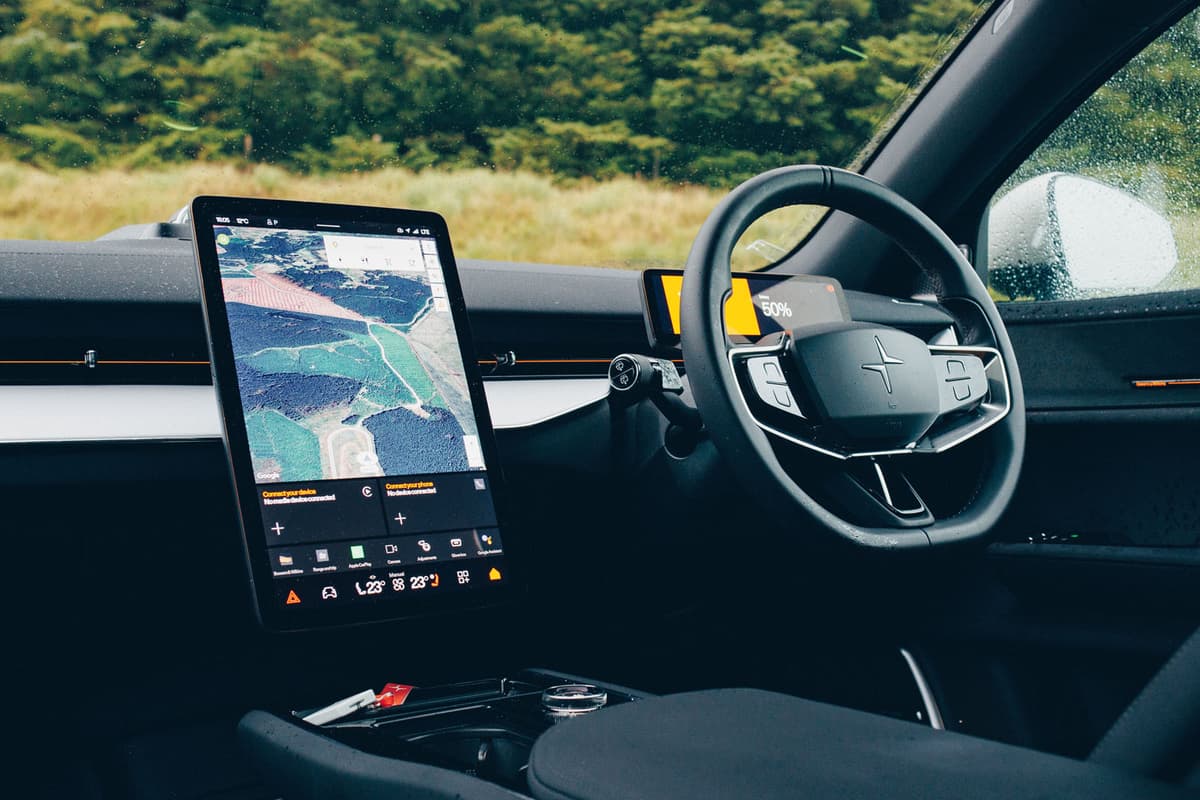
Polestar "Will Do Buttons" As It Tunes Into Owner Feedback
Companies Mentioned
Why It Matters
The move signals a broader industry shift toward safer, driver‑focused interiors and shows how EV makers can accelerate product improvement through direct customer feedback loops. It strengthens Polestar’s competitive edge by aligning design with real‑world user needs.
Key Takeaways
- •Polestar will add physical buttons to Polestar 3 steering wheel 2025
- •New buttons aim to reduce driver distraction from touchscreens
- •CEO cites 60,000‑member owner community guiding design changes
- •Over‑the‑air updates will fix digital‑key proximity issue by 2026
- •Four new models slated for launch within next two years
Pulse Analysis
Physical controls are making a comeback in premium electric vehicles as manufacturers reconcile sleek minimalism with practical safety. Drivers often find touch‑only interfaces cumbersome, especially when gloved or distracted, leading to slower reaction times. By reinstating tactile buttons on the Polestar 3’s steering wheel, the brand not only addresses a vocal customer demand but also aligns with emerging safety guidelines that favor haptic feedback for critical functions such as cruise control and lane‑keeping.
Polestar’s advantage lies in its direct‑to‑consumer sales model and a robust online community of roughly 60,000 owners. This close feedback loop enables rapid identification of software bugs—exemplified by the digital‑key proximity issue—and swift deployment of over‑the‑air fixes, a capability that traditional automakers lack. The company’s promise to integrate these fixes into the 2026 model year underscores a commitment to quality that can boost brand loyalty and reduce warranty costs in a competitive EV market.
Looking ahead, Polestar’s upcoming lineup—including the 5 GT, 4 estate, 7 crossover and a next‑generation 2 sedan—will inherit the button‑first philosophy while refining its advanced driver‑assist systems. Prioritising intuitive ADAS functionality over ambitious autonomy levels reflects a pragmatic approach to consumer readiness. If executed well, these moves could differentiate Polestar as a user‑centric EV brand, attracting buyers who value both cutting‑edge technology and everyday usability.
Polestar "will do buttons" as it tunes into owner feedback
Comments
Want to join the conversation?
Loading comments...