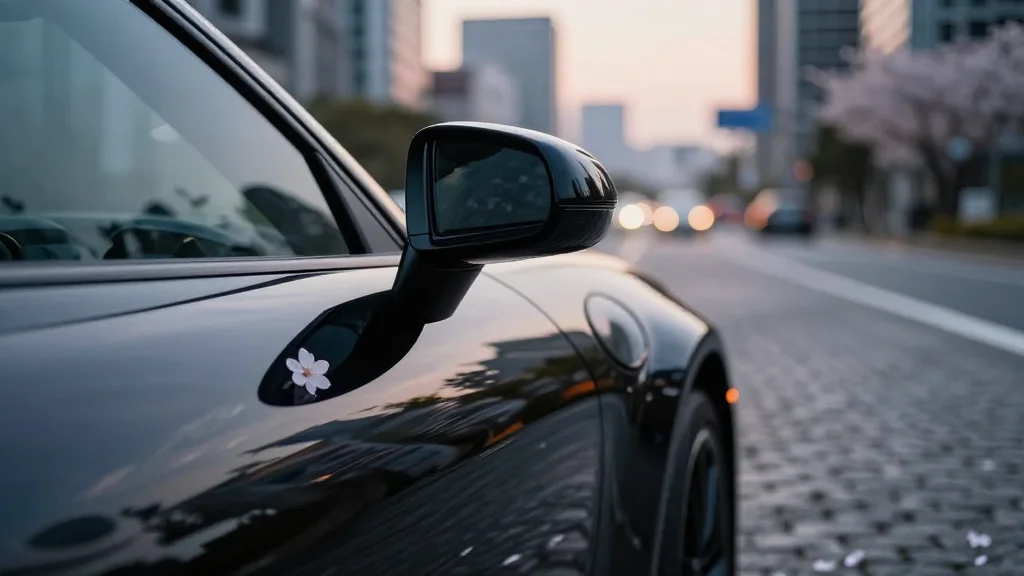
Porsche Unveils Type 7 Guide to Tokyo, Expanding Luxury Lifestyle Content

Companies Mentioned
Why It Matters
The launch of Porsche’s Type 7 Guide to Tokyo illustrates how luxury automotive brands are expanding beyond vehicles to become holistic lifestyle curators. By translating its design DNA into a travel format, Porsche taps into a high‑spending demographic that values exclusive experiences, reinforcing brand loyalty and opening new revenue streams. The guide also signals a shift in luxury marketing, where physical, limited‑edition products serve as status symbols and deepen consumer engagement. Furthermore, the initiative highlights the growing convergence of automotive and hospitality sectors, as brands seek to own more of the luxury consumer journey—from the road to the hotel room. Porsche’s success could prompt rivals to launch similar editorial ventures, intensifying competition in the premium travel space and reshaping how luxury brands communicate value beyond product performance.
Key Takeaways
- •Porsche launches the Type 7 Guide to Tokyo, sold via Complex as a limited‑run collector’s item.
- •Guide developed with local experts Peter Sayn‑Wittgenstein and Yurina Roche.
- •Organized into five pillars—Eat, Drink, Rest, Shop, Architecture—targeting design‑focused travelers.
- •Highlights luxury hotels Aman Tokyo and Park Hyatt, plus hidden sushi spots in Tsukiji’s outer market.
- •First step in Porsche’s broader lifestyle strategy, with potential future city guides planned.
Pulse Analysis
Porsche’s foray into travel publishing is a calculated extension of its brand equity into the experiential domain. Historically, luxury carmakers have relied on sponsorships and events to associate their vehicles with high‑end lifestyles. By creating a physical guide, Porsche bypasses the fleeting nature of digital content and offers a tactile artifact that reinforces its premium positioning. The guide’s thematic structure mirrors the brand’s own product segmentation—performance, comfort, design—making the travel experience an extension of the driving experience.
From a market perspective, the move aligns with a broader diversification trend among automakers seeking to mitigate the volatility of vehicle sales amid shifting consumer preferences and regulatory pressures. Luxury brands are increasingly leveraging their heritage and design language to launch ancillary products, from fashion lines to hospitality concepts. Porsche’s guide could serve as a prototype for a subscription‑based travel service, where curated itineraries are refreshed annually, generating recurring revenue and deeper data on consumer preferences.
Looking ahead, the success of the Tokyo guide will likely dictate the pace and scale of Porsche’s editorial expansion. If the limited run sells out quickly, it will validate demand for high‑touch, brand‑aligned travel content and may accelerate the rollout of guides for other global design capitals. Conversely, tepid sales could signal that luxury consumers prefer experiential services over static publications. Either outcome will inform Porsche’s strategic decisions on how far to extend its lifestyle ecosystem, potentially reshaping the competitive dynamics between automotive manufacturers and traditional luxury travel publishers.
Porsche Unveils Type 7 Guide to Tokyo, Expanding Luxury Lifestyle Content
Comments
Want to join the conversation?
Loading comments...