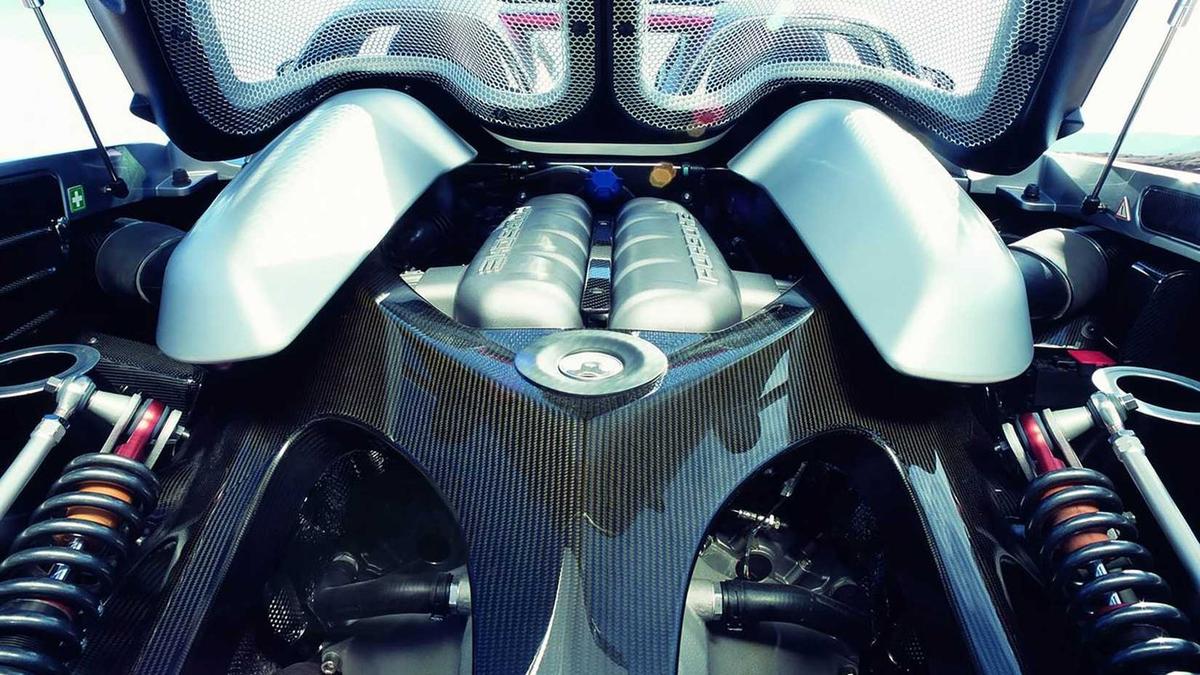
Porsche’s New Hybrid Engine Concept Is Clever, but Is It Feasible?
Key Takeaways
- •Porsche patents a flat engine with separate efficiency and performance cylinder banks
- •Efficient bank uses ceramic bearings and low friction for generator mode
- •Performance bank features variable valve timing and compression for sport mode
- •Concept aims to blend EV driving with on‑demand ICE power
- •Potential challenges include added weight, complexity, and higher production cost
Pulse Analysis
Porsche’s newly disclosed patent sketches a flat‑four engine split into two specialized cylinder banks—a low‑friction, efficiency‑focused side and a high‑output, variable‑compression side. By deactivating one bank while the other either powers the wheels or acts as a generator, the system promises seamless transition between pure electric drive and internal‑combustion assistance. This architecture echoes the brand’s historic boxer‑engine heritage while borrowing concepts from range‑extender hybrids such as the BMW i3 REx, yet it pushes the envelope by assigning distinct performance roles to each bank rather than merely shutting cylinders off.
From an engineering standpoint the idea faces steep hurdles. Adding a second bank of cylinders, ceramic bearings and variable‑compression hardware inevitably raises vehicle mass and packaging complexity, potentially eroding the efficiency gains sought in generator mode. Thermal management becomes critical when one bank runs continuously as a charger, demanding robust cooling without compromising the performance bank’s high‑rev characteristics. Moreover, meeting stringent CO₂ limits in key markets may require the engine to operate at near‑optimal points, a tall order for a dual‑mode system that must satisfy both low‑speed cruising and track‑ready output.
If Porsche can resolve those obstacles, the concept could reshape the performance‑luxury segment. Drivers would enjoy an EV‑like silent launch and zero‑emission cruising, while retaining the brand’s signature roar on demand, a compelling proposition for jurisdictions that still favor internal‑combustion power. The technology may also influence competitors, prompting a wave of “dual‑character” hybrids that prioritize efficiency without sacrificing sport credentials. Ultimately, the patent signals Porsche’s commitment to preserving its performance DNA in an increasingly electrified future, even if commercial rollout remains several years away.
Porsche’s new hybrid engine concept is clever, but is it feasible?
Comments
Want to join the conversation?