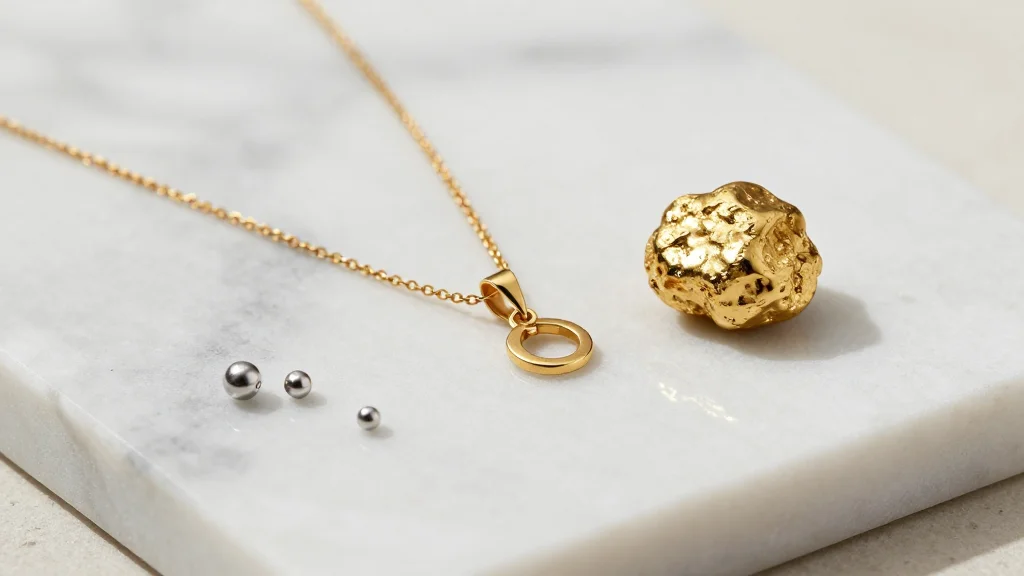
Recycled Gold Reflects Shifting Values for Jewellers and Buyers
Why It Matters
Recycling programmes let retailers mitigate rising gold costs while appealing to eco‑conscious consumers, creating a new revenue stream and strengthening brand loyalty.
Key Takeaways
- •Lylie's Gold Exchange credits up to $3,000 for high‑carat pieces
- •Monica Vinader's recycling programme grew 30% amid rising gold prices
- •Customers receive discounts but pay less than spot metal price
- •Transparent valuation builds trust in recycled‑metal credits
- •Circular jewellery attracts sustainability‑focused buyers and offsets higher retail costs
Pulse Analysis
The jewellery sector is witnessing a rapid pivot toward circularity, driven by two converging forces: soaring precious‑metal prices and heightened consumer demand for sustainable luxury. As spot gold climbs above $2,000 per ounce, both retailers and shoppers seek ways to soften price shocks. Recycling programmes, such as Lylie's Gold Exchange, convert unwanted pieces into credit, effectively turning personal assets into a hedge against market volatility while reducing the need for new mining. This shift also aligns with broader ESG expectations, positioning brands that champion material reuse as forward‑thinking and responsible.
From a business perspective, the credit‑for‑metal model creates a dual benefit. First, it generates a low‑cost supply of refined gold, platinum or silver, sidestepping the premium attached to newly mined ore. Second, it offers consumers a tangible discount on new purchases, typically below the spot price after accounting for processing costs. Brands like Monica Vinader and Minka Jewels have built transparent valuation processes—photographic documentation, weight verification, and real‑time price references—to foster trust. By embedding these schemes into the retail journey, jewellers differentiate themselves, attract sustainability‑minded clientele, and open an ancillary revenue channel through resale or bespoke redesign.
Looking ahead, the durability of the recycling trend will hinge on whether it evolves beyond a price‑driven response. If manufacturers continue to invest in refining infrastructure and standardise credit calculations, circular jewellery could become a permanent fixture of the market, reducing landfill waste and reinforcing the perceived value of precious metals. However, should gold prices stabilise, the incentive for mass recycling may wane, leaving brands to rely on the narrative appeal and the emotional connection of re‑imagined heirlooms. For now, the emerging ecosystem of take‑back programmes signals a meaningful re‑orientation of both supply chains and consumer psychology in the luxury accessories space.
Recycled gold reflects shifting values for jewellers and buyers
Comments
Want to join the conversation?
Loading comments...