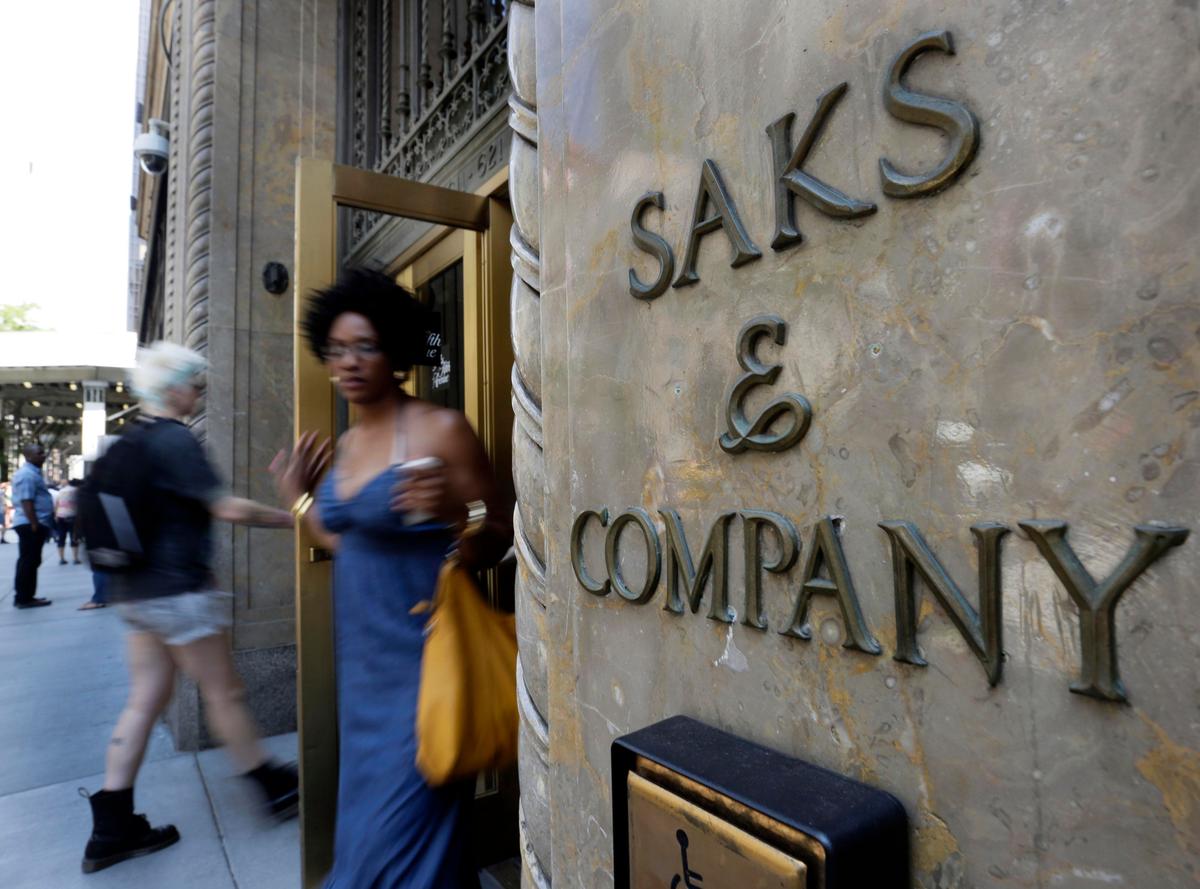
Saks May Exit Bankruptcy. Success Is The Next Question.
Why It Matters
The outcome will determine whether iconic luxury department stores can survive a shifting consumer landscape and deliver value to investors, while reshaping the high‑end retail model.
Key Takeaways
- •Saks plans 13 flagship, 12 off‑price, 32 Neiman, 1 Bergdorf stores.
- •Pentwater Capital and FFI Fund to control up to 60% equity.
- •New CEO van Raemdonck aims to restore brand relationships.
- •Reduced footprint aims to cut costs and focus inventory.
- •Success hinges on creative risk‑taking amid shifting luxury consumer habits.
Pulse Analysis
Saks Global Enterprises received court clearance on May 1 to present its Chapter 11 reorganization plan to creditors. The proposal would trim the luxury retailer’s footprint to 13 Saks Fifth Avenue flagship stores, 12 Saks OFF 5TH locations, 32 Neiman Marcus boutiques and a single Bergdorf Goodman shop. In exchange for converting their debt into equity, distressed‑debt investors Pentwater Capital Management and FFI Fund are expected to own roughly 55‑60 % of the reorganized company. The reduced store base lowers fixed costs and gives the new entity a clearer path to profitability.
Geoffroy van Raemdonck, former Neiman Marcus chief executive, now leads the combined luxury group. He has already repaired strained relationships with key designers and re‑established inventory flows that were stalled under previous management. With fewer stores to staff, the company can concentrate buying power on high‑margin categories and experiment with curated assortments that reflect current fashion cycles. However, the department‑store model still demands a delicate balance between risk‑averse merchandising and bold, trend‑setting selections—a balance that only a supportive ownership board can truly enable.
The broader luxury sector is moving toward direct‑to‑consumer channels, where brands capture higher margins and data insights. While AI‑driven assortment planning promises efficiency, it cannot yet replace the nuanced taste‑making role of seasoned buyers that luxury shoppers expect. Distressed investors like Pentwater and FFI bring capital and real‑estate assets, offering a safety net if the retail strategy falters. Should Saks, Neiman Marcus and Bergdorf Goodman revive relevance through experiential stores and selective brand collaborations, the turnaround could become a benchmark for restructuring high‑end retail. Failure, however, would reinforce the narrative that traditional department stores are losing their foothold in a digital‑first world.
Saks May Exit Bankruptcy. Success Is The Next Question.
Comments
Want to join the conversation?
Loading comments...